For nearly forty years, buying a Windows laptop meant making a binary choice: Intel or AMD. It was a comfortable, predictable, and frankly boring status quo. But at Computex in Taipei, Jensen Huang walked onstage in his signature leather jacket and threw a hand grenade directly into the PC market.
We aren’t talking about another incremental graphics card update. Enter the Nvidia RTX Spark Superchip—a high-silicon marvel co-developed with MediaTek that aims to break the x86 stranglehold on consumer computing once and for all. By marrying advanced ARM cores with Blackwell graphics architecture, Nvidia is promising to bring data-center-level muscle directly into your backpack.
1. The Computex Shockwave: Jensen’s Big Play
When Nvidia does something, they don’t do it quietly. Jensen Huang used the backdrop of Computex in Taipei to announce that the company is officially moving past the graphics card slot. By partnering with MediaTek and adopting Microsoft’s Windows for ARM, Nvidia is building its own complete brain for personal computers.
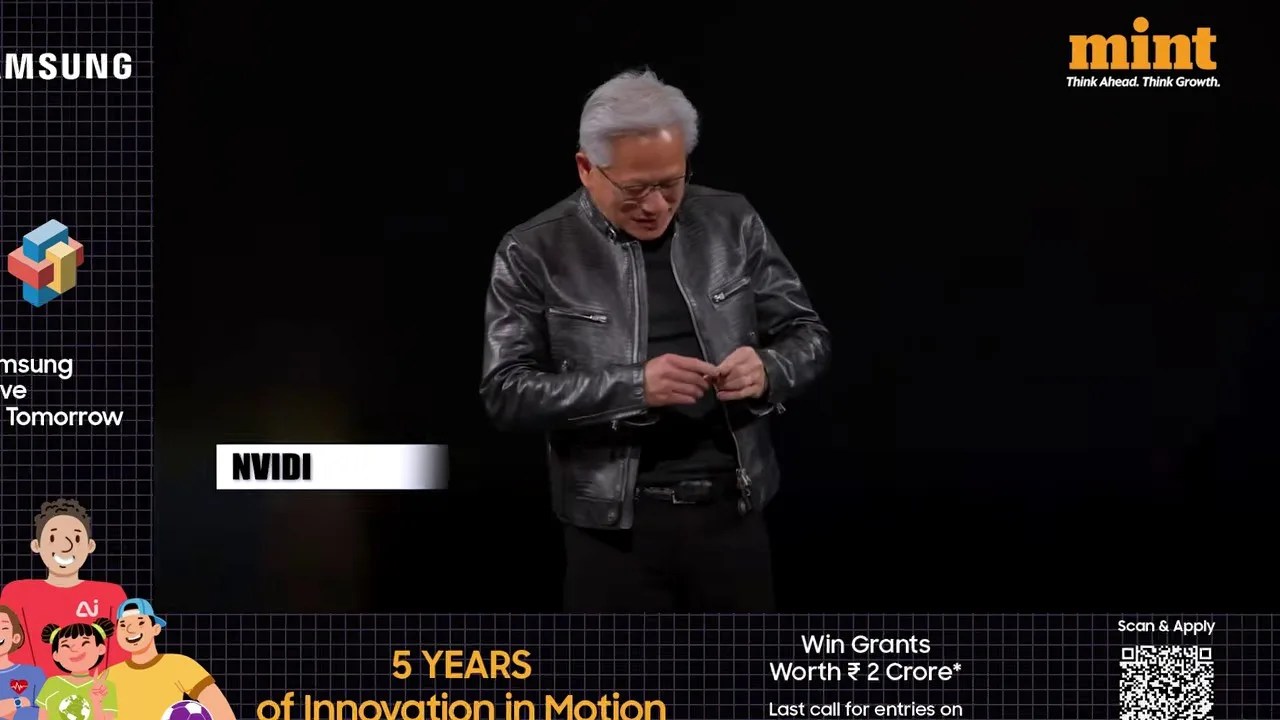
CEO Jensen Huang reveals the silicon that could fundamentally reshape the PC industry.
This fall, both Dell Technologies and Lenovo will debut premium laptops powered by this new silicon. For years, Qualcomm has tried—and largely failed—to make Windows on ARM a mainstream reality. But Nvidia is entering this race not as a hungry underdog, but as the world’s most dominant silicon designer.
2. Inside the Beast: The Architecture of Spark
The Technical Architecture of the Nvidia RTX Spark Superchip
Let’s talk specs. The chip isn’t a minor tweak to an existing mobile processor. It is a massive, unified design fabricated on TSMC’s cutting-edge 3-nanometer process—the same high-end node Apple uses for its elite M-series silicon.
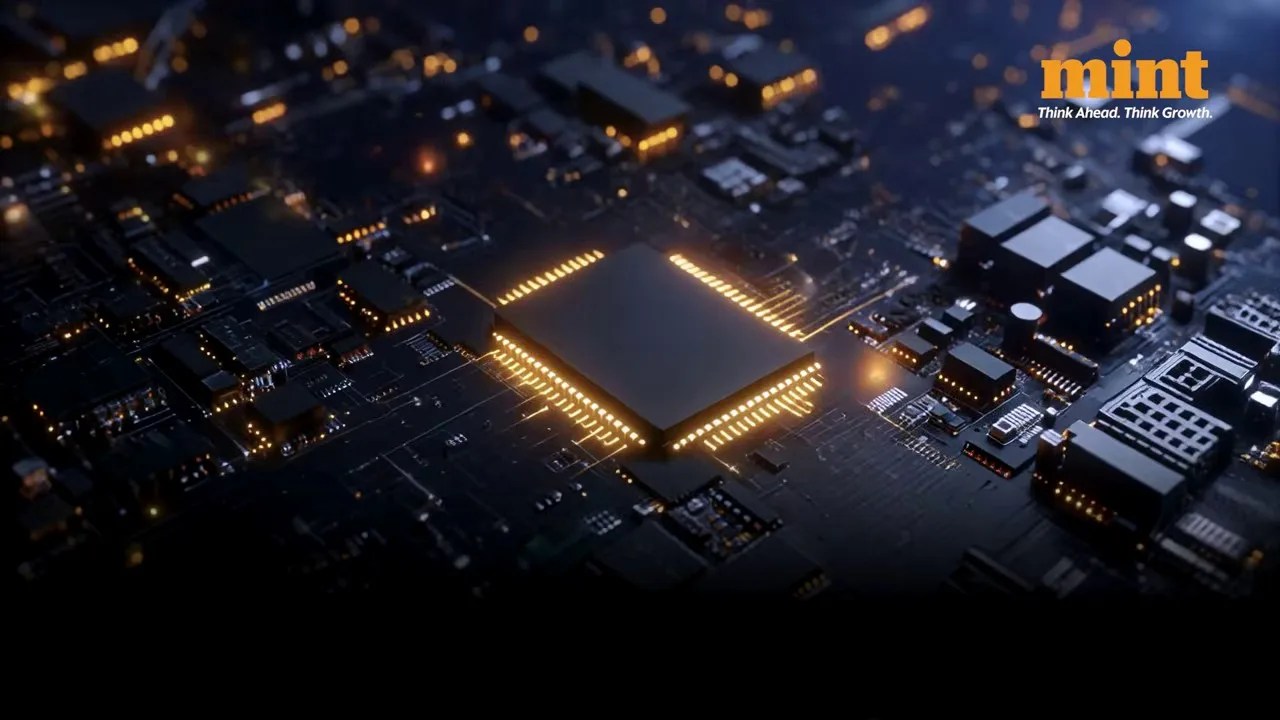
Under the hood: A unified layout connecting a 20-core CPU directly with Blackwell graphics.
By packing a highly efficient CPU boasting up to 20 computing cores alongside a Blackwell-generation GPU featuring 6,144 cores, Nvidia is offering unprecedented graphics capability. But the real magic lies in how these parts talk to each other. Instead of relying on bottlenecked traditional PCIe buses, Nvidia ported its proprietary NVLink interface straight from its multi-million dollar AI data centers into this consumer chip. The CPU and GPU share memory pool resources natively, allowing local execution of AI workloads that would paralyze standard laptops.
3. Money as a Weapon: Why This Time is Different
Veteran tech watchers will remember that Nvidia tried to break into the PC processor space over a decade ago with Tegra, an effort that ultimately fizzled. Why should we believe this time will be any different?
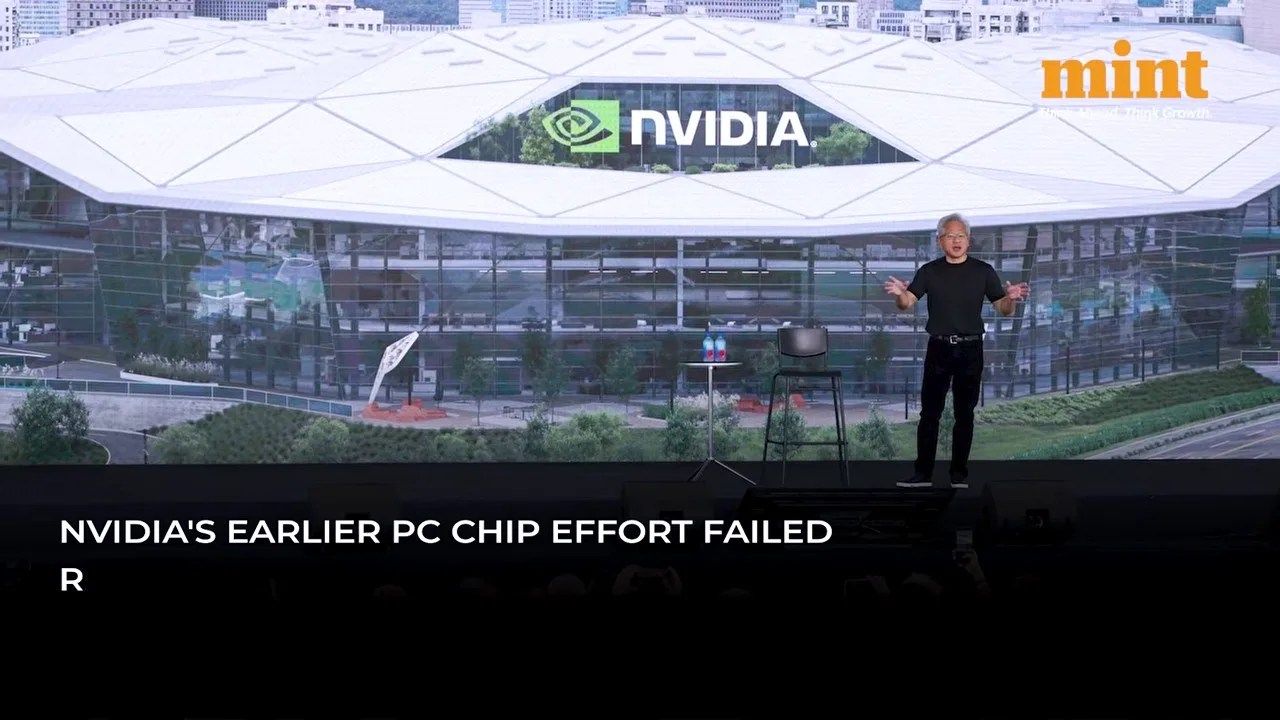
The shift in financial gravity: Nvidia’s latest quarterly numbers rival its competitors’ entire annual revenue.
The answer is sheer, unadulterated financial muscle. In its most recent fiscal quarter, Nvidia generated roughly the same revenue that Intel and AMD brought in combined over an entire year. Nvidia has transformed into a trillion-dollar powerhouse. They can spend more on research, software integration, and developer incentives than any player in the ecosystem. This isn’t a risky gamble for Nvidia; it’s a calculated deployment of overwhelming force.
4. Local AI: The End of Cloud Dependency?
Let’s be real: nobody is buying a premium ARM-based PC just to browse the web or edit spreadsheets. The killer app for this decade is artificial intelligence, and Nvidia is building the ultimate sandbox for it.
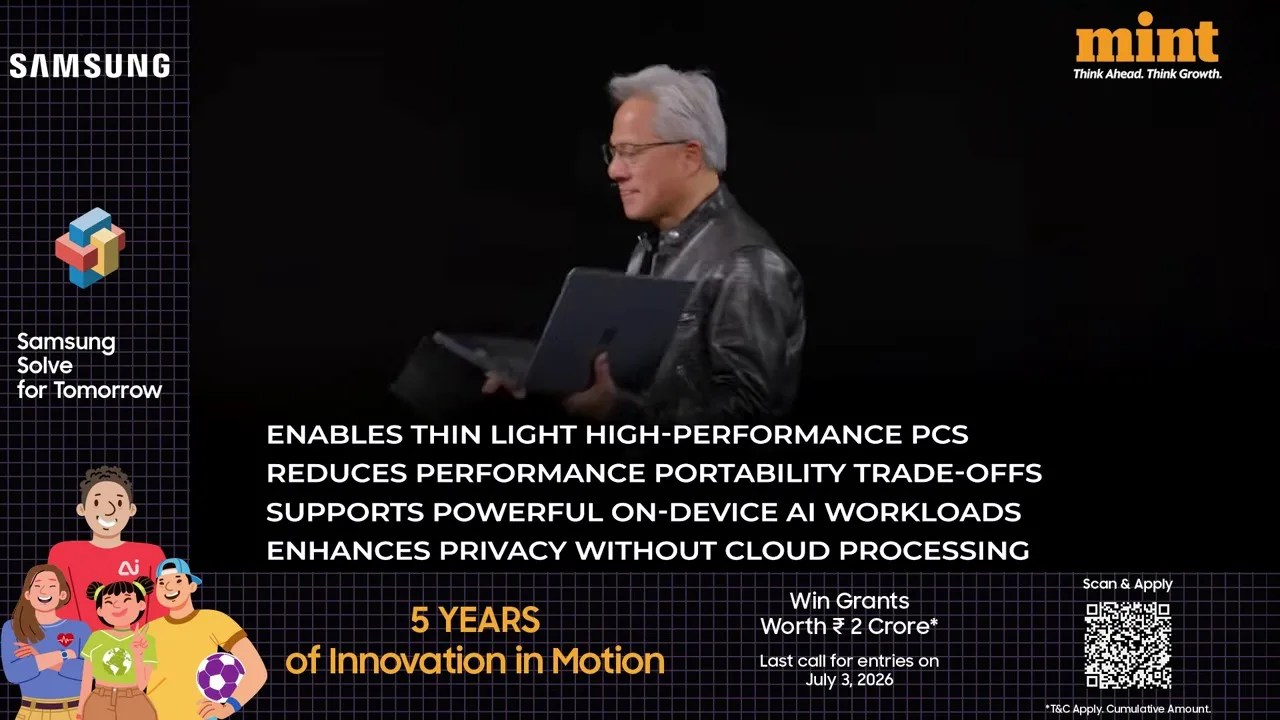
Instant results: Local AI processing means zero cloud latency for creative tools like Photoshop.
By moving the processing workload out of distant data centers and directly onto the local hardware, the Nvidia RTX Spark Superchip eliminates latency and privacy concerns. Adobe Photoshop is already being optimized to respond to advanced generative AI prompts natively on Nvidia’s architecture. Complex tasks—like scanning thousands of emails to summarize your day, debug complex codebases, or run intensive AAA game titles—happen instantly without uploading a single byte of personal data to the cloud.
5. The ARM Compatibility Curse: Can Nvidia Break It?
Despite the excitement, there is a massive elephant in the room: software compatibility. The x86 instruction set used by Intel and AMD has been the bedrock of Windows software development for decades.
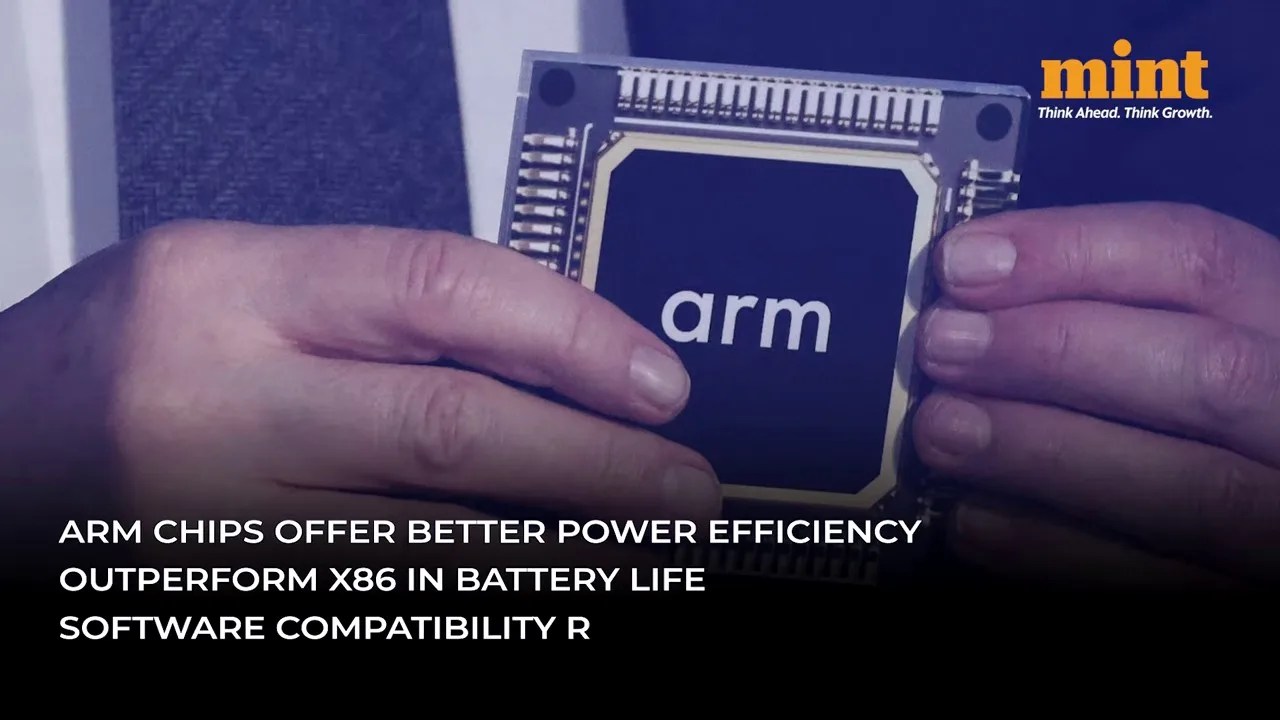
The classic trade-off: Exceptional efficiency meets the brutal reality of software emulation taxes.
ARM chips are incredibly power-efficient, allowing for thin, fanless laptops with stellar battery life. But when they try to run traditional x86 Windows apps, they must translate the code on the fly. This “emulation tax” can tank performance.
To prevent this, Nvidia claims they have been working closely with Microsoft for years, preparing the Windows ecosystem for the arrival of this chip. This deep, multi-year software integration is exactly what Qualcomm lacked during its early Snapdragon PC pushes. Nvidia isn’t just selling silicon; they are trying to rebuild the entire Windows platform from the ground up.
6. The Skeptic’s Verdict: Can Nvidia Win This War?
Let’s take a breath and step back from the hype cycle. The Nvidia RTX Spark Superchip looks incredible on paper, but success is far from guaranteed.
First, Nvidia is explicitly targeting the premium luxury market. These laptops are going to be expensive, meaning x86 will continue to dominate the high-volume budget space. Second, we have yet to see independent, real-world benchmarks. Can this chip actually outrun Intel’s upcoming Lunar Lake or AMD’s Strix Point architectures while maintaining all-day battery life?
Furthermore, Qualcomm has a massive head start in enterprise relationships, having pitched its Snapdragon Elite chips to IT departments for over a year. Nvidia has the money, the silicon IP, and the brand cachet—but changing the fundamental architecture of the PC world is an uphill battle. One thing is certain, though: the boring era of the Windows PC is officially dead.