Let’s stop pretending the current AI trajectory is sustainable. Right now, Big Tech is locked in a frantic arms race, throwing hundreds of billions of dollars at a problem that might not even exist in five years. We are bulldozing forests, draining local aquifers, and literally resurrecting mothballed nuclear plants just to feed the insatiable electricity hunger of traditional silicon-based supercomputers.
But what if I told you we are trying to solve a pure math problem with a brute-force power plant when we could be solving it with better math? This is where the concept of quantum assisted AI shifts from a futuristic dream into an immediate, grid-saving reality.
A peer-reviewed study published in the prestigious journal Science recently revealed a staggering truth: a quantum computer successfully tackled an incredibly complex optimization problem in minutes, drawing a mere 12 kilowatts of power—about what it takes to run a few suburban homes. To run that exact same problem, Oak Ridge National Laboratory’s Frontier, one of the world’s most powerful classical supercomputers, would have needed nearly a million years and more energy than our entire planet consumes in a year. Yet, almost nobody building AI infrastructure today is acting like this happened.
The Mind-Blowing Math: 12 Kilowatts vs. A Million Years
The gap between classical silicon and quantum efficiency isn’t incremental; it is an intellectual chasm. When we look at the raw data, the sheer inefficiency of traditional supercomputing becomes painfully obvious.
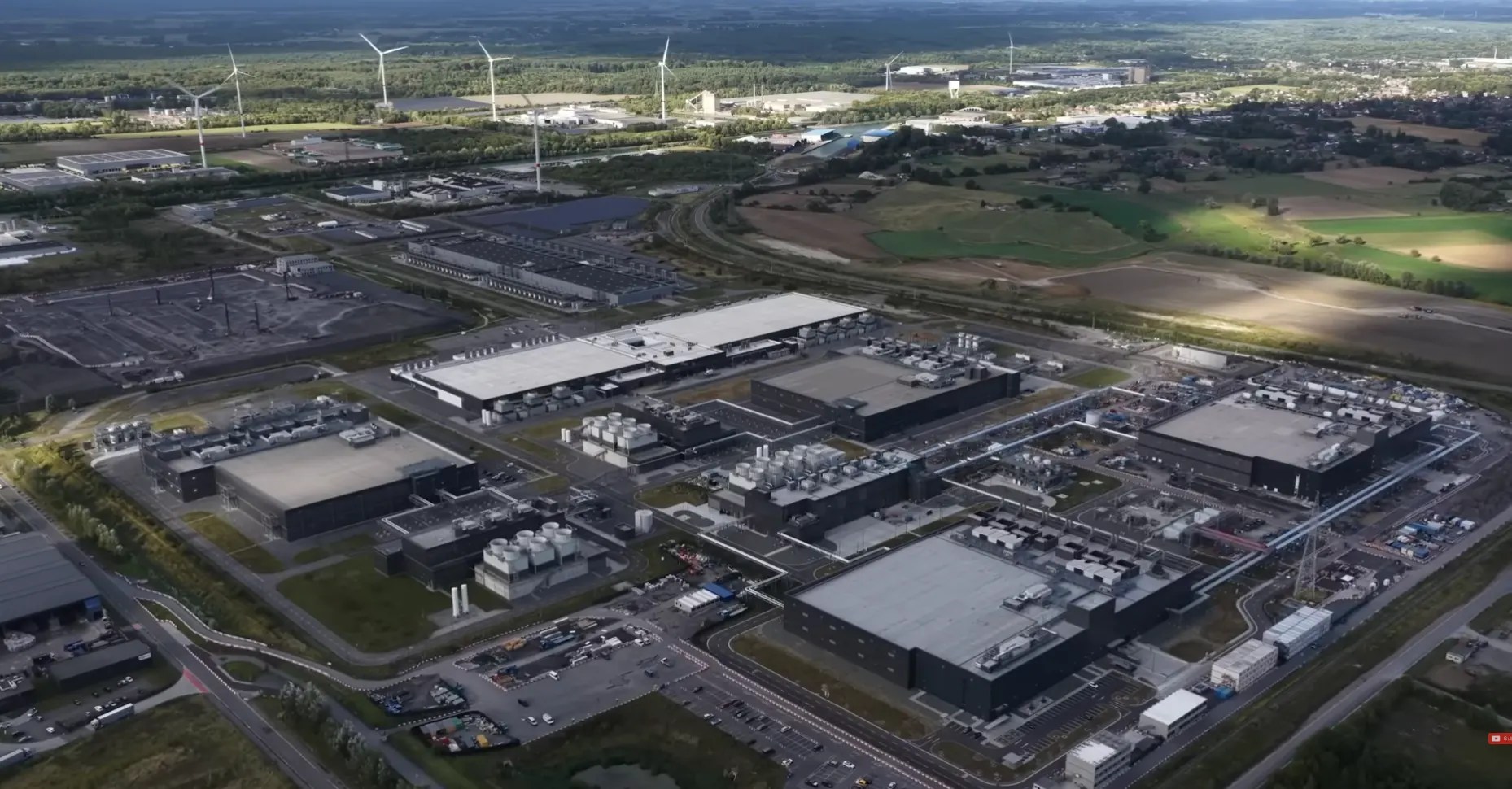
Figure 1: The stark contrast in resource consumption between classical supercomputing and quantum efficiency.
As illustrated in the data above, the peer-reviewed results show that while classical supercomputers scale exponentially in time and energy when faced with highly complex, multi-variable calculations, quantum systems slice through them almost instantly. The 12kW benchmark isn’t a theoretical projection—it is a documented reality. Yet, the tech giants are ignoring the math, choosing instead to double down on outdated infrastructure.
The Impending Power Grid Collapse: Restarting Nuclear Plants to Feed the Beast
The grid timing we are facing is brutal. AI demand is exploding right now, but building new energy infrastructure takes a decade or more. This mismatch is forcing tech giants into desperate, environmentally damaging compromises.
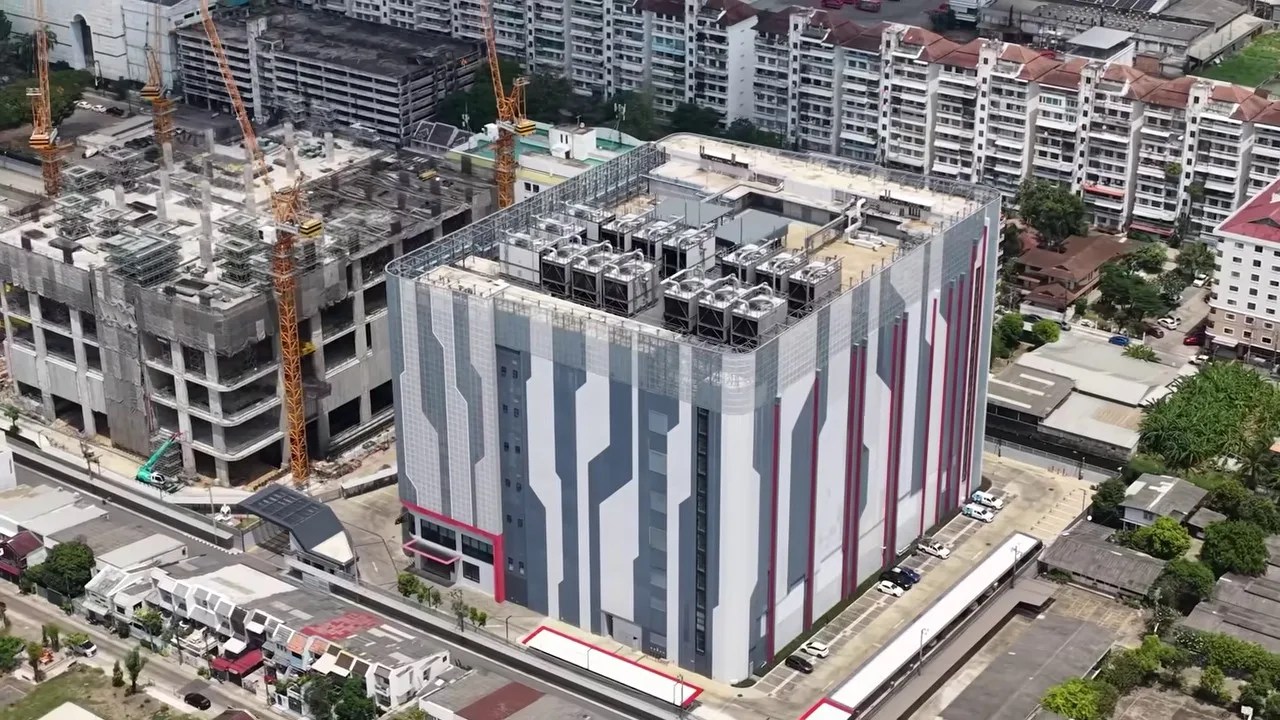
Figure 2: Projecting the massive surge of US electricity demand consumed by AI data centers through 2030.
By 2030, AI data centers are projected to devour between 9% and 17% of all US electricity. To keep these facilities cool, local towns are losing precious groundwater. To keep them powered, companies are taking extreme measures:
- Microsoft is reviving the infamous Three Mile Island nuclear plant (rebranded as the Crane Clean Energy Center), targeting a 2028 restart solely to power its data centers.
- Meta is planning its 5-gigawatt Hyperion campus in Louisiana, backed by 10 brand-new gas plants at a projected cost of $200 billion.
- Many are banking on Small Modular Reactors (SMRs), but Stanford research reveals a dirty secret: SMRs actually produce significantly more highly radioactive waste than full-scale nuclear plants, and the US still has no federal plan for where to store it.
This isn’t an anti-AI stance; it is an anti-stupidity stance. We are building the equivalent of coal-fired engines to run calculations that could be handled elegantly by quantum-classical hybrid systems.
| Metric | Classical Supercomputing (e.g., Frontier) | Quantum Computing (Annealing / Hybrid) |
|---|---|---|
| Power Consumption | Megawatts to Gigawatts (Requires dedicated power plants) | Kilowatts (~12 kW for specific optimization workloads) |
| Time to Solve Complex Math | Up to thousands/millions of years for complex optimization | Minutes |
| Environmental Impact | High carbon footprint, massive water cooling usage | Minimal footprint, localized cooling |
| Primary Use Case | Pattern recognition, raw data processing, LLM training | Complex optimization, routing, scheduling, drug discovery |
The Quantum Duo: Annealing vs. Gate Model
To understand how we escape this energy trap, we have to demystify quantum technology. It is not a monolith. There are two primary paradigms that serve entirely different functions.
Figure 3: Understanding the two main branches of quantum technology: Annealing and the Gate Model.
Here is the crucial distinction:
- Quantum Annealing: Designed specifically to find the single best answer to messy, real-world optimization problems (e.g., routing, scheduling, financial modeling, molecular structures). It is commercially viable and running today.
- Gate Model: The longer-term, general-purpose quantum computer. This is the machine that will eventually crack modern encryption, but it is still years away from widespread commercial scale.
The core insight that most tech analysts miss is that AI and quantum are not competitors. AI is brilliant at finding patterns in massive, messy piles of data. Quantum is brilliant at finding the absolute best action to take based on those patterns. When you stack them together, you get a highly efficient, intelligent system that doesn’t require a dedicated nuclear reactor to run.
Real-World Proof: Who is Already Winning the Quantum Era?
If you think quantum computing is still a decade away, you are already falling behind. Forward-thinking enterprises are already integrating quantum annealing into their active pipelines to achieve superior results with a fraction of the energy.

Figure 4: Real-world business applications proving the immediate value of quantum-classical integration.
Consider these three live, operational examples:
- Japan Tobacco: Their pharmaceutical division ran a proof-of-concept with D-Wave, using quantum annealing to train a generative drug discovery model. The quantum-assisted version successfully produced more valid, drug-like molecules than the classical-only model—using significantly lower energy.
- Forschungszentrum Jülich: This German research giant purchased a D-Wave annealing computer and is actively coupling it with JUPITER, Europe’s first exascale supercomputer, creating the world’s first true hybrid exascale-quantum stack.
- GE Vernova: They are using quantum systems today to identify weaknesses in the electrical grid and optimize rapid responses to potential physical or cyber attacks. Ironically, quantum is protecting the very grid that brute-force AI is straining.
The Hybrid Stack: Why Quantum Assisted AI is the Ultimate Playbook
If you are building, investing, or planning in the AI space right now, you need to shift your strategy from “more compute” to “better math.” The future does not belong to those who build the biggest data centers; it belongs to those who build the smartest stacks.
Figure 5: The modern quantum cloud ecosystem enabling instant hybrid deployment.
Here are the three strategic plays you should execute immediately:
- Leverage the Quantum Cloud: You do not need to buy, house, or maintain a multi-million dollar quantum refrigerator. Platforms like D-Wave Leap, AWS Braket, and Azure Quantum give your developers instant, API-driven access to quantum hardware today.
- Adopt the Hybrid Blueprint: Within the next five years, pure classical AI infrastructure is going to look as outdated and dirty as coal. Start designing your AI pipelines so that heavy optimization and scheduling tasks are offloaded to quantum annealers.
- Track Policy and Funding: Keep a close eye on the National Quantum Initiative Reauthorization Act. This legislation extends federal quantum funding through 2034, locking in the capital and coordination needed to scale these hybrid systems.
The AI energy crisis is not a resource problem; it is a design problem. We don’t need to dry up our aquifers and rebuild nuclear plants to power brute-force algorithms. We need to embrace the hybrid stack, integrate quantum assisted AI, and start solving our hardest problems with elegant math instead of raw power.
Frequently Asked Questions
1. Is quantum computing actually ready to replace classical AI servers today?
No, quantum is not a drop-in replacement for classical servers. Instead, they work best in a hybrid configuration. Classical systems handle data ingestion and pattern recognition, while quantum processors (specifically quantum annealers) handle the highly complex math and optimization calculations at a fraction of the energy cost.
2. How can my business start using quantum assisted AI without a massive budget?
You don’t need to purchase quantum hardware. Cloud-based quantum platforms like D-Wave Leap, AWS Braket, and Azure Quantum allow you to rent quantum computing time via standard APIs. You can easily integrate these quantum calls directly into your existing classical software pipelines.
3. Why are tech giants still building massive data centers if quantum is so efficient?
Large tech companies are locked in a legacy infrastructure cycle, having already committed hundreds of billions of dollars to silicon-based chips (like GPUs). Additionally, building gate-model quantum computers at a massive scale is still technically challenging, leading many short-term planners to rely on familiar, brute-force silicon methods despite their extreme energy inefficiency.