Let’s be honest with ourselves: we are secretly getting tired of the LLM benchmark wars. Every single week, another tech giant drops a model claiming to beat GPT-4 by 0.2% on some obscure academic test. Yet, when we actually try to deploy these “groundbreaking” models into real-world production, the same old nightmares return. The agent hallucinates, drops crucial context, loops infinitely on simple errors, or confidently attempts to delete a database table.
The truth that nobody in Silicon Valley wants to admit out loud is that raw model intelligence is no longer the primary bottleneck. The gold rush has officially shifted. It is no longer about building a bigger brain; it is about building a better cage, a sharper set of tools, and a more resilient environment for that brain to operate in. Industry insiders are calling this critical shift Harness Engineering.
In this deep dive, we are going to explore why the smartest engineering teams are moving away from brute-force prompting and instead focusing on the invisible scaffolding that makes AI actually work. It turns out that the exact same model can become up to six times more effective just by changing the system around it. Let’s break down how this works and why it is redefining the entire AI landscape.
1. Redefining the Stack: What is a “Harness”?
To understand why this is a game-changer, we need to throw out the old mental model of AI. For the past few years, we treated the Large Language Model as the entire product. We typed a prompt, got an answer, and marvelled at the magic. But in a professional software or enterprise environment, that magic is incredibly fragile.

Figure 1: The paradigm shift from model-centric development to Harness Engineering.
Think of the AI model as a high-performance racing engine. By itself, an engine is just a loud, vibrating block of metal sitting on a garage floor. It cannot steer, it cannot brake, it has no fuel line, and it has no dashboard. To make that engine useful, you need to build a car around it.
In the world of AI, that car is the harness.
The harness is everything that wraps around the raw intelligence engine to turn its chaotic next-token predictions into reliable, predictable, and safe work. This includes:
- Rigid Rules & Guardrails: Defining what the model absolutely cannot do.
- Tool & API Integrations: Giving the model hands to interact with the digital world.
- Memory Systems: Storing past actions and states so the agent doesn’t forget what it did five seconds ago.
- Verification & Feedback Loops: Double-checking the model’s output before it executes.
- Permissions & Governance: Making sure the AI doesn’t access files or databases it shouldn’t touch.
When you look at it this way, the model is merely a component. The harness is the actual system.
2. The Mitchell Hashimoto Philosophy: System-Level Fixes over Infinite Prompts
The term “harness engineering” gained massive traction in early 2026, thanks in large part to Mitchell Hashimoto, the co-founder of HashiCorp and the creator of industry-standard tools like Terraform. Hashimoto has spent his career building highly reliable systems for complex infrastructure, so his entry into the AI space brought a much-needed dose of engineering discipline.
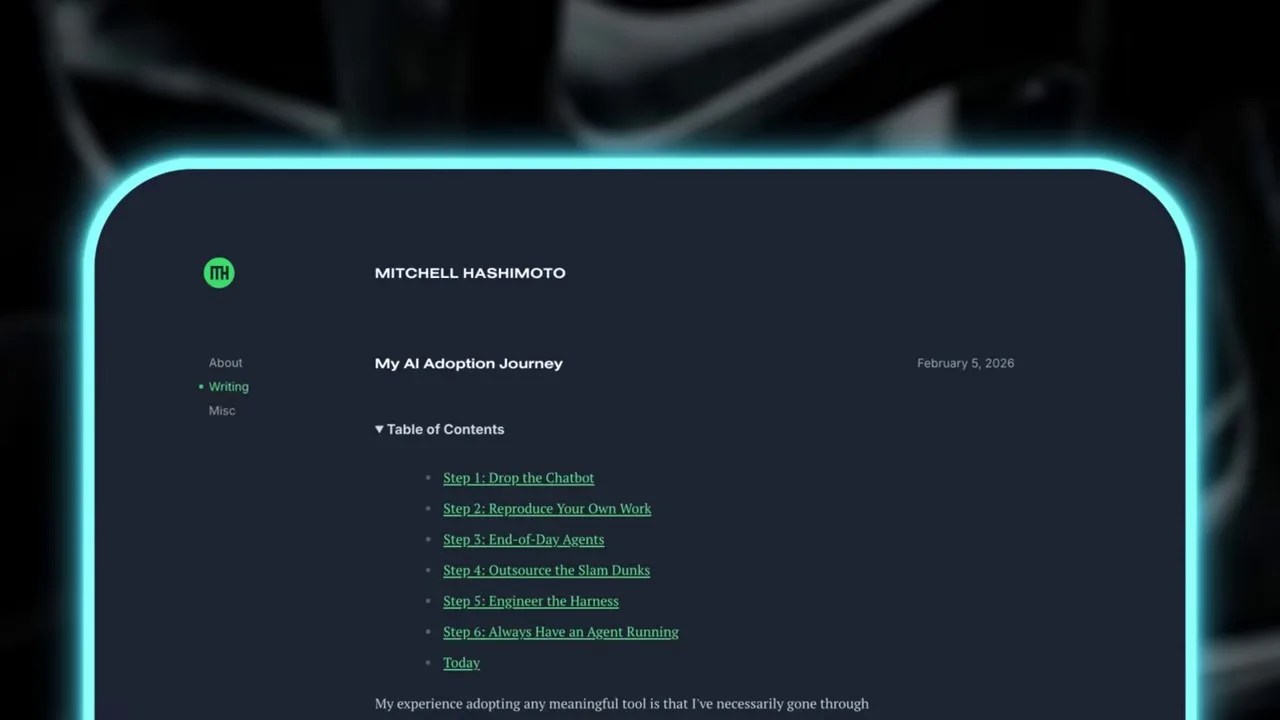
Figure 3: Mitchell Hashimoto’s core philosophy on fixing systems rather than patching prompts.
Hashimoto pointed out a fundamental flaw in how most developers currently handle AI mistakes. When an AI agent fails, the typical developer reaction is to tweak the prompt, hit “run” again, and hope for the best. This is the software engineering equivalent of hitting a broken television and hoping the picture clears up. It is not repeatable, it is not scalable, and it is certainly not professional engineering.
Instead, Hashimoto argued that we must focus on system-level fixes. If an agent makes a mistake, we shouldn’t just ask it to try harder. We need to modify the harness so that entire class of mistakes becomes structurally impossible to repeat.
This systematic approach is exactly how top-tier organizations are scaling their AI operations. Take OpenAI, for instance. In a fascinating look behind the curtain, OpenAI detailed how they managed massive code generation workflows over a five-month period.
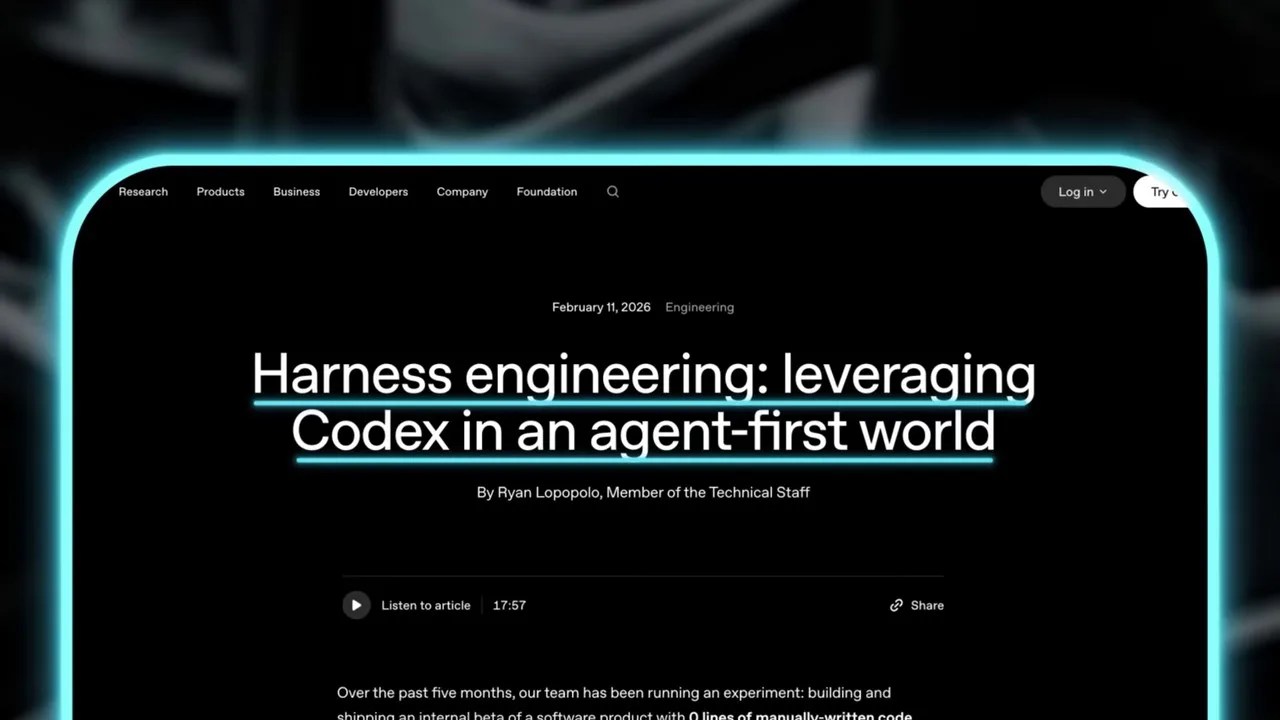
Figure 4: The sheer scale of OpenAI’s automated code generation experiment.
Processing over 1 million lines of code and handling roughly 1,500 pull requests is not something you do by manually typing prompts. It requires a highly sophisticated environment where the human’s job is no longer to write the code directly, but to design, monitor, and continuously tune the harness that guides the AI agent.
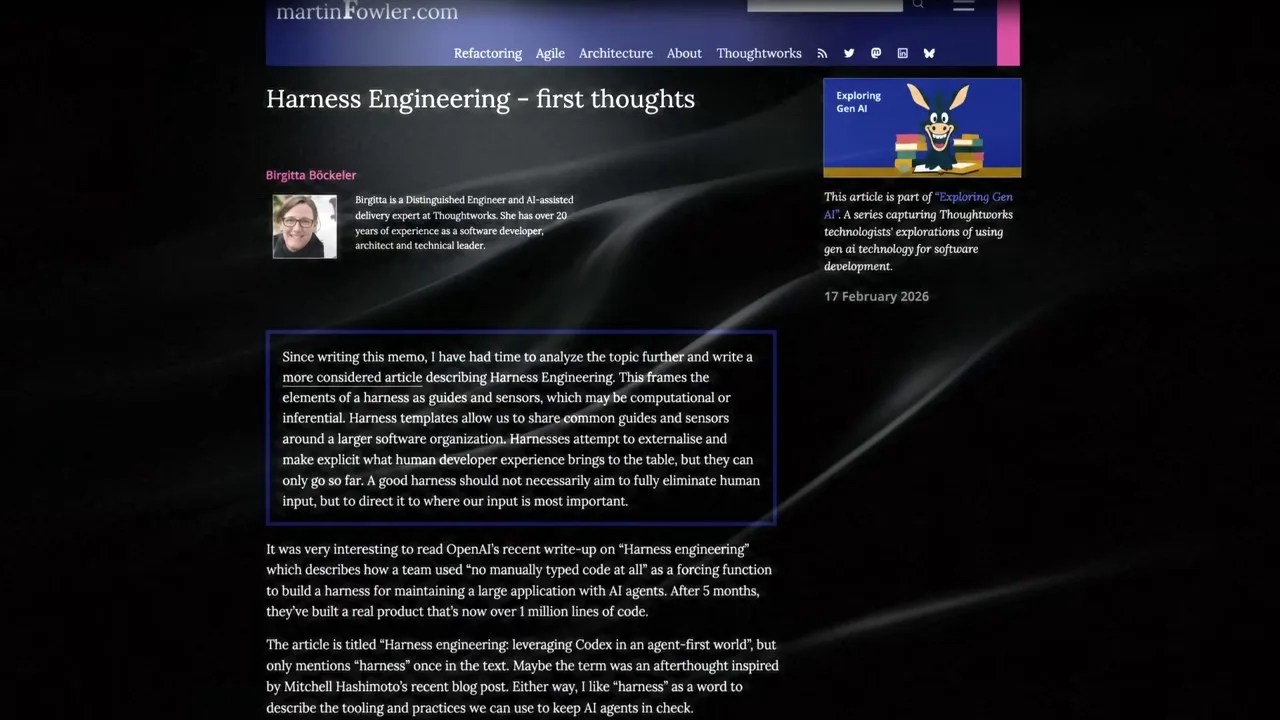
Figure 5: Industry giants like Anthropic and software pioneers like Martin Fowler are aligning around structured safety layers and robust frameworks.
Whether it is Martin Fowler’s structured engineering frameworks or Anthropic’s practical focus on safety layers and guardrails, the consensus is clear: the era of the “prompt cowboy” is drawing to a close. The era of the system engineer has begun.
3. The Anatomy of Work: Prompting vs. Context vs. Harness
To build a great system, we first need to clear up some terminology. People often use “prompting,” “context window management,” and “system building” interchangeably. They are not the same. To write clean, maintainable AI systems, we must draw clear boundaries between these three layers of work.
Let’s map out exactly how these layers differ:
| Layer of Work | Primary Action | What You Are Changing | Example |
|---|---|---|---|
| Prompt Work | Modifying the words | The direct instructions read by the model | Adding “Be concise” or “Think step-by-step” to the system prompt. |
| Context Work | Modifying the data | The specific information fed into the context window | Implementing RAG (Retrieval-Augmented Generation) to pull relevant PDF text. |
| Harness Work | Modifying the environment | The invisible structures, tools, permissions, and error recovery paths | Setting up an automated unit-test runner that feeds error logs back to the LLM when its code fails. |
As you can see, a tool like an MCP (Model Context Protocol) server or a vector database is not the harness by itself. Those are merely components—the raw materials. The harness is the fully integrated system that coordinates how these components talk to one another, when the model is allowed to call them, and how the system recovers when a tool returns an unexpected error.

Figure 7: Prompt Engineering focuses on the single interaction, while Harness Engineering builds a sustainable, self-correcting environment.
4. The 6x Performance Variance & The Enterprise Adoption Paradox
Is all this extra engineering work actually worth it? Why not just wait for GPT-5 or Claude 4 to solve these problems out of the box?
The answer lies in a groundbreaking joint study by Stanford and Tsinghua University. Researchers set out to test a fascinating hypothesis: what happens if you keep the exact same model but run it through different harness designs?
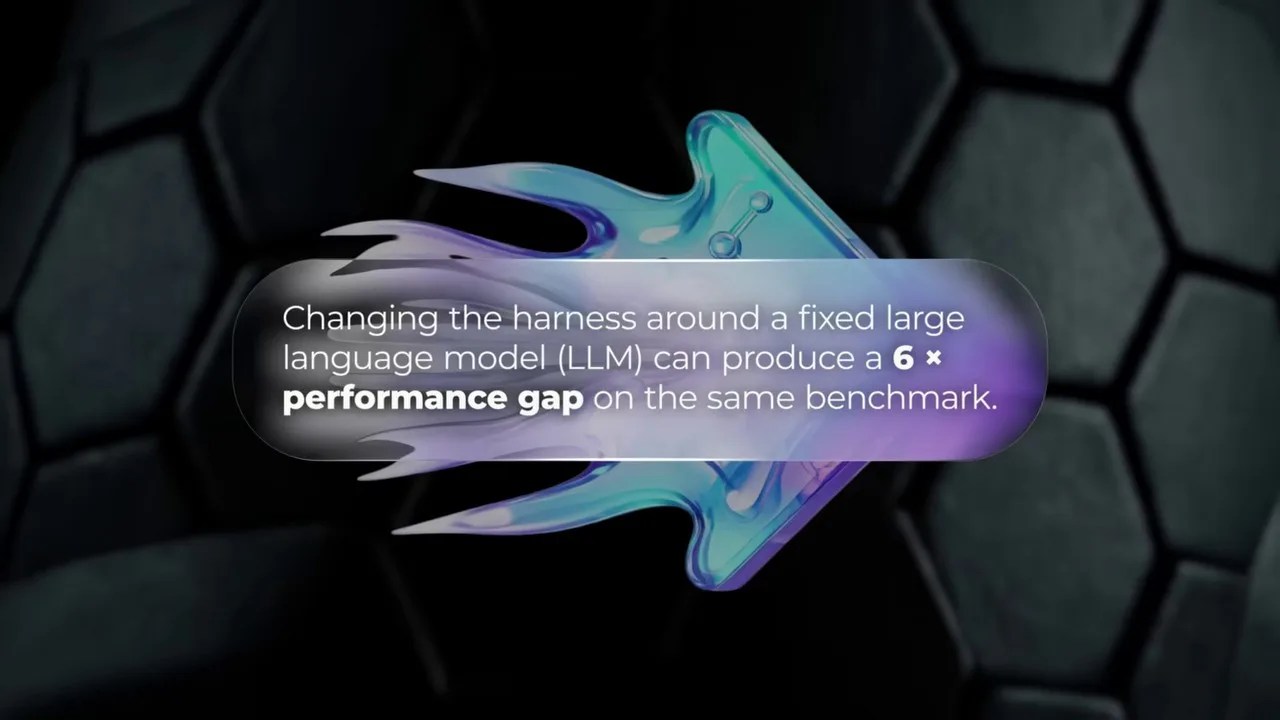
Figure 8: Stanford and Tsinghua University research reveals a massive 6x performance variance based purely on system scaffolding.
The results were staggering. Without changing a single parameter of the underlying model, the performance of the AI agent varied by **up to six times** depending entirely on the surrounding scaffold.
This is a profound realization. It means that as frontier models inevitably become commoditized—with OpenAI, Google, Anthropic, and open-source alternatives like Llama converging on similar raw capabilities—the ultimate competitive advantage will not belong to the company with the “best” model. It will belong to the team that builds the most sophisticated harness around those models.
This dynamic also perfectly explains the bizarre paradox we are currently seeing in the global economy.

Figure 9: The massive gap between macroeconomic AI hype and actual enterprise adoption.
Back in early 2023, Goldman Sachs released a wildly optimistic report arguing that generative AI could increase global GDP by 7% (nearly $7 trillion) over a decade. Yet, a year later, their data showed that only 4% of US firms had actually adopted generative AI in production. Even in information services, where adoption should be easiest, the number was a modest 16%.
Why this massive bottleneck? It isn’t because companies lack access to APIs. Anyone with a credit card can access Claude 3.5 Sonnet or GPT-4o. The bottleneck is that enterprises do not have the internal system layers—the harnesses—required to turn raw AI capability into reliable, repeatable, and compliant productivity.
A raw LLM is incredibly fragile. It works beautifully for a quick demo, but it crumbles when plugged into a complex enterprise workflow that requires strict database permissions, audit logs, and deterministic error handling.
5. The Agentic Blueprint: Why UC Berkeley is Championing System Scaling
This structural fragility becomes hyper-apparent when we transition from basic chatbots to true Agentic AI.

Figure 10: Chatbots stop at answers; agents must execute complex, multi-step, real-world actions.
A chatbot is simple: you ask a question, it outputs text, and the interaction ends. But an agent must live and operate over time. To solve a real-world task, an agent might need to open a terminal, search through thousands of legacy files, read outdated documentation, write code, run a test suite, analyze the error logs, call external APIs, update a database, and safely deploy the fix to a staging environment.
Once you unleash an AI model into this kind of environment, its success is no longer determined by its next-token prediction accuracy alone. It is determined by the system design.
Figure 11: UC Berkeley research highlights the shift from Model Scaling to System Scaling.
A recent paper from UC Berkeley makes this case brilliantly. The researchers argue that for agentic AI, “model scaling” (simply throwing more compute and parameters at the LLM) is hitting a wall of diminishing returns. The true bottleneck has officially shifted to System Scaling (or scaling the harness).
To build a truly reliable agent, UC Berkeley outlines six critical layers that must work in perfect harmony:
- The LLM (The Reasoning Engine): The core processor that understands language and logic.
- Memory: The database that allows the agent to recall past decisions, user preferences, and historical attempts across different sessions.
- Context System: The filter that intelligently curates exactly what information is fed to the model, preventing it from getting overwhelmed.
- Skill Routing: The dispatcher that helps the agent select the absolute best tool, API, or sub-workflow for a given sub-task.
- Orchestration Loop: The state machine that controls the sequence of execution, ensuring the agent doesn’t get stuck in infinite loops.
- Verification & Governance: The ultimate safety layer. This is where human-in-the-loop approvals, permission checks, structured logs, and rollback paths live, ensuring the agent cannot execute a catastrophic or unauthorized command.
This is not just academic theory. This architecture is actively being built right now in cutting-edge developer tools like Claude Code and other advanced agentic frameworks. But as these systems scale, they immediately run into a massive, silent killer of agent performance: the limits of context windows and the phenomenon of “context rot.”
6. The Context Paradox: Fighting “Context Rot” with Ruthless Compaction
There is a dangerous lie circulating in the AI community: “The bigger the context window, the better the agent.” We see models boasting 1-million, 2-million, or even larger token limits. But in practice, dumping an entire codebase or database into a massive context window is an engineering disaster.
This is where we run into a structural bottleneck known as context rot.
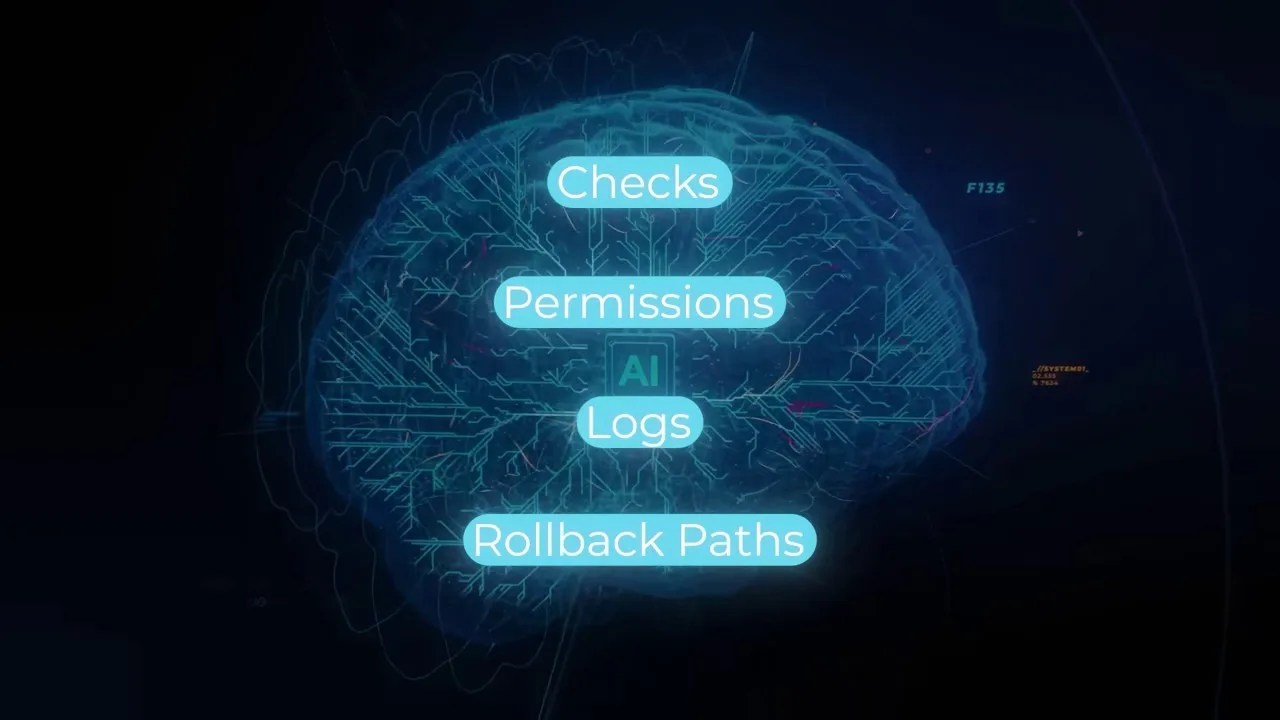
Figure 13: How critical signals get drowned in noise as context windows expand without proper filtering.
Just because a model can process a million tokens does not mean it can find the needle in that massive haystack. When an agent is bombarded with ancient server logs, stale developer notes, irrelevant files, and conflicting variable definitions, the critical signal gets completely drowned in noise. The model becomes slow, expensive to run, and highly prone to hallucination.
To combat this, a modern harness must implement aggressive, multi-tier compaction. For example, recent analyses of Claude Code reveal a highly sophisticated 5-tier compaction system designed to keep the context window incredibly clean.
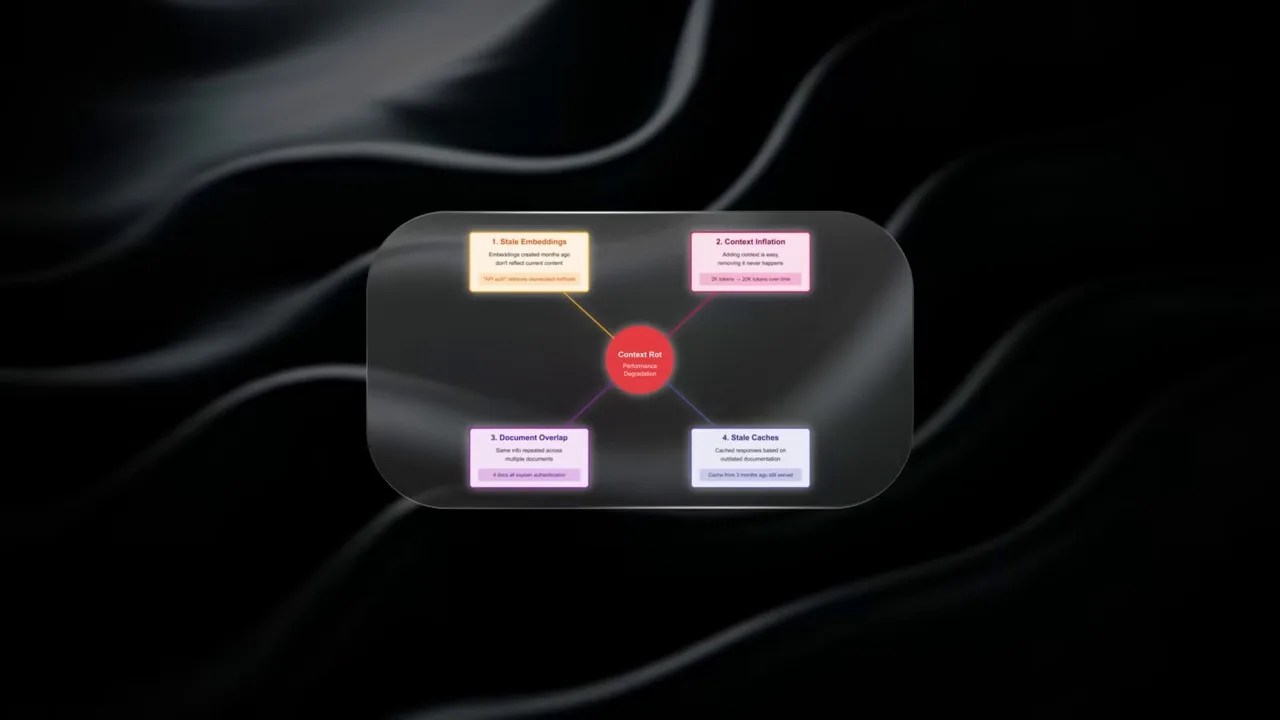
Figure 14: Claude Code’s multi-layered approach to maintaining a lean context window.
Instead of letting historical data pile up, the harness uses techniques like “micro-compacting” to instantly clean up old tool execution results. When a conversation gets too long, it triggers “context collapse,” summarizing the historical exchange into a dense, high-level overview while discarding the raw, repetitive text.
Furthermore, if an agent calls a tool that outputs a massive 500MB server log, a poorly designed system would crash or burn through thousands of dollars of API credits by feeding that entire log to the LLM. A robust harness, however, behaves like a human developer.

Figure 15: Smart agents analyze previews first, rather than ingesting raw, massive log dumps.
The harness writes the massive raw file to a local disk, extracts a lightweight 8KB preview, and hands only that preview to the model. The agent inspects the top of the log, diagnoses the general shape of the error, and requests specific deeper reads only when absolutely necessary. This is the difference between brute-force prompting and real system engineering.
7. The Memory Trap: “Stale but Confident” Agents
Giving an AI agent a persistent memory file (like a memory.md or a vector database of past actions) sounds like an obvious upgrade. But in a fast-moving production environment, unmanaged memory quickly becomes a liability.
This leads directly to what researchers call the “stale but confident” memory problem.

Figure 16: The danger of agents relying on outdated, cached memories instead of real-time environmental checks.
Imagine an agent that remembers a specific architectural rule from a codebase update three weeks ago. Yesterday, a human engineer completely refactored that system. If the agent relies blindly on its memory, it will confidently apply outdated fixes to the new code, breaking the build. Because the memory is stored in its internal database, the agent treats it as absolute truth.
To prevent this, a resilient harness must treat memory with deep suspicion. Memory should never be treated as a source of truth; it should be treated merely as a hint.
Before executing any destructive or high-risk action, the harness must force the agent to query the live environment, verify that its assumptions match reality, and self-correct on the fly. Advanced harnesses even perform background memory garbage collection during idle times—reconciling contradictions, compressing key takeaways, and purging outdated data so the agent’s brain doesn’t slowly fill with digital clutter.
8. Skill Orchestration: Connecting Tools to Verification Checks
As we build out our agents, the temptation is to give them as many tools and skills as possible. We want them to write code, call APIs, run SQL queries, and edit local files. But the more skills you give an agent, the harder it becomes for the model to choose the right tool at the right time.
Even worse, a specialized tool can easily return an output that looks incredibly polished and correct, but is fundamentally wrong or misaligned with the user’s intent.

Figure 17: A robust harness wraps every tool execution in a strict verification loop.
This is why Harness Engineering is so intensely practical. A professional-grade system does not simply hand tools to an LLM and hope for the best. It wraps every single tool call in a strict verification loop:
- Did the task actually complete successfully, or did it fail silently?
- Did the output format strictly match what was requested?
- Is the agent authorized to make this specific change in this environment?
- Did the tool execution introduce any unintended side effects?
By shifting the burden of verification from the model’s internal reasoning to the external harness, we drastically reduce the chance of catastrophic failure.
9. The Self-Evolving Harness: Retrospective Harness Optimization (RHO)
If building and maintaining these complex harnesses sounds like a massive amount of manual engineering work, you are right. Writing rules, managing memory, and designing verification checks for every edge case is incredibly time-consuming.
This raises an exciting question: Can AI agents learn to optimize their own harnesses from experience?
A groundbreaking research paper from Microsoft Research Asia and the City University of Hong Kong suggests the answer is a resounding yes. They introduced a framework called Retrospective Harness Optimization (RHO).

Figure 18: The Retrospective Harness Optimization (RHO) framework introduces self-correcting system layers.
The beauty of RHO is that it does not require a human to manually label thousands of correct answers to train the agent. Instead, the system looks back at its own historical work trajectories, analyzes its failures, and dynamically updates its own harness.
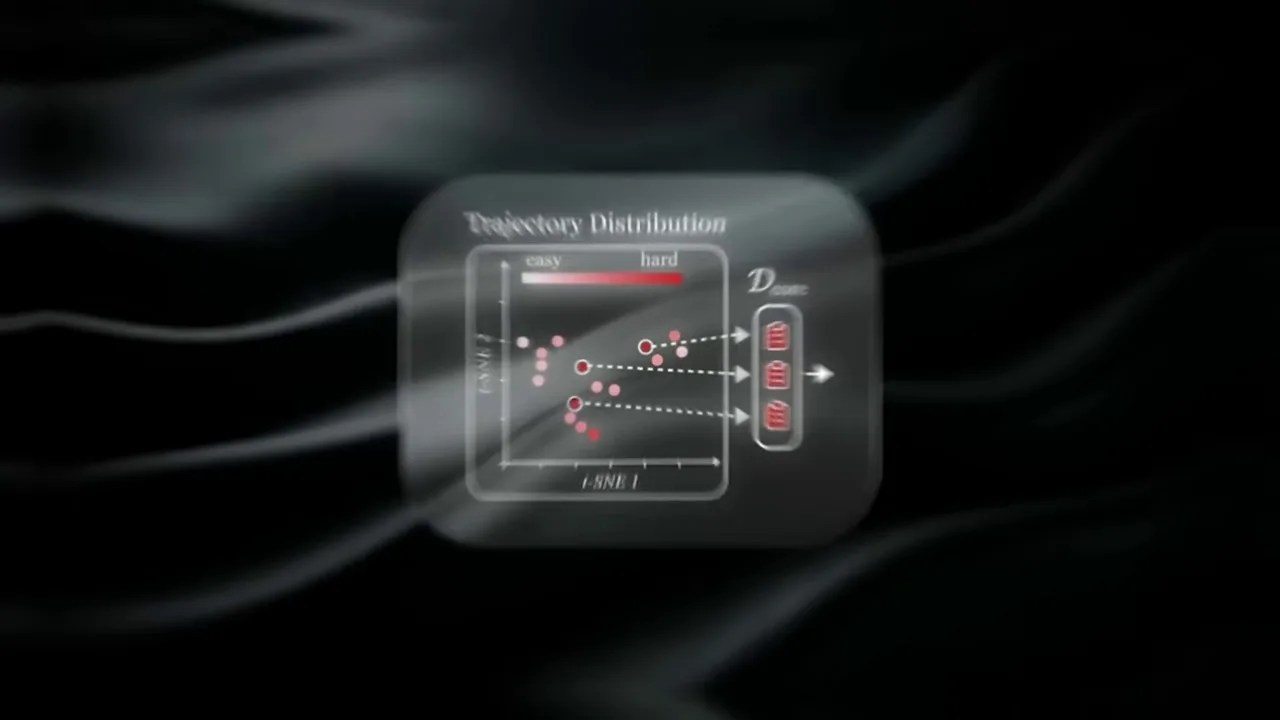
Figure 19: The internal process flow of the RHO optimization loop.
The RHO process operates in a highly structured loop:
- DPP Selection: First, the system uses Determinantal Point Processes (DPP) to select a diverse and challenging set of past tasks. This ensures the system doesn’t overfit to one specific type of error while ignoring others.
- Self-Validation: The agent reviews its own past attempts to identify hidden mistakes, false assumptions, or premature stops.
- Self-Consistency Checks: By comparing different attempts at the same task, the system identifies where its plans or tool selections diverged.
- Harness Updates: Based on these insights, RHO generates candidate updates to the harness (such as new verification rules or tool constraints), tests them, and deploys them only if they show a clear performance boost.
The real-world data behind this approach is impossible to ignore. When evaluated, RHO delivered massive, double-digit performance gains across several industry-standard benchmarks.
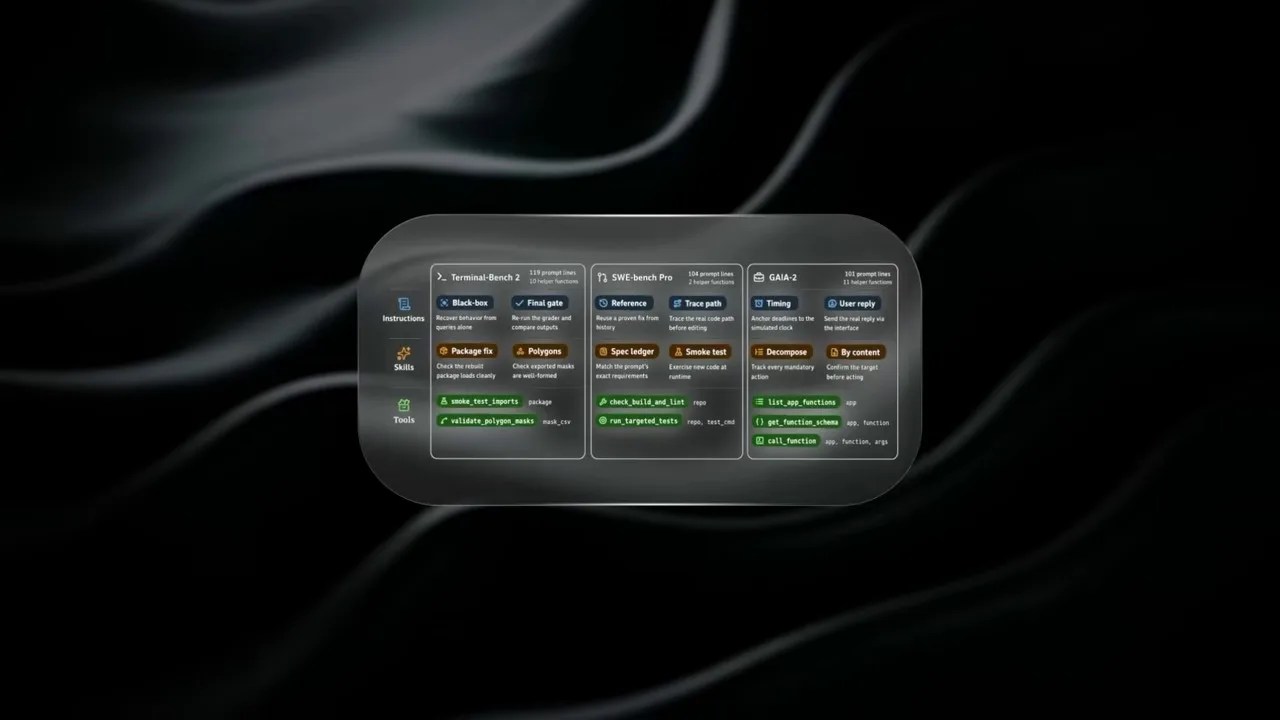
Figure 20: RHO delivers dramatic performance improvements across SWE-bench, TerminalBench, and GAIA.
On SWE-bench Pro, the system boosted success rates from 59% to 78% without any external human grading. Similar leaps were recorded on TerminalBench and GAIA.
By analyzing its own trail of failures, the agent learned to verify its work more frequently, use tools with greater caution, and handle long, complex tasks that normally cause standard agents to fall apart.
The Next Phase of the AI Race
We are moving past the naive era of AI development. The companies that win the next phase of this tech revolution will not be the ones with the largest training clusters or the most parameters. The winners will be the engineers who build the most resilient, self-correcting, and highly optimized environments around these models.
The raw engine is ready. Now, it is time to build the car.
Frequently Asked Questions (FAQ)
1. Is Harness Engineering just a fancy new word for Prompt Engineering?
No. Prompt engineering is about changing the raw text instructions fed directly to the model to get a better one-off response. Harness Engineering is about building the permanent software infrastructure around the model—such as memory management, tool access control, verification loops, and error-recovery paths—so that the agent performs reliably over time without human intervention.
2. Why does a model’s performance vary so much (up to 6x) based on the harness?
Because LLMs are highly sensitive to the context and tools they are given. A poor harness might overwhelm a model with irrelevant data (context rot) or allow it to execute tools blindly. A great harness curates the context, double-checks tool outputs, and gracefully catches errors, allowing the exact same model to execute complex tasks with far fewer failures.
3. What are the main risks of letting an AI optimize its own harness (like in RHO)?
The primary risk is the feedback loop of bad habits. If an agent is allowed to update its own rules and safety constraints based on its own subjective judgments, it could easily reinforce unsafe shortcuts, introduce security vulnerabilities, or create hard-to-debug logic loops. This is why human-in-the-loop auditing and strict governance layers remain mandatory in production systems.