I’m going to skip the sugarcoating: the golden era of cheap, high-end handheld gaming was a beautiful dream, but we just got slapped awake by reality. Valve has quietly hit us where it hurts, announcing a massive Steam Deck OLED price hike that turns our favorite budget powerhouse into a premium luxury. If you were holding out for a price drop, I have some bad news—you waited too long, and the tech landscape is shifting underneath our feet.
But the inflation bug isn’t just biting Valve. From Nvidia burying its Windows XP-era nostalgia to YouTube hunting down deepfakes, and Robinhood trying to let autonomous AI bots swipe your credit card, the tech world is undergoing a massive, sometimes terrifying transformation. Let’s sit down, cut through the marketing noise, and dissect what’s actually happening this week.
1. The Steam Deck OLED Price Hike: The Cold Reality of Silicon Shortages
Let’s look at the damage first. The 512GB Steam Deck OLED has jumped to an eye-watering $789 USD, while the top-tier 1TB variant has vaulted all the way to $950. Yes, you read those numbers correctly. We are staring at a massive price increase that shatters the “affordable console alternative” reputation Valve spent years building. The only silver lining? They are actually in stock and shipping quickly. But at these prices, they kind of have to be, don’t they?
Valve is placing the blame squarely on global memory and storage supply chain constraints. It seems the silicon market is being cannibalized, leaving very little DDR5 and flash storage for consumer electronics. If you think I’m exaggerating, just look at how fast the numbers have shifted on the official storefront:

The new premium reality: Valve’s updated pricing structure makes on-the-go PC gaming a luxury investment.
This Steam Deck OLED price hike isn’t just a temporary bump; it represents a broader structural crisis. Valve has already quietly delayed their highly anticipated upcoming Steam Machine and Steam Frame out of their early 2026 launch windows into a very vague “sometime later.” If the baseline cost of existing hardware is climbing this fast, what does that mean for the next generation? I suspect we are officially entering the “unaffordable everything” era of consumer tech, where subsidized hardware is a luxury developers can no longer sustain.
2. Rest in Peace, Nvidia Control Panel: Saying Goodbye to a Windows XP Legend
If you’ve built a PC anytime in the last two decades, you know the Nvidia Control Panel. It was that glorious, blocky, Windows XP-style interface that refused to change while the GPUs it managed went from rendering basic polygons to fully path-traced cyber-cities. It was clunky, it looked like a relics database, and we loved it because it just worked.
But all good things must end. Nvidia’s latest Game Ready Driver (610.47) officially ships without the legacy Control Panel included. Nvidia is actively nudging every user toward the unified Nvidia App. This new application merges legacy system-level controls with the modern features of GeForce Experience—such as driver updates, display tuning, performance monitoring, and system-wide overclocking.

End of an era: The modern Nvidia App is officially taking over, leaving the iconic 2000s-era UI behind.
Don’t panic just yet. Nvidia isn’t completely nuking the old dashboard for everyone. If you’re on an RTX Pro card, the classic layout remains intact. For the rest of us, if you truly cannot let go of the nostalgia, the classic Control Panel will remain available as a standalone download on the Microsoft Store. It’s like a digital ghost you can summon whenever you miss the year 2004.
3. YouTube’s Fight Against Synthetic Content: The No-Escape AI Label
We’ve all seen them: the photorealistic AI-generated clips of world leaders doing bizarre things or deepfaked product reviews designed to scam you out of a quick buck. YouTube’s policy of asking creators to “self-disclose” AI usage went down about as well as you’d expect on a platform fueled by clicks and controversy. Nobody was doing it.
Now, YouTube is taking the steering wheel. They are rolling out automated systems that scan uploaded videos and automatically slap an “AI altered” or “Synthetic” label on any photorealistic content that looks a little too real to be human. More importantly, they are moving this label out of the dark corners of the description box and putting it directly below the video player, right where it’s impossible to ignore.

Transparency by force: YouTube is making synthetic content disclaimers highly visible to casual viewers.
Creators will still have the right to dispute false flags via YouTube Studio, but some labels will be permanent. If you use YouTube’s native generative tools like Veo or Dream Screen, or if your file contains synthetic camera metadata, that tag is locked in. Honestly? Good. In a world where reality is becoming increasingly malleable, a little mandatory skepticism is exactly what the internet needs right now.
4. Quick Hits: Apple’s Hinge Hell, Bus Surveillance, and the DuckDuckGo Runaway
Apple’s Foldable iPhone Hits a Quality Control Wall
According to several leaks originating on Weibo, Apple’s long-rumored foldable iPhone is running into severe manufacturing roadblocks. Specifically, the mechanical hinges are reportedly failing Apple’s rigorous quality control metrics under repeated opening and closing cycles. Apple doesn’t ship products that feel cheap, and if they can’t get the display crease and mechanical longevity up to their standards, the only thing folding might be their actual release timeline.
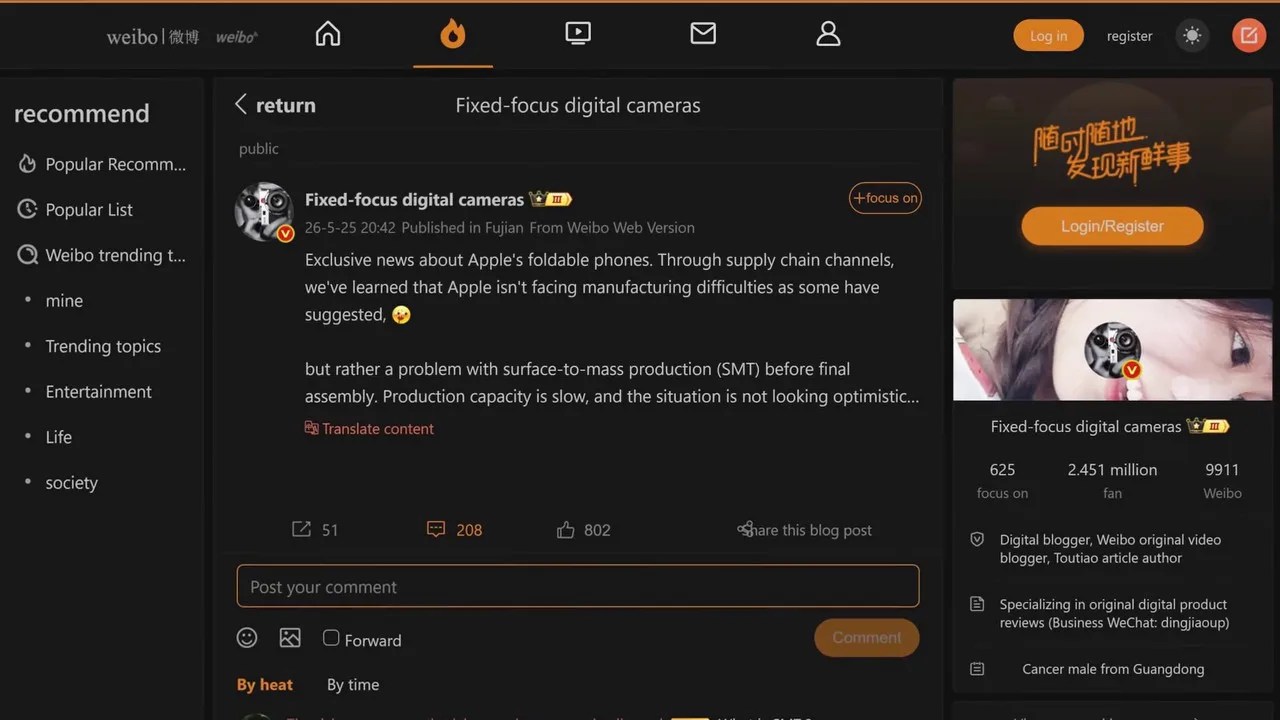
Engineering friction: Apple’s design philosophy is clashing directly with the mechanical realities of flexible glass.
Your Local School Bus is Watching You
Bus Patrol, the company that manages AI safety cameras on over 40,000 U.S. school buses, is reportedly looking to pivot its hardware into automatic license plate readers. Internal documents reveal plans to stream this location data directly to law enforcement contractors like Axon (the creators of police body cams and tasers). While the pitch is framed around protecting children from reckless drivers, building a mobile, nationwide surveillance grid tracking civilian vehicles is raising massive red flags for privacy advocates.
DuckDuckGo Capitalizes on Google’s AI Overkill
As Google continues to force-feed AI Overviews down users’ throats with zero option to turn them off, a growing crowd of internet users is jumping ship. DuckDuckGo has reported a massive 30% surge in U.S. mobile app installs. It turns out that when search quality deteriorates, and users are presented with hallucinated AI answers instead of actual websites, they will run to any privacy-focused alternative that just gives them a normal, clean page of blue links. Who would have thought?
5. Giving AI Your Wallet: Robinhood’s Wild Bet on Agentic Trading
We’ve had algorithmic trading for decades, but Robinhood is taking it to a level that feels almost cartoonish. The fintech company recently announced “Agentic Trading” alongside an “Agentic Credit Card.” Powered by Anthropic’s Model Context Protocol (MCP), this system is designed to let autonomous AI agents execute trades and make credit card purchases on your behalf.
Let that sink in for a second. You aren’t just letting an algorithm recommend stocks; you are giving a language model direct access to your credit card and authorizing it to make independent financial decisions while you sleep.

Algorithmic shopping sprees: Robinhood’s vision of finance lets AI agents spend your money directly.
Robinhood’s CEO, Vlad Tenev, framed this move as “democratizing finance for AI.” Because, obviously, what the tech world was lacking was a way for digital code to lose real-world money. While the concept of a smart assistant optimizing your portfolio is intriguing, the potential for chaotic software bugs, prompt-injection attacks, or simple algorithmic errors draining your account is terrifying. But hey, at least the credit card gives you 3% cash back on all those accidental purchases your AI agent makes. That’s a comfort, right?
Between the sudden shock of the Steam Deck OLED price hike, the death of classic PC control panels, and handing our checkbooks over to AI agents, tech is moving faster and getting more expensive than ever before. It’s wild out there—stay sharp, keep your wallets close, and don’t let the algorithms do all your thinking.