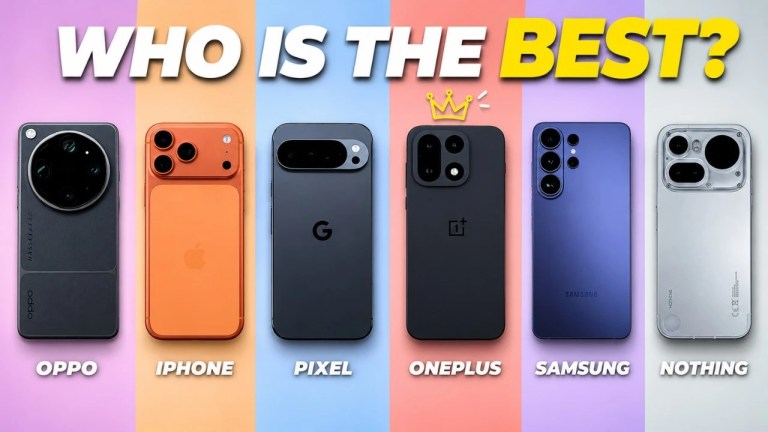
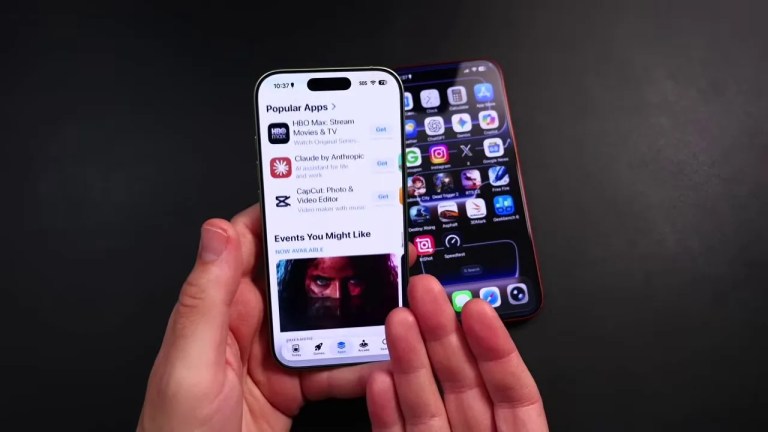
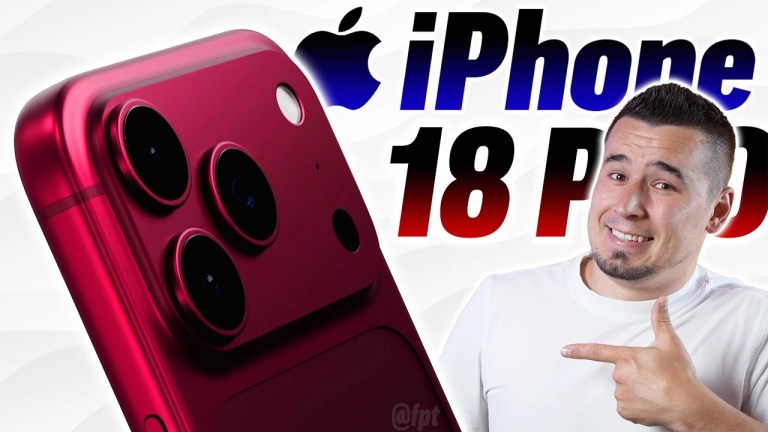
Every year, we play the same game of tech chess. We buy the latest shiny slab of titanium, convince ourselves it’s the pinnacle of human engineering, and then—just like clockwork—the early supply chain rumors start trickling in, making our brand-new devices feel instantly outdated. But this time around, the situation is different. The sheer volume of highly credible iPhone 18 Pro Max leaks currently floating around Cupertino’s supply chain suggests that Apple isn’t just planning an incremental S-year style update; they are fundamentally re-engineering the physical and visual footprint of their ultimate flagship.
As a tech journalist who has covered every single iPhone launch since the original 2007 presentation, I’ve learned to separate the sensationalist “concept art” from real, actionable CAD leaks. Today, we are breaking down the first five of eleven major design and hardware shifts. Strap in, because Apple is making some incredibly bold—and controversial—choices here.
At a Glance: The Initial Wave of Upgrades
Before we dissect each leak under the microscope, here is a quick summary table of how these upcoming changes stack up against the current generation of iPhones.
| Feature / Spec | Current iPhone Series | Leaked iPhone 18 Pro Max Specs |
|---|---|---|
| Hero Colorway | Desert Titanium / Natural Titanium | Dark Cherry & Space Black |
| Est. Weight | ~227 grams | >240 grams (Heaviest since iPhone 14) |
| Display Tech | Standard LTPO OLED | LTPO Plus (High Sunlight Efficiency) |
| Dynamic Island Size | Standard Pill-shape cutout | ~33% physically smaller footprint |
1. The Color Revolution: Deep Cherries and Space Black Resurrections
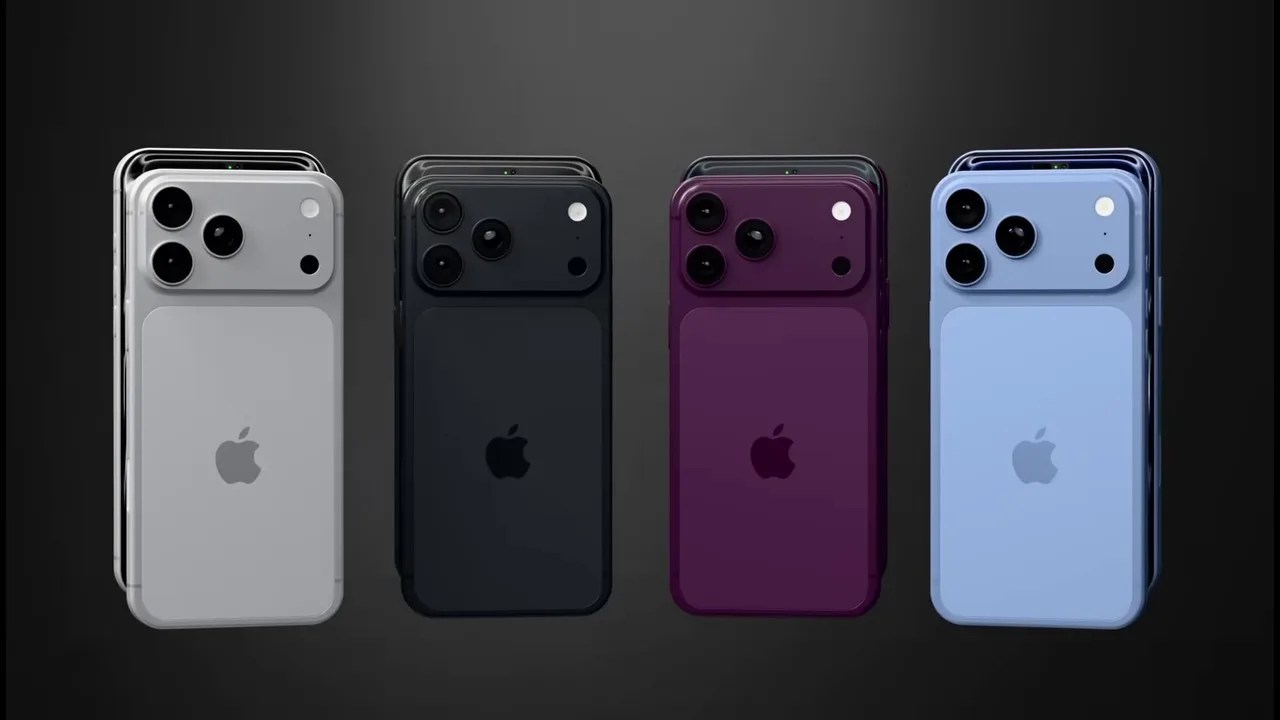
Let’s start with the first thing everyone notices: the aesthetics. Over the past few years, Apple has played it incredibly safe with their titanium color palettes. “Muted,” “industrial,” and frankly, “a bit boring” are descriptions that frequently pop up in my review comments. Fortunately, the first major leak reveals a massive shake-up in the color lineup.
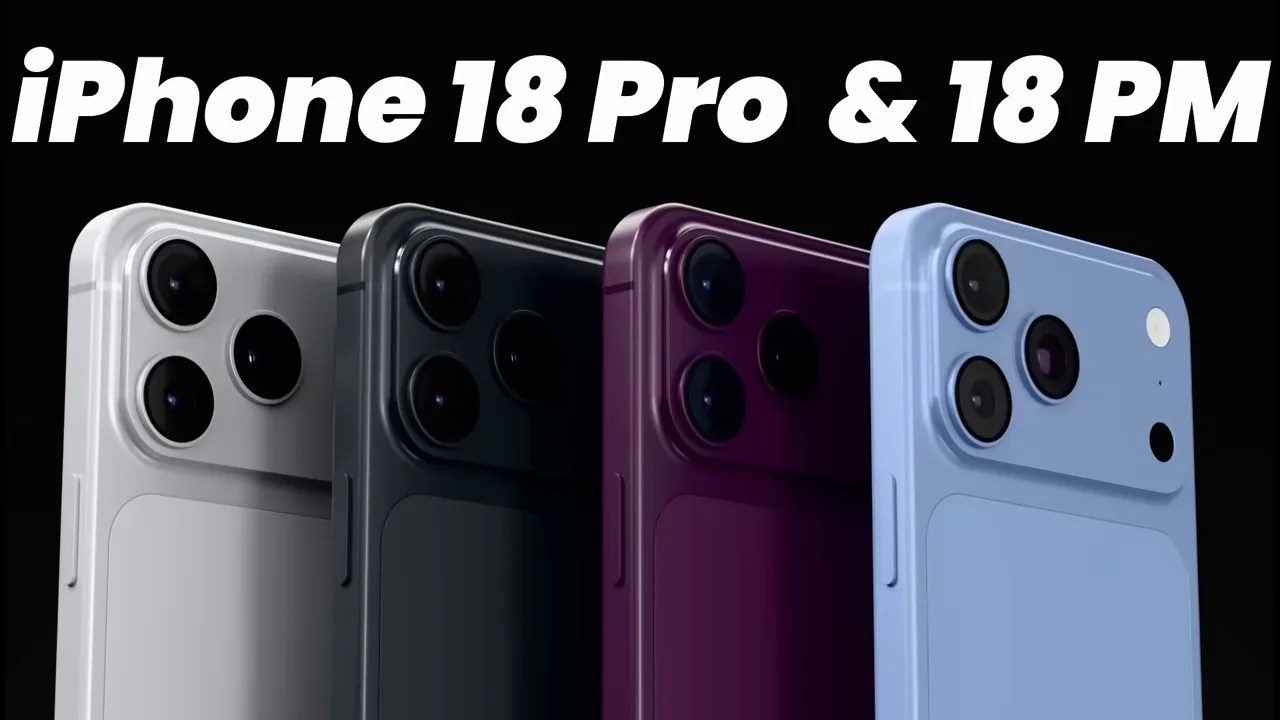
As shown in the initial leak teardown, Apple is preparing to pivot back to a highly curated, four-color layout for the pro models.
According to insider dummy units, Apple is retaining only one single color from the current generation: the classic, clean Silver. The rest of the lineup is getting a dramatic face-lift. First up is the resurrection of a fan favorite: Space Black. This isn’t the grayish “Graphite” or “Black Titanium” we’ve seen recently. We are talking about a deep, light-absorbing, stealthy black that calls back to the iconic iPhone 14 Pro era.
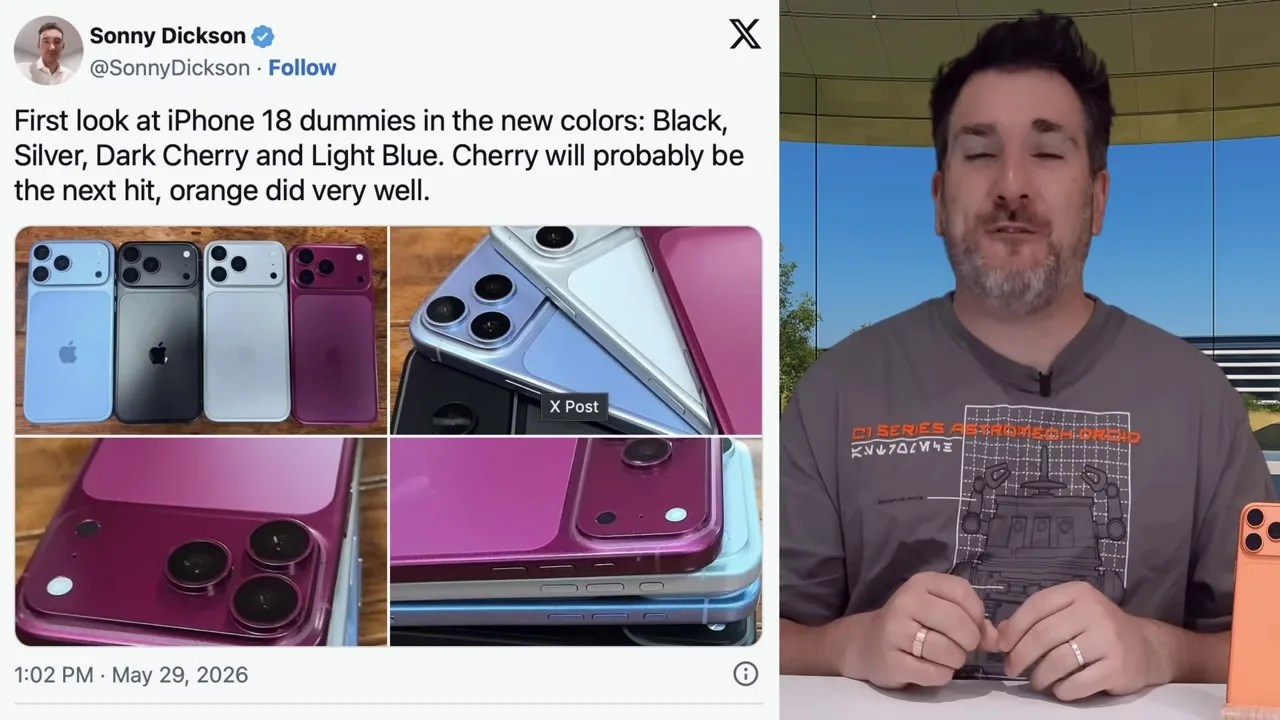
Leaked dummy units showcase the stunning new Dark Cherry alongside a true, stealthy Space Black.
But the real showstopper here is the brand-new Dark Cherry colorway. Think of it as a mature, sophisticated fusion of the old deep purple and a rich burgundy. It catches the light with a subtle, metallic crimson undertone that feels incredibly premium. If these dummy units are anything to go by, this Dark Cherry variant is going to be the absolute must-have color that sells out within minutes of pre-orders opening.
2. Entering the Heavyweight Class: The Return of the Brick?
Now, let’s address the elephant in the room—and it’s a heavy one. When Apple transitioned to titanium, they made a massive deal about how much lighter the phones became. It was a blessing for our pinky fingers. However, the latest physical dimensions leaks suggest that this era of featherweight flagships is coming to an abrupt end.

Internal schematics point toward a thicker chassis, pushing the weight limits back to historic highs.
According to early CAD models, the upcoming Pro and Pro Max models will feature a slightly thicker chassis. While a fraction of a millimeter doesn’t sound like much on paper, in the hand, it changes the entire ergonomics. More importantly, this extra volume translates directly to weight. Rumors indicate the iPhone 18 Pro Max could easily push past the 240-gram threshold.
This would make it the heaviest iPhone since the notoriously brick-like iPhone 14 Pro Max. Why is Apple doing this? The primary culprit is almost certainly a significantly larger battery (which we will discuss in detail in a later part of this series). It’s a classic engineering trade-off: do you want a phone that is comfortable to hold for hours, or do you want a phone that easily lasts two full days on a single charge? Apple seems to be betting on the latter.
3. LTPO Plus: Blinding Brightness Meets Extreme Efficiency
Fortunately, it’s not all heavy news. The display is receiving a massive technological leap forward. While competitors like Samsung have made strides in anti-reflective glass, Apple is targeting the underlying panel technology itself with a brand-new panel standard dubbed LTPO Plus.

The new LTPO Plus screen architecture improves outdoor readability while significantly cutting down display power draw.
What makes LTPO Plus different from the standard LTPO we’ve used for years? It boils down to two critical real-world improvements: direct sunlight legibility and dynamic power scaling.
If you’ve ever tried to read a map or edit a photo on your phone at the beach on a bright summer afternoon, you know that even modern OLEDs struggle to maintain peak brightness before thermal throttling kicks in. LTPO Plus utilizes a refined backplane structure that allows the display to sustain much higher nit levels outdoors without overheating. Furthermore, its ultra-low refresh rate states are even more power-efficient, ensuring that the Always-On display draws virtually zero power when your phone is sitting idle on your desk.
4. Shrinking the Island: Face ID Finally Gets Out of the Way
When Apple introduced the Dynamic Island, it was a masterclass in turning a physical hardware limitation into a whimsical software feature. But let’s be honest: it’s still a giant pill-shaped cutout cutting into our movies and games. It’s intrusive.
The fourth major leak indicates that Apple’s hardware miniaturization efforts are finally paying off.

By consolidating the Face ID sensor array, Apple is shrinking the Dynamic Island by roughly one-third.
By redesigning the vertical cavity surface-emitting lasers (VCSEL) used in the Face ID sensor array, Apple’s engineers have managed to shrink the overall footprint of the sensor package. The result? A Dynamic Island that is roughly one-third smaller than the current version.
It won’t change shape drastically—it will still maintain that familiar pill aesthetic—but it will be noticeably narrower and less tall. This subtle reduction makes a massive psychological difference; it pushes the island further up into the status bar, freeing up valuable screen real estate and making immersive content feel truly immersive again.
5. The Ceramic Glass Evolution: Is Apple Going Semi-Transparent?
Lastly, let’s talk about the back of the device. The frosted matte glass on current Pro models is gorgeous, but it’s prone to showing grease marks and, in worst-case drop scenarios, shattering into a spiderweb of sadness. For the next generation, Apple is allegedly iterating on its proprietary Ceramic Shield technology, applying it to the back glass panel as well.

A highly durable ceramic glass back structure, with persistent rumors pointing to a semi-transparent finish.
This new structural glass formulation promises significantly higher scratch resistance—meaning you might finally be able to toss your phone into a pocket with keys without wincing.
But the whisper that has the design community buzzing is the possibility of a semi-transparent finish. While I would take this particular aesthetic rumor with a healthy grain of salt, supply chain sources suggest Apple has experimented with a glass finish that subtly reveals the internal wireless charging coils and thermal shielding under direct, intense light. Even if they stick to a completely opaque design, the structural improvements alone make this a highly welcome upgrade.
But these physical design tweaks are only the tip of the iceberg. What about the raw horsepower? What about the rumored camera changes that aim to replace professional mirrorless cameras entirely? We will dive deep into those game-changing internal hardware leaks in the very next part of this series…
6. The Power Play: Battery Capacities Are Crossing a New Threshold
Let’s be honest: no one has ever complained about having too much battery life. While the current Pro Max models are already absolute endurance beasts, easily sitting at the top of the smartphone battery hierarchy, Apple isn’t resting on its laurels. The sixth major leak reveals that Apple is planning to pack a massive physical cell inside the newly thickened chassis, pushing capacities up to a staggering 5,100 to 5,200 mAh.
Leaked engineering targets indicate a significant physical battery upgrade, pushing capacities beyond 5,100 mAh.
Now, I know what some of you tech-savvy readers might be thinking: “Is a mere 100 to 200 mAh bump really going to change my daily life?” On its own, perhaps not. But raw capacity is only one half of the battery equation. Look at Samsung’s Galaxy Ultra lineup—they have stuck with a 5,000 mAh cell for years, yet managed to squeeze out better battery life year-over-year purely through software optimization and hardware efficiency.
When you combine this physically larger 5,200 mAh cell with the ultra-efficient LTPO Plus display technology we discussed earlier, the real-world results are going to be spectacular. We are looking at a device that doesn’t just get you through a heavy day of filming and GPS navigation, but comfortably sails into day two without a hint of battery anxiety.
7. The 2nm Beast: How the A20 Pro Redefines Mobile Silicon
This brings us to the real crown jewel of the internal hardware: the upcoming A20 Pro chip. Every year, chipmakers boast about “faster CPU speeds” and “revolutionary GPU performance.” But the transition happening with the A20 Pro is a genuine, generational leap. This is slated to be Apple’s very first chip built on TSMC’s cutting-edge 2-nanometer (2nm) process node.

The architectural layout of the A20 Pro chip, leveraging TSMC’s ultra-dense 2nm fabrication node.
To put this in perspective without getting bogged down in dense semiconductor jargon: shrinking the fabrication process to 2nm allows engineers to pack billions of additional transistors into a space smaller than a fingernail. The physical distance that electrical signals have to travel is shortened, which dramatically reduces heat generation and power consumption.
What does this mean for you? It means the A20 Pro will deliver desktop-class processing power while drawing a fraction of the energy required by the previous A19 generation. Whether you are rendering heavy 4K ProRes video on the fly, running local, on-device AI models, or playing console-quality games, the phone will run cooler, sustain peak performance longer, and sip battery life like a fine wine.
8. Cutting the Qualcomm Cord: The Custom C2/C2X Communication Silicon
For years, Apple has harbored a public secret: they desperately want to stop paying Qualcomm billions of dollars for cellular modems. They want vertical integration—designing every single chip inside the chassis themselves. According to the eighth major leak, that dream is finally becoming a reality with the debut of Apple’s first in-house communication chip, internally codenamed the C2 (or C2X) chip.
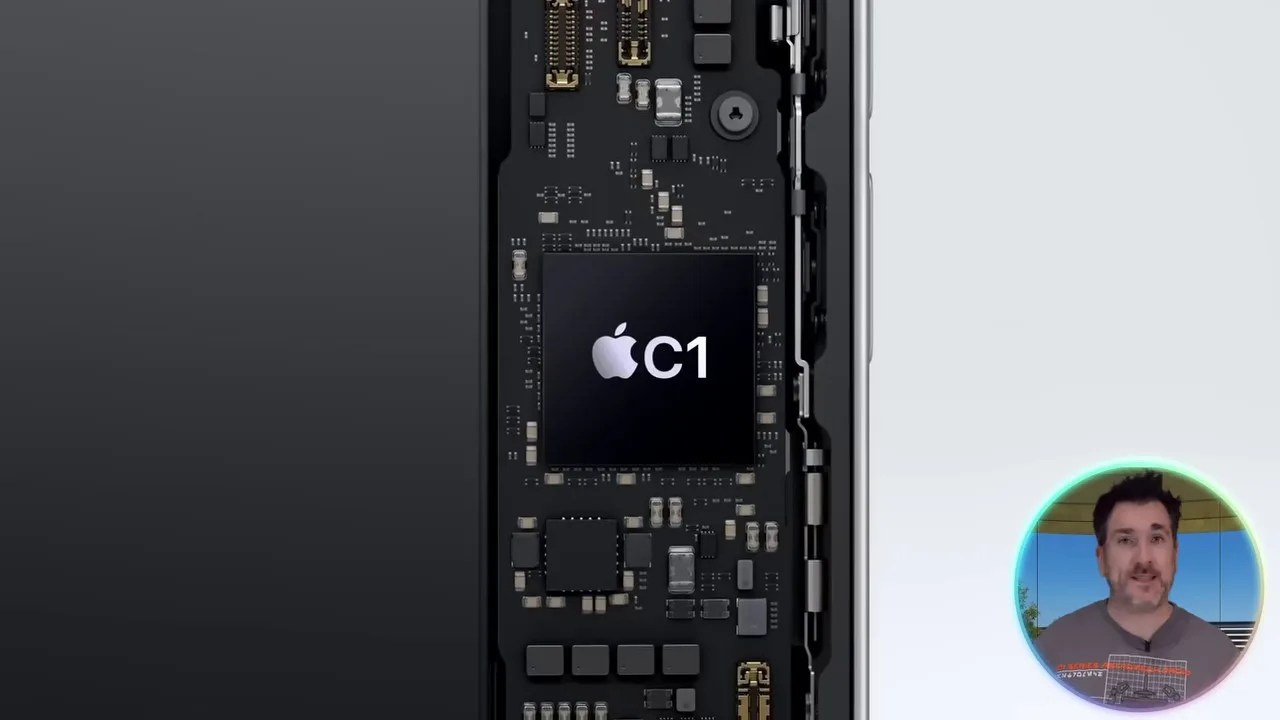
The custom C2/C2X chip will handle cellular, Wi-Fi, and direct-to-satellite communications natively.
Replacing a Qualcomm modem is no small feat; those chips are the gold standard for global connectivity. However, by designing their own silicon, Apple can achieve a level of hardware-software synergy that was previously impossible.
The C2 chip is designed to integrate seamlessly with the main A20 Pro SoC, drastically reducing the power drain associated with hunting for cellular signals in weak coverage areas. Furthermore, this custom silicon is rumored to feature enhanced direct-to-satellite communication capabilities, allowing for faster emergency messaging and potentially even satellite-based internet features in remote areas without needing a traditional cellular tower nearby.
But we can’t talk about a modern flagship without talking about the camera system. If you thought a 2nm chip and a custom modem were impressive, wait until you see what Apple is planning for the camera sensors. The next set of leaks reveals a physical mechanical hardware change that will make traditional camera enthusiasts sit up and take notice…
But before we get to the lens glass, we have to talk about what this custom C2 chip does when you are completely off the grid. Up until now, satellite connectivity on smartphones has been a strictly emergency-only affair—sending brief text coordinate pings to search and rescue. Apple’s new communication silicon is rumored to shatter that limitation by offering genuine satellite internet connectivity.
Imagine being in the depths of a dense jungle or the middle of a barren desert, miles away from the nearest cell tower, and still being able to browse websites, send emails, or stream compressed audio. While you won’t be streaming high-bitrate 4K HDR videos anytime soon—speeds will likely restrict you to around 480p media streaming—the fact that you can maintain a baseline connection to the global internet from anywhere on Earth is a monumental leap forward for safety and remote work.
9. Crisp Selfies: The Jump to a 24-Megapixel Front Camera
Moving on to the cameras, Apple is giving the front-facing sensor some serious love. For years, the selfie camera was treated as an afterthought, but in the era of TikTok, high-definition FaceTime calls, and mobile vlogging, front-facing glass is more critical than ever.
The ninth major leak points to the front-facing camera jumping to a high-resolution 24-megapixel sensor. This isn’t just about blowing up your photos to larger sizes; it’s about pixel binning, improved digital cropping, and capturing far richer textures in challenging lighting. Your group selfies will look sharper at the edges, and low-light performance in dim restaurants will take a massive step forward.
10. The Holy Grail of Mobile Photography: Variable Physical Aperture
Now, let’s talk about the absolute showstopper of this camera system. The tenth major leak indicates that the main rear wide-angle camera will feature a physical variable aperture.
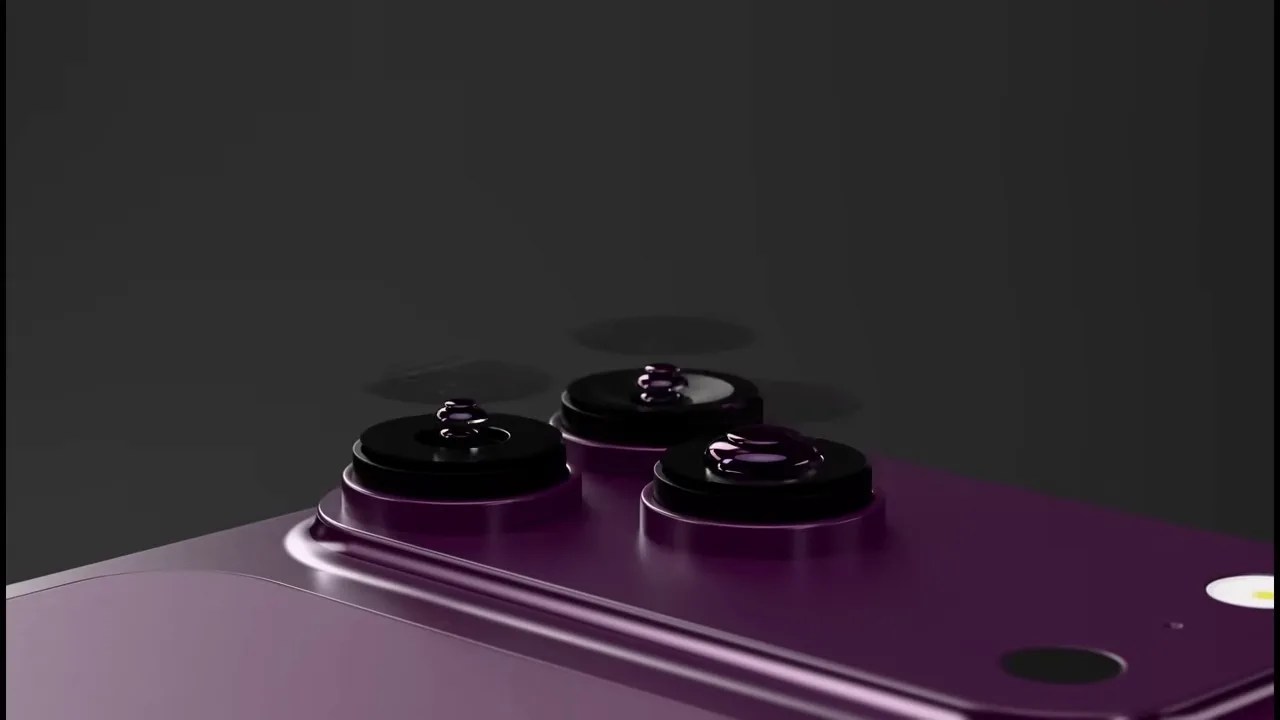
The mechanical variable aperture system mimics DSLR cameras, physically adjusting the blades to control light intake and natural depth of field.
If you aren’t familiar with camera optics, a variable aperture is a mechanical system—using tiny physical blades—that expands or contracts the physical opening of the lens. This is the exact technology used in professional DSLR and mirrorless camera lenses.
Ever since Apple introduced “Portrait Mode” on the iPhone 7 Plus, your phone has relied on complex digital algorithms to blur the background. While computational photography has gotten incredibly good, it still struggles with fine details like loose strands of hair or transparent glasses, resulting in an artificial-looking blur.
With a physical variable aperture, the iPhone 18 Pro Max will finally be able to produce genuine, optical bokeh. On a bright sunny day, the aperture can close down to prevent overexposure and maintain sharpness across the entire frame. Conversely, in pitch-black environments, the blades will open up wide to flood the sensor with light naturally, bypassing noisy digital gain. This is a massive win for purist photographers who prefer optical reality over AI-generated styling.
11. Redesigning the Capture Button: Simpler, Cheaper, and Harder to Break
Finally, we have the eleventh leak, which focuses on the newly introduced Camera Capture button. While the physical interaction of sliding your finger to zoom and pressing to snap a photo is incredibly intuitive, the current design is a highly complex, multi-layered capacitive component.
Because of this complexity, it is currently one of the most fragile and expensive components to repair on the entire chassis, with out-of-warranty replacement costs easily soaring north of $200 just to fix that single button.
To address this structural vulnerability, Apple is allegedly redesigning the button for the next generation. By simplifying the mechanical and capacitive architecture, Apple has found a way to make the button far more durable and significantly cheaper to manufacture. This means that if you do happen to drop your phone directly on the side rail, a repair won’t break the bank, and the tactile feedback of the button is expected to feel even more responsive and streamlined.
The Verdict: Is the iPhone 18 Pro Max Worth Waiting For?
Looking at the complete picture painted by these eleven major leaks, the upcoming flagship is shaping up to be one of the most radical architectural overhauls we’ve seen from Apple in years. Yes, the device is going to be heavier, and yes, it might feel a bit bulkier in your pocket. But in exchange, you are getting a hyper-efficient 2nm A20 Pro processor, a game-changing variable aperture camera system, a smaller Dynamic Island, and off-grid satellite internet capabilities.
If you are holding onto an older device and debating whether to upgrade now or wait, these features—especially the physical camera upgrades—suggest that holding out for this generation might be the smartest decision you make all year.
Frequently Asked Questions (FAQ)
Q1: Will the iPhone 18 Pro Max be heavier than previous titanium models?
Yes, according to the latest CAD schematics, structural changes and a larger battery capacity (ranging between 5,100 to 5,200 mAh) will likely push the weight past 240 grams, making it similar in weight to the older iPhone 14 Pro Max.
Q2: What is the benefit of a physical variable aperture on a phone camera?
Unlike digital portrait modes that blur the background using software, a physical variable aperture physically adjusts the lens blades. This allows the camera to capture true optical depth-of-field (bokeh) and dynamically control light intake, yielding much cleaner photos in bright daylight and low-light environments.
Q3: Will the satellite internet feature require a paid subscription?
While Apple currently offers basic emergency satellite services for free for an initial period, advanced data features like web browsing or media streaming via the new C2/C2X chip are highly rumored to be tied to a premium service tier or carrier partnership.