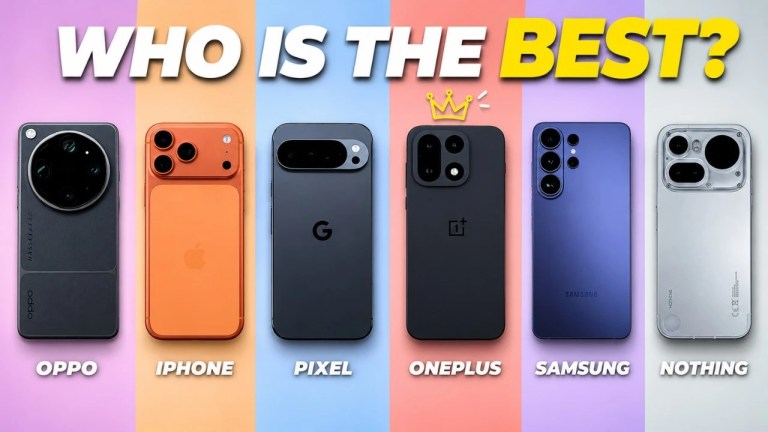
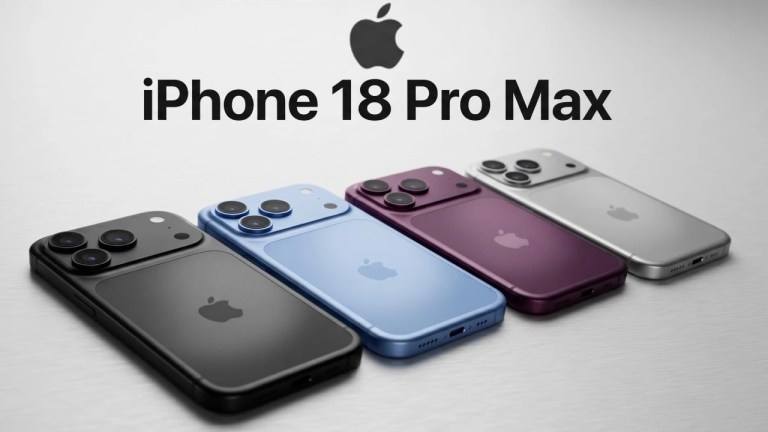
It feels like just yesterday we were all losing our minds over Apple’s flashy new “Cosmic Orange” colorway. Yet, here we are, already deep into the first quarter of 2026. The initial hype cycle has evaporated, the tech influencers have moved on to whispering about the next big thing, and we are left with the cold, hard reality of daily use. But something fascinating has happened in the market: the base iPhone 17 has quietly crowned itself as the global best-selling smartphone.
For the past nine months, I have been aggressively switching my SIM card back and forth between the standard iPhone 17 and the heavyweight champion, the iPhone 17 Pro Max. I wanted to look past the spec sheets and the launch-day marketing fluff to answer the only question that actually matters: is the Pro Max worth the massive premium, or has the base model finally become the only iPhone most of us should buy? In this comprehensive iPhone 17 vs iPhone 17 Pro Max long-term showdown, we are going to dissect the design, ergonomics, display breakthroughs, and the looming shadow of Apple Intelligence performance limits.
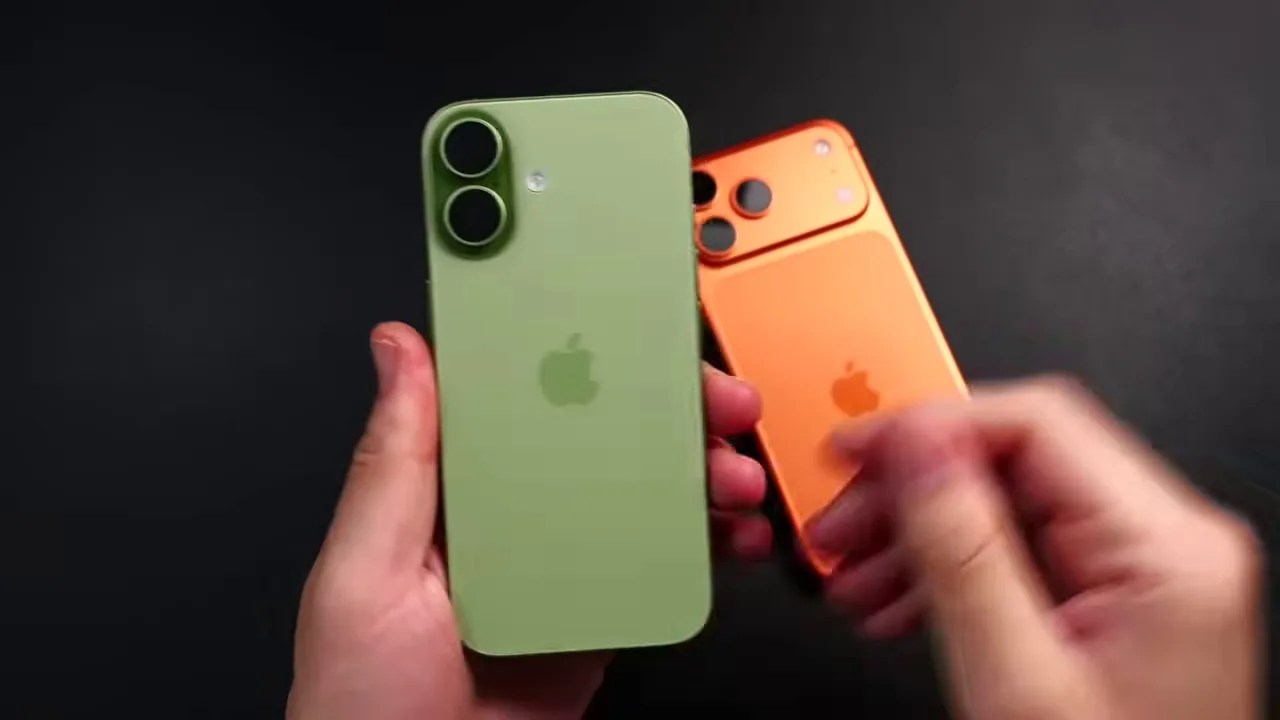
Before we dive into the nitty-gritty of daily operations, take a look at these two devices side-by-side in my hand. The visual contrast is striking, but as we’ll find out, the differences run far deeper than just physical footprint.
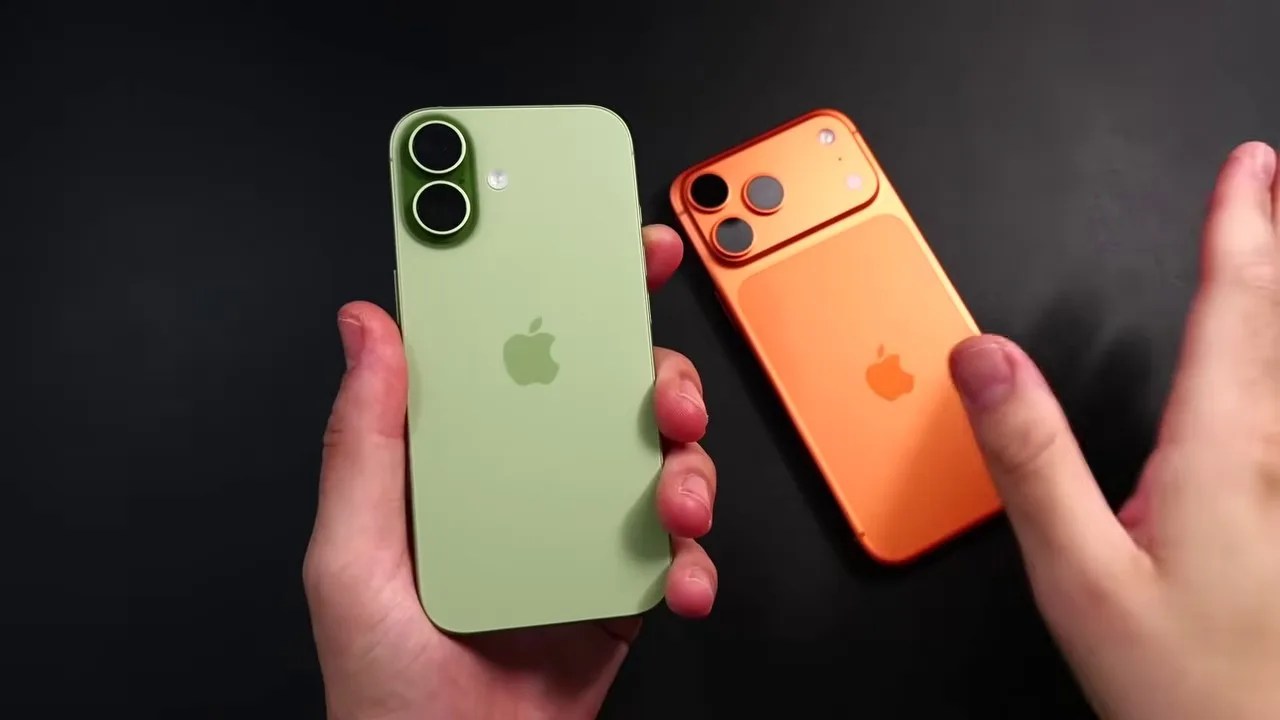
Nine months of battle scars: The base iPhone 17 in hand next to its gargantuan sibling, the iPhone 17 Pro Max.
The Ergonomic Dilemma: Form, Weight, and Real-World Comfort
Let’s address the elephant in the room. When you first unbox the standard iPhone 17, you might experience a brief wave of déjà vu. Visually, it shares an undeniable DNA with the predecessor it replaced, the iPhone 16. I actually kept my old 16 on hand just to make sure I wasn’t imagining things.
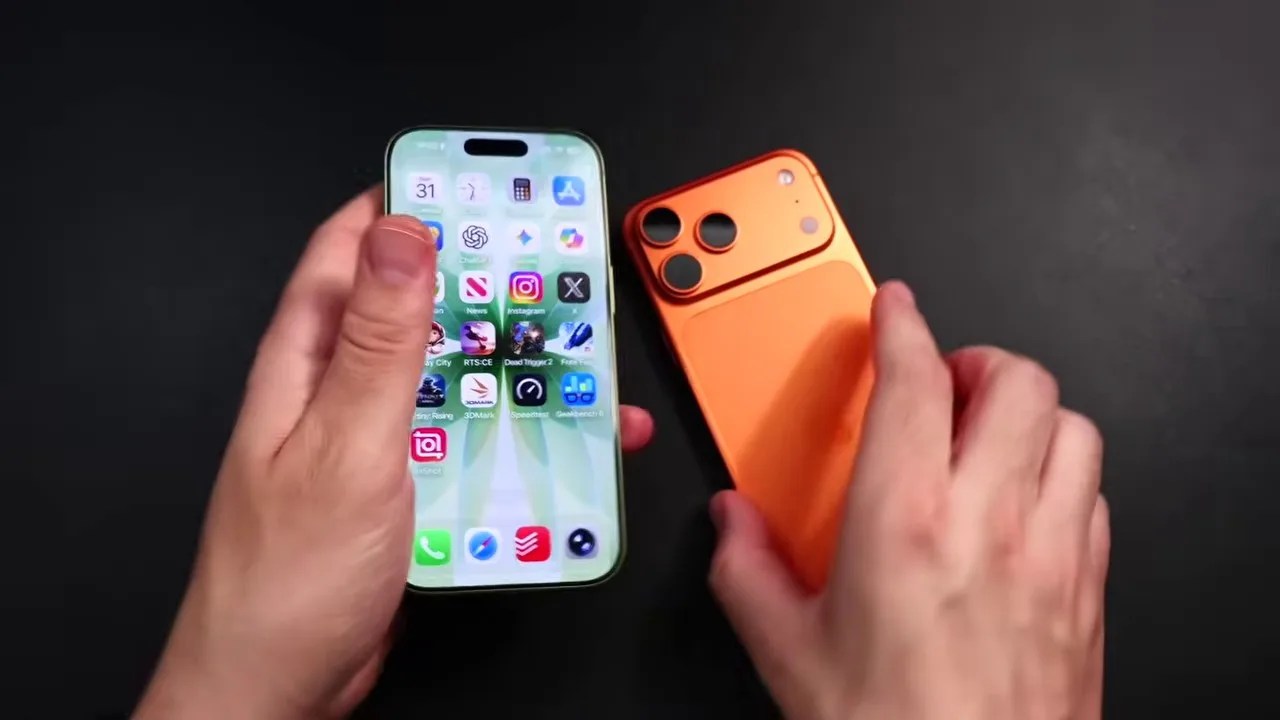
Spot the difference: The iPhone 17 (right) stands slightly taller than the older iPhone 16 (left), hinting at its expanded display real estate.
But once you hold it, the subtle refinements manifest. The iPhone 17 is slightly taller because Apple bumped the screen size up to a highly comfortable 6.3 inches. It strikes a magnificent balance—it is no longer a “small” phone, but it is far from a pocket-stretching brick. More importantly, it tips the scales at an incredibly nimble 177 grams.
Now, compare that to the iPhone 17 Pro Max. This year, Apple actually let the Pro Max gain a bit of thickness and weight to accommodate a beefier battery. The result? A whopping 233 grams. That is a massive chunk of metal and glass to carry around all day. While many power users (myself included, on heavy travel days) accept this as a fair trade-off for legendary battery endurance, my pinky finger begs to differ after thirty minutes of one-handed scrolling.
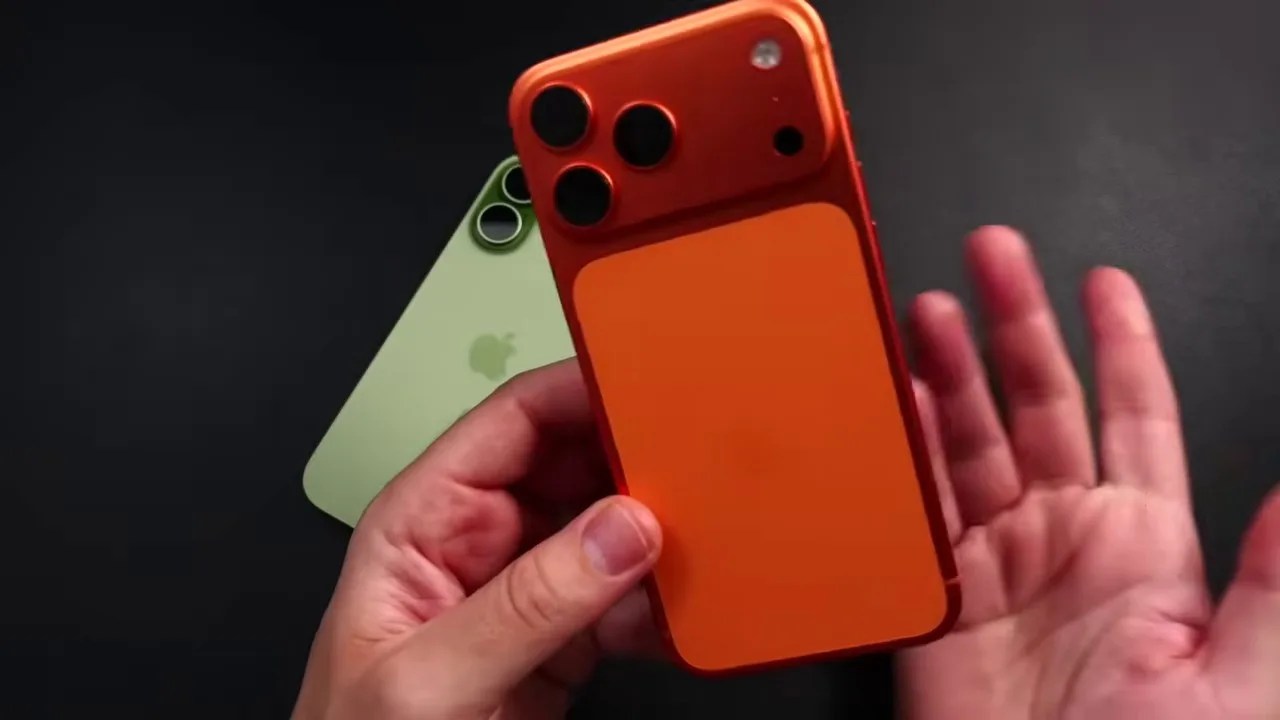
A tale of two weight classes: The 177g of the standard model feels like a feather compared to the dense 233g mass of the Pro Max.
Ergonomically, the 6.3-inch standard iPhone 17 is the undisputed champion for the average human hand. It sits perfectly in that golden “sweet spot” of modern smartphone design—spacious enough for media, yet compact enough that you don’t need thumb extensions to pull down the notification shade.
The sweet spot: One-handed navigation on the 6.3-inch display of the iPhone 17 is an absolute breeze.
That being said, if you are transitioning from an older “Max” or “Plus” model, the standard 17 might initially feel slightly restrictive. But give it forty-eight hours. You will adapt, your pockets will thank you, and you might start wondering why you tolerated a mini-tablet in your jeans for so long.
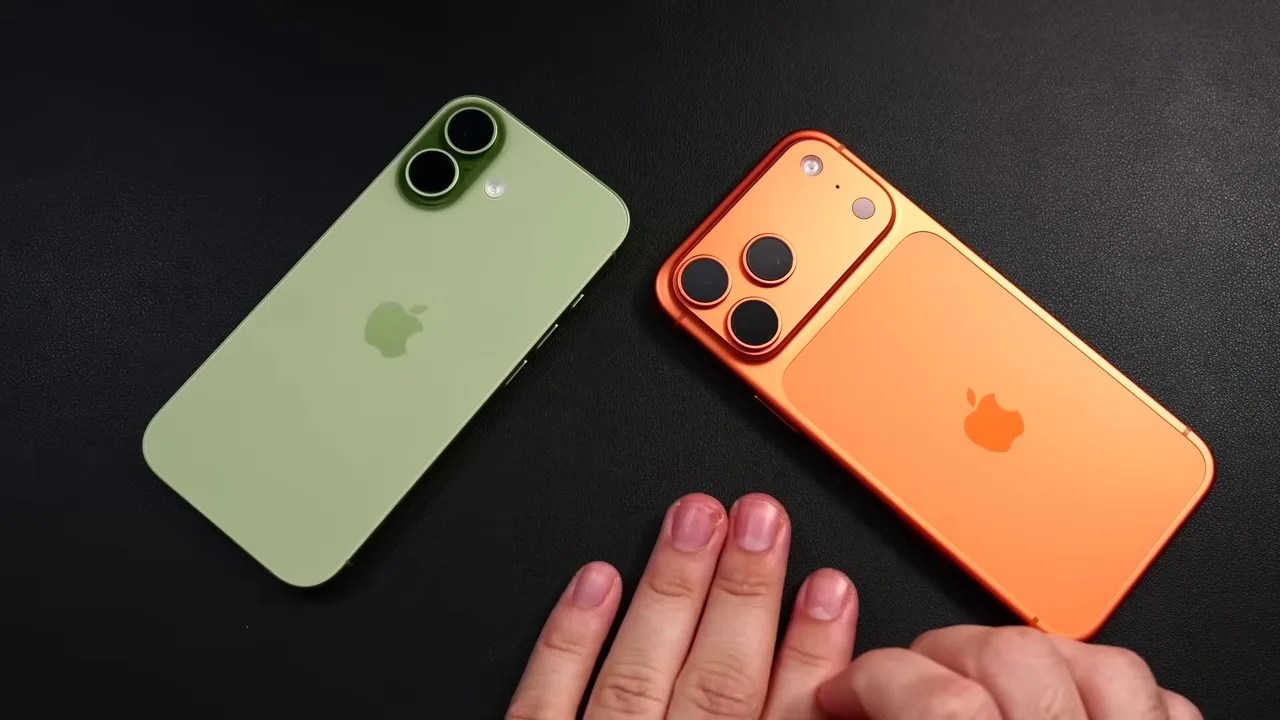
However, from a pure aesthetic standpoint, the Pro Max still commands the room. While the standard 17 relies on a design language we’ve seen for a couple of generations, the Pro Max introduces a sophisticated, ultra-modern two-tone aluminum design plateau on its rear glass. It immediately signals that you are holding the bleeding edge of Apple’s industrial design.
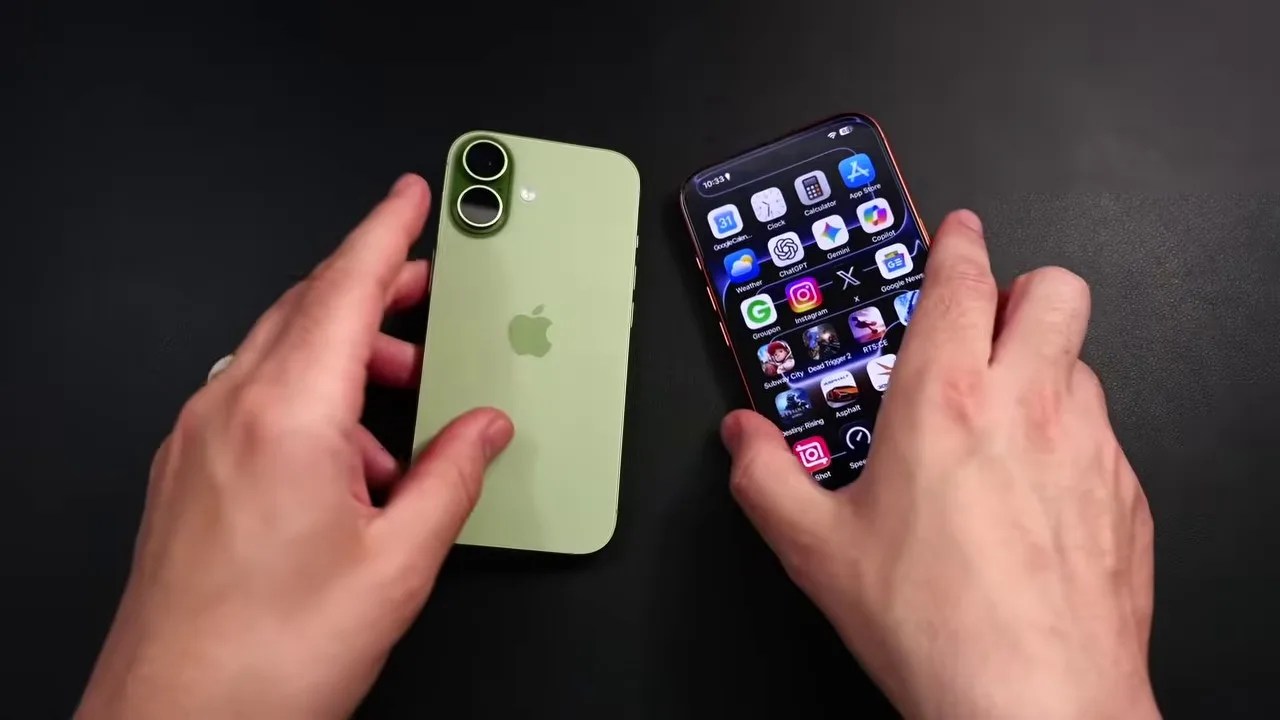
Premium aesthetics: The Pro Max’s distinct two-tone rear design contrasted against the more traditional, clean back of the standard iPhone 17.
Display Evolution: The “Pro Lite” Awakening
Historically, Apple used the display to draw a thick, unforgiving line between the “haves” and the “have-nots.” If you bought the base model, you were cursed with a sluggish 60Hz refresh rate that felt outdated the moment you swiped across the screen.
Not anymore. The defining reason the base iPhone 17 is flying off the shelves is that Apple finally democratized ProMotion. The standard 17 now boasts a buttery-smooth high refresh rate. Swiping through system menus, scrolling through endless social feeds, and launching apps feels incredibly fluid. It effectively transforms the base model into an “iPhone Pro Lite.”
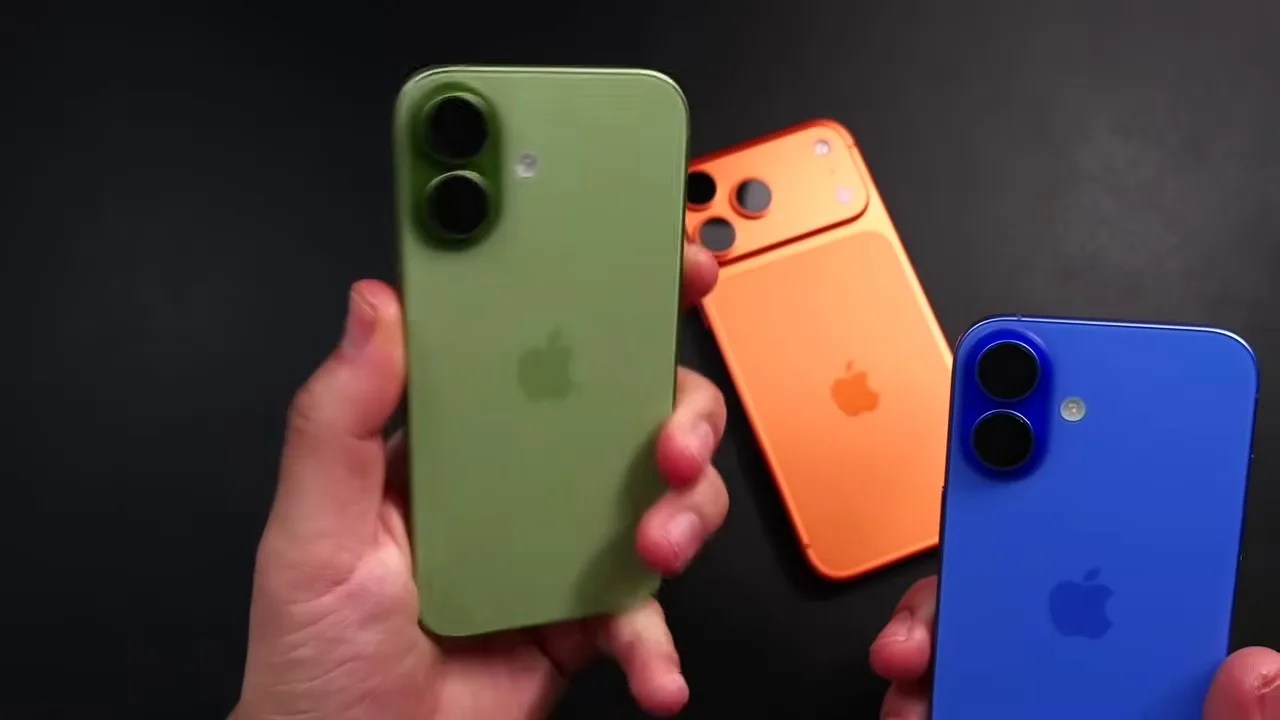
Smooth operator: The introduction of high refresh rates completely elevates the daily user experience on the base iPhone 17.
When you lay the two displays side-by-side, the similarities are honestly shocking. Apple didn’t skimp on the base panel’s calibration. The color accuracy, pixel density, and peak brightness levels are virtually identical. Whether you are paying for the base model or dropping rent money on the Pro Max, your eyes are treated to the exact same premium visual fidelity.
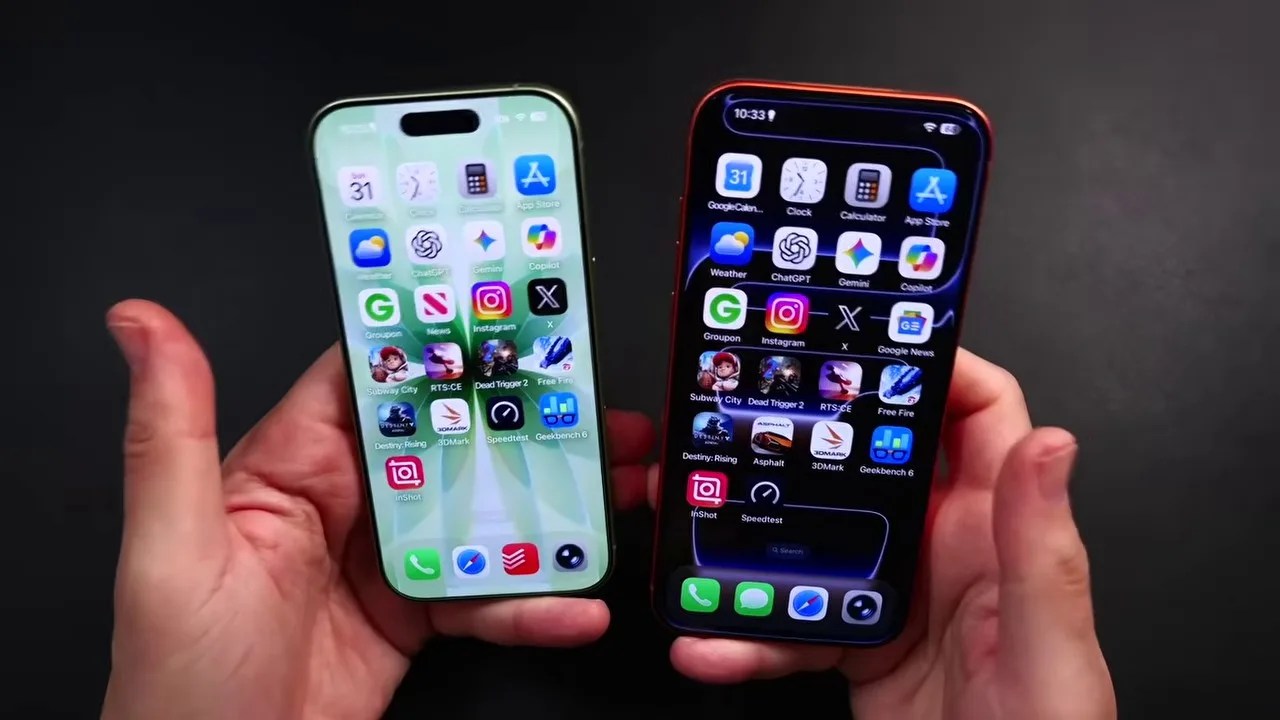
Visual parity: Side-by-side, the color tuning and sharpness of both panels are practically indistinguishable to the naked eye.
Both devices also benefit from a new anti-reflective coating layer. In direct, harsh sunlight, this coating is a lifesaver. While side-by-side testing reveals that the Pro Max’s anti-reflective properties are technically a hair more effective at diffusing glare, it is a difference you will only notice if you are actively looking for it with a magnifying glass.
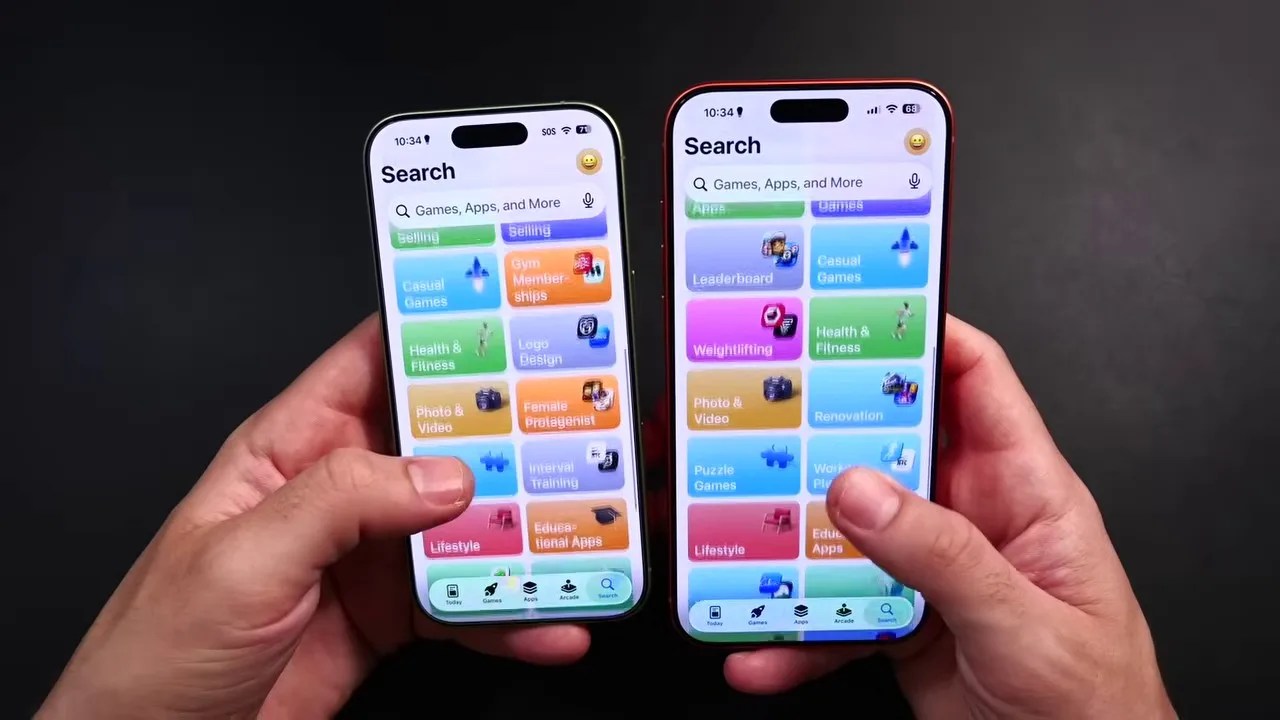
Beating the sun: Both displays handle harsh reflections with grace, though the Pro Max holds a microscopic edge in extreme glare.
Furthermore, Apple has kept the aspect ratios identical and shaved the bezels down to razor-thin margins on both models. You get a massive screen-to-body ratio regardless of your choice. Both are protected by Ceramic Shield 2, which, in my nine months of pocket-tossing, scratches at the exact same level of real-world abuse.
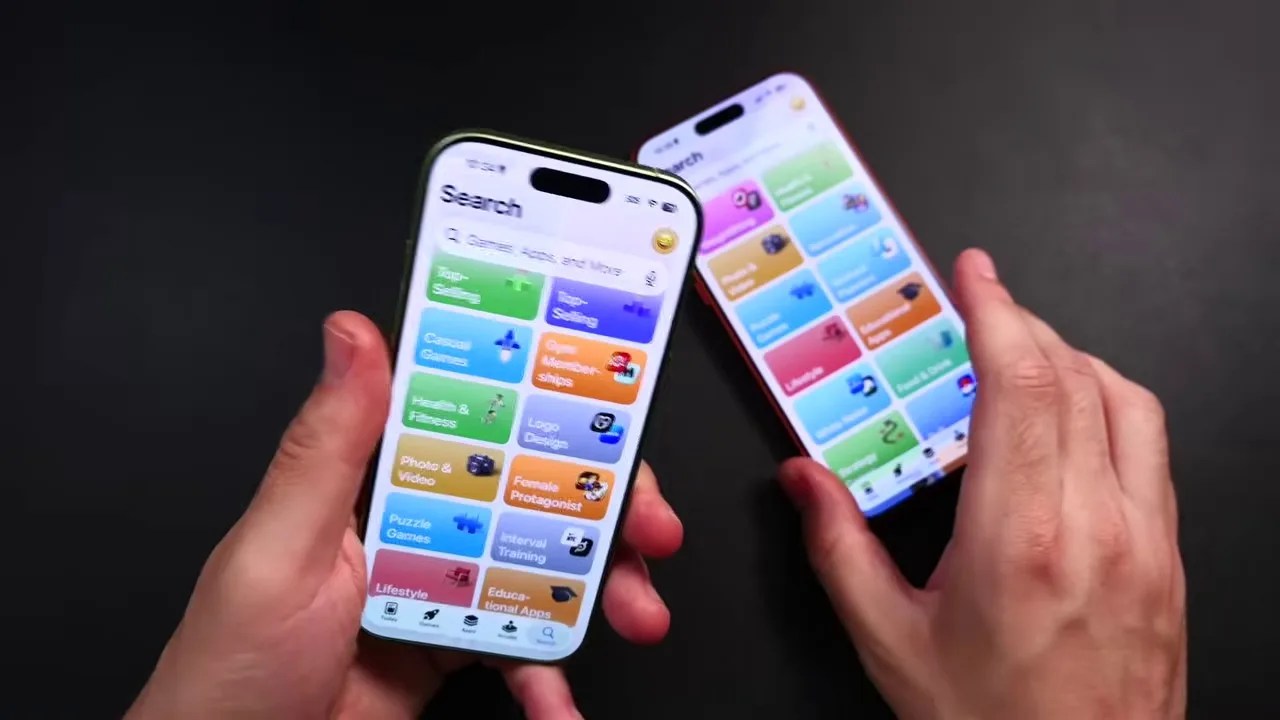
Minimalist borders: The uniform, incredibly thin bezels maximize screen real estate on both the 6.3-inch and 6.9-inch canvases.
To help you visualize how these two front-runners stack up on paper, I’ve compiled their fundamental physical and display specifications below.
The RAM Tax: Why 8GB in 2026 Feels Like a Ticking Time Bomb
While the gap between these two displays has narrowed to a razor-thin margin, there is one critical area where Apple’s corporate strategy raises my eyebrows: memory configuration.
Let’s be completely honest here. iPhones are not cheap, and they haven’t been for a long time. Whether you choose the base model or the top-tier Pro Max, you are making a serious financial investment. Consumers buy iPhones with the expectation that they will run flawlessly for four, five, or even six years. And that is why the standard iPhone 17’s 8GB of RAM feels like a major compromise.
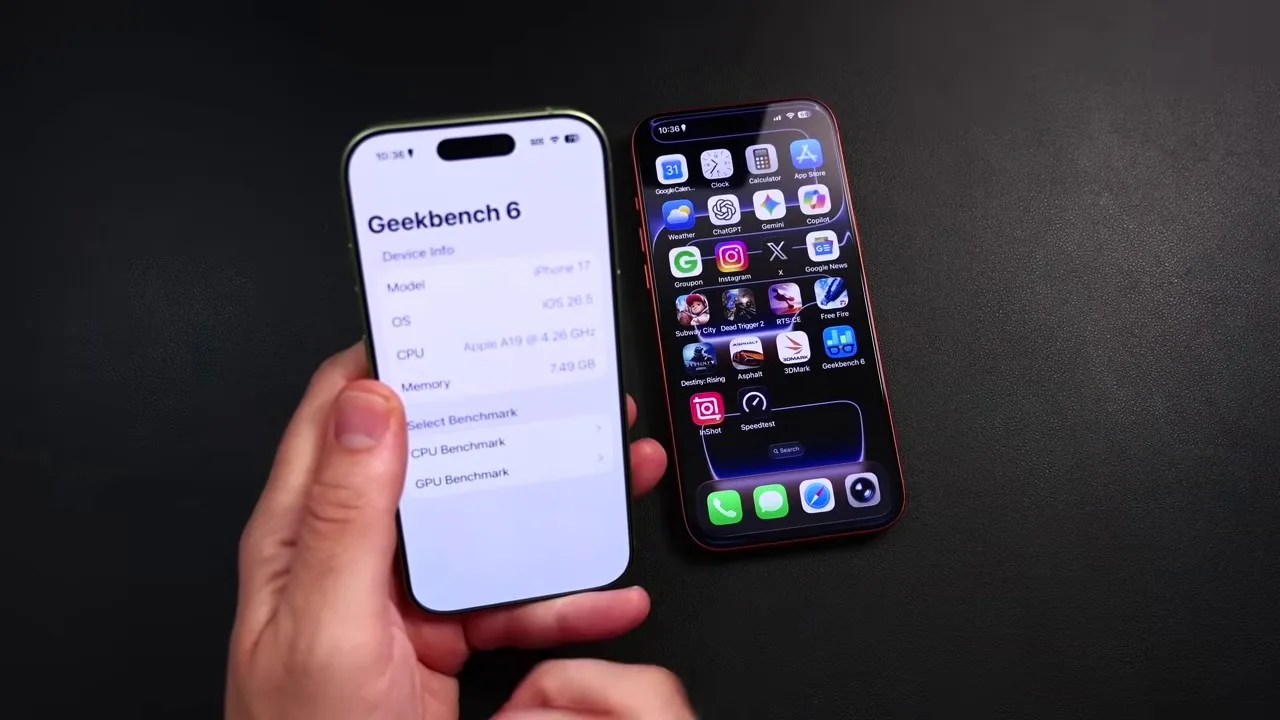
The memory divide: Apple’s decision to keep the base model at 8GB RAM while the Pro Max enjoys 12GB could have long-term software implications.
In the current landscape, 8GB is the bare minimum required to run local AI models efficiently. Yes, Apple Intelligence runs fine on the base iPhone 17 right now. Basic tasks, writing tools, and localized Siri requests execute without a hitch. But software doesn’t shrink; it expands. As Apple Intelligence continues to evolve and integrate heavier, more complex on-device machine learning models over the next few years, that 8GB of headroom is going to shrink rapidly.
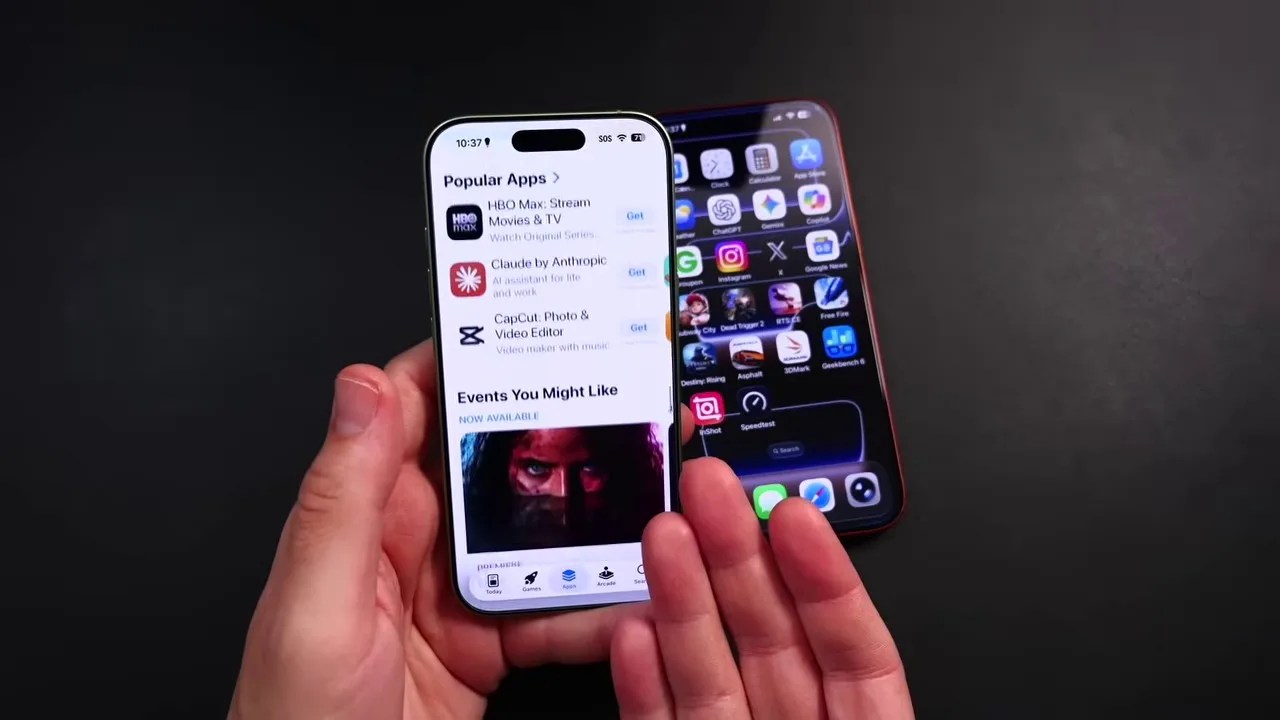
AI in action: Apple Intelligence performs adequately on both devices today, but the future runway is undoubtedly longer on the Pro Max.
If you plan on keeping your phone for the next four years, the iPhone 17 Pro Max, with its 12GB of RAM, is a vastly safer bet against software-induced stutter and aggressive background app-killing. In fact, given the premium price tag of the Max, I strongly believe Apple should have pushed it to 16GB of RAM, while elevating the base model to 12GB. Competitors like Samsung are already offering 12GB of RAM on their base flagships, and Apple’s stinginess here feels like planned obsolescence in disguise.
In day-to-day, real-world tasks right now? They feel identical. The raw processing power of both chipsets ensures that apps launch instantly, games render beautifully, and multitasking is seamless. For the vast majority of users, the standard iPhone 17 will simply feel like a lighter, far more comfortable version of the Pro Max that does almost everything its larger sibling can do—until you open the camera app, that is…
And that brings us to the first major fork in the road: the optics. If you are trying to decide between the standard model and the Pro Max, the camera module is where Apple draws its most aggressive line.
On the back of the standard iPhone 17, you will immediately notice something missing—the physical telephoto lens. If you are a frequent concert-goer, a nature enthusiast, or someone who simply needs to capture clean details from the nosebleed seats, the lack of dedicated optical zoom on the base model is going to disappoint you severely.
The Zoom Gap: Trying to shoot distant subjects highlights the stark difference between the Pro Max’s dedicated telephoto lens and the base model’s digital cropping.
To compensate, Apple has made the standard dual-camera setup incredibly capable in other areas. The macro mode is shockingly sharp, matching the pixel-level detail of the Pro Max when you get up close and personal with your subject. You also get a highly capable ultra-wide lens that lets you cram massive landscapes or tight group shots into a single frame without backing up into traffic.
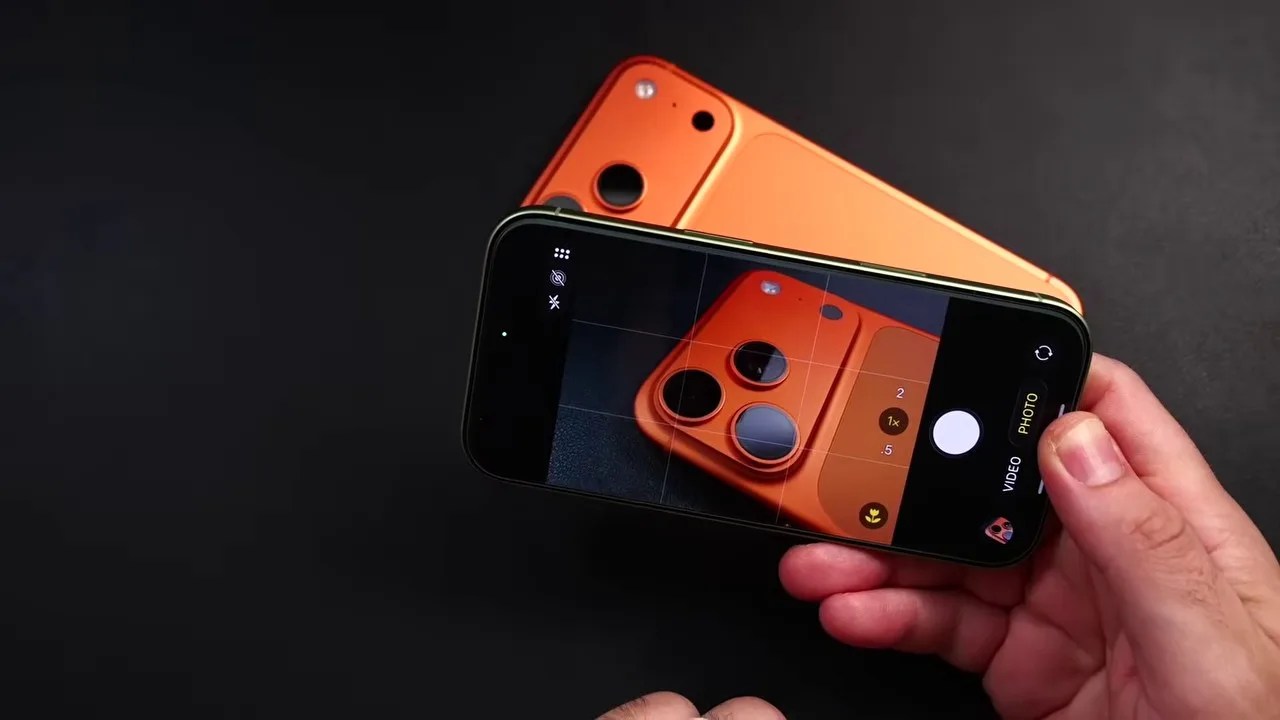
Microscopic details: The macro performance on the standard iPhone 17 holds its own remarkably well against the Pro Max.
Where Apple made an incredibly smart move is the front-facing camera. Both the standard 17 and the Pro Max feature an upgraded ultra-wide front sensor with Center Stage support. Apple knows its audience; they know that the vast majority of daily photos are selfies, group shots with friends, or quick FaceTime calls. By giving the base model the same elite-tier front camera, they’ve ensured that everyday consumers don’t feel like second-class citizens.
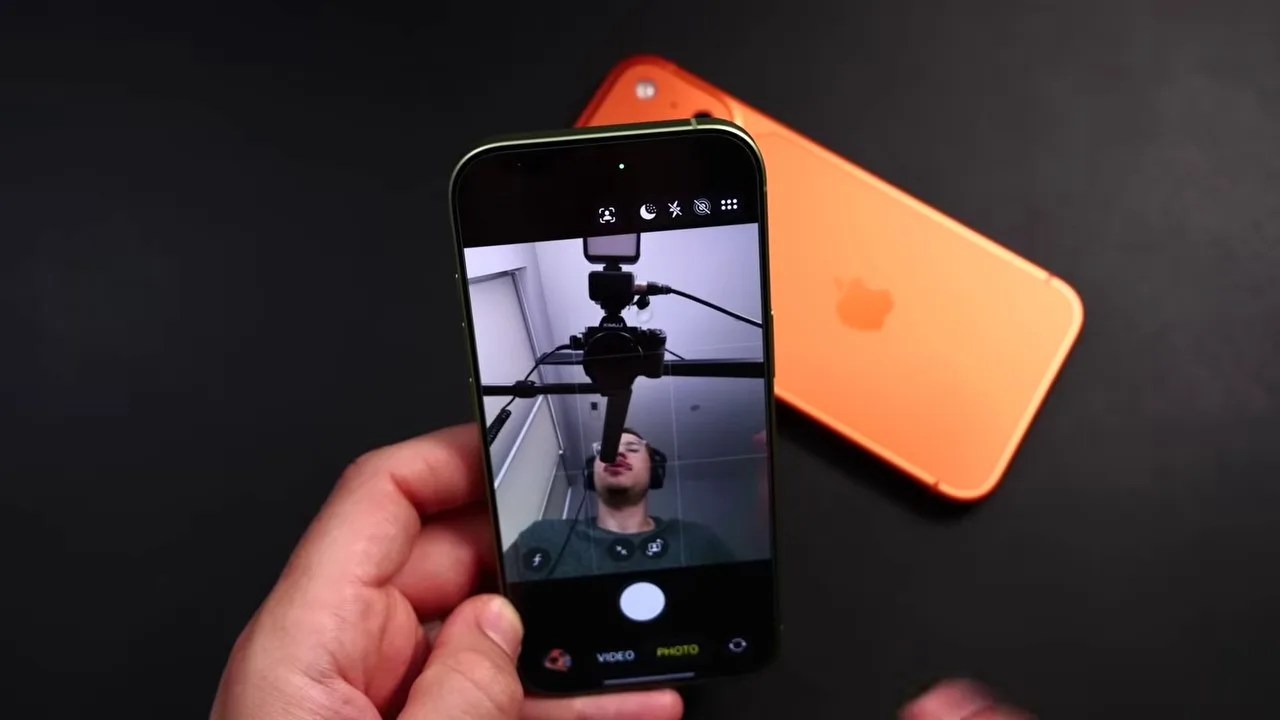
Selfie royalty: The ultra-wide front-facing camera on the base iPhone 17 is easily one of the best in the entire smartphone industry.
However, if you are a content creator, a mobile filmmaker, or someone who relies on professional post-production workflows, the Pro Max is in a different league. Features like ProRes and Log recording remain exclusive to the Pro hierarchy.
If you don’t know what those terms mean, you won’t miss them. But if you do, the Pro Max is a highly versatile production tool. It is a setup so robust that I confidently predict the Pro Max cameras will remain highly usable and relevant for the next 8 to 10 years, whereas the base model’s zoom limitations will likely feel dated within five.
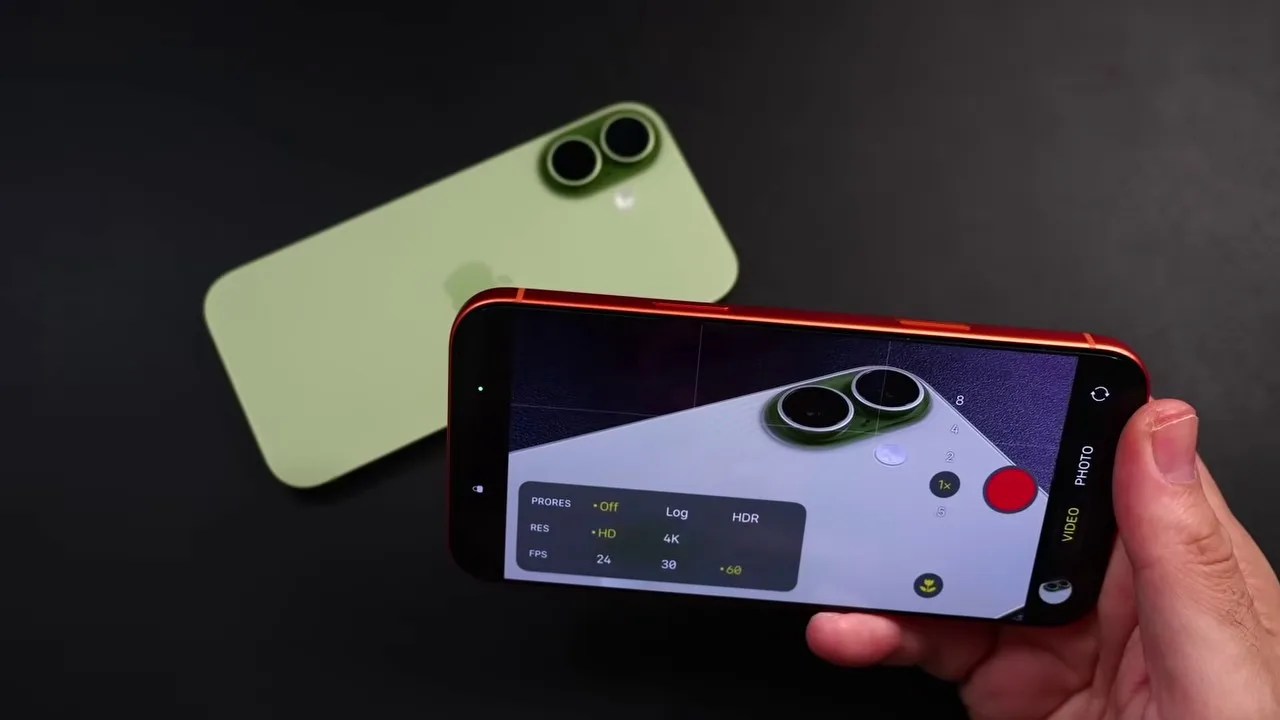
Pro tools: The ProRes and Log recording interface on the Pro Max, a suite of features completely absent from the base model.
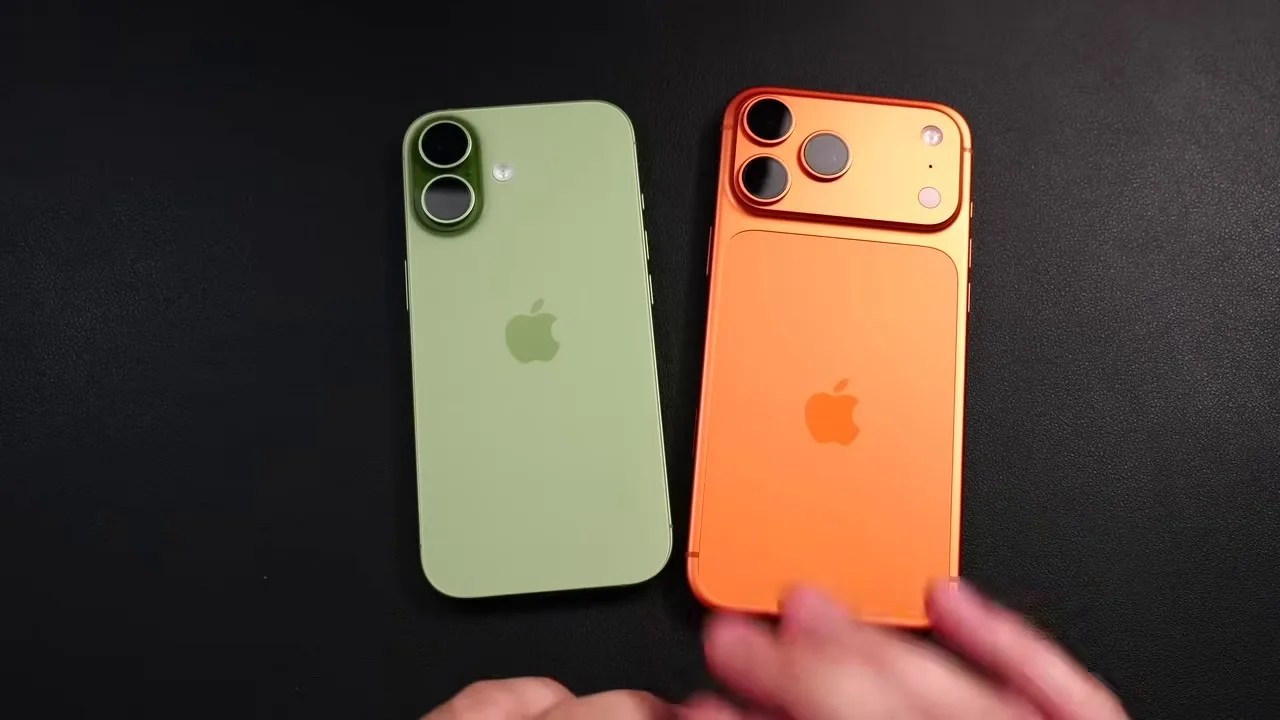
Two vs. Three: The physical reality of the camera arrays. The base model (left) is clean and simple, while the Pro Max (right) is a heavy-duty triple-lens powerhouse.
Under the Hood: Audio, I/O, and the Infamous Port Speeds
You would expect a massive, expensive phone like the Pro Max to completely blow the base model out of the water when it comes to audio performance. Surprisingly, it doesn’t. In my daily testing, the stereo speakers on both devices output almost identical volume levels and punchiness. If you take a lot of speakerphone calls or watch casual YouTube videos without headphones, the base iPhone 17 rocks out beautifully.
Where Apple truly nickel-and-dimes its customers, however, is the USB-C port. The base iPhone 17 is still restricted to archaic USB 2.0 transfer speeds. The Pro Max, on the other hand, utilizes a USB 3.2 port. If you are shooting large video files on your phone and need to transfer them to a Mac or PC via a cable, the base model is going to test every ounce of your patience. It is a frustrating limitation on a device that costs this much, and it forces base users to rely almost entirely on slower wireless AirDrop transfers.
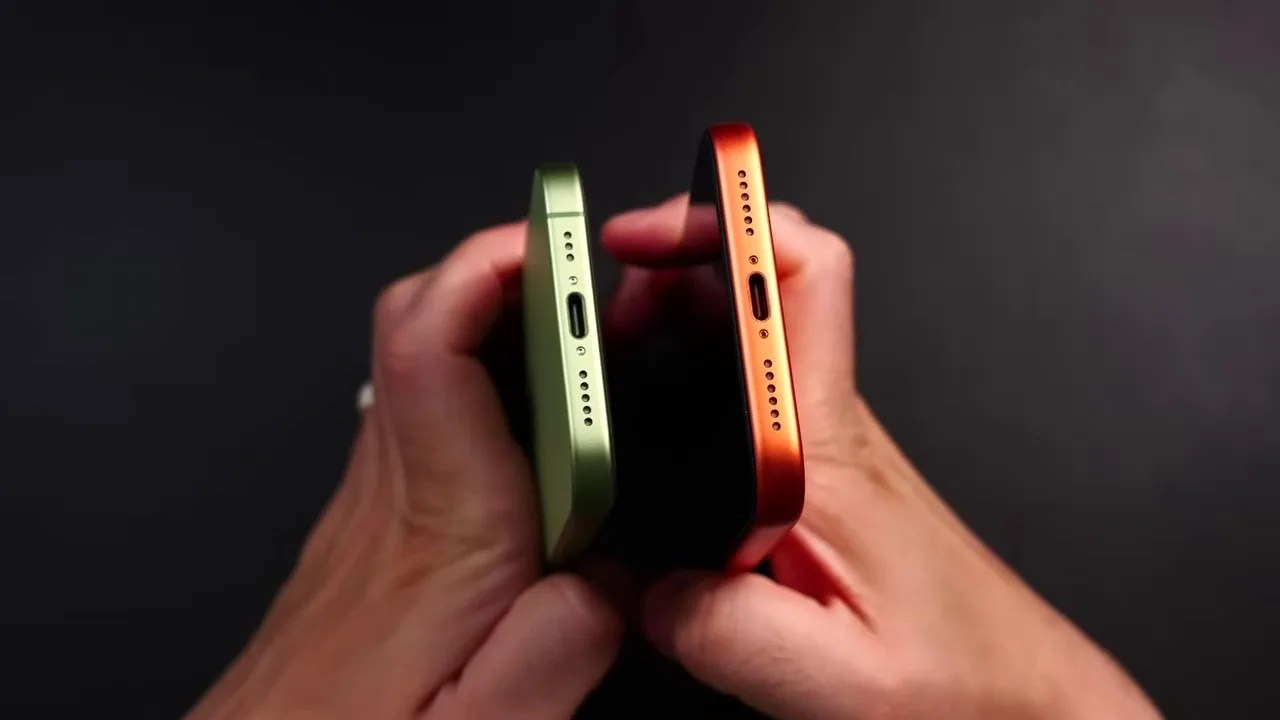
The data bottleneck: USB 2.0 on the standard model vs. lightning-fast USB 3.2 on the Pro Max.
On the bright side, cellular performance has seen a massive leap across the board. Both devices feature incredibly strong 5G modems that hold onto signals in areas where older iPhones used to completely drop connection. Whether you are navigating through a concrete parking garage or working from a basement, the reception strength on both models is among the best Apple has delivered in years.
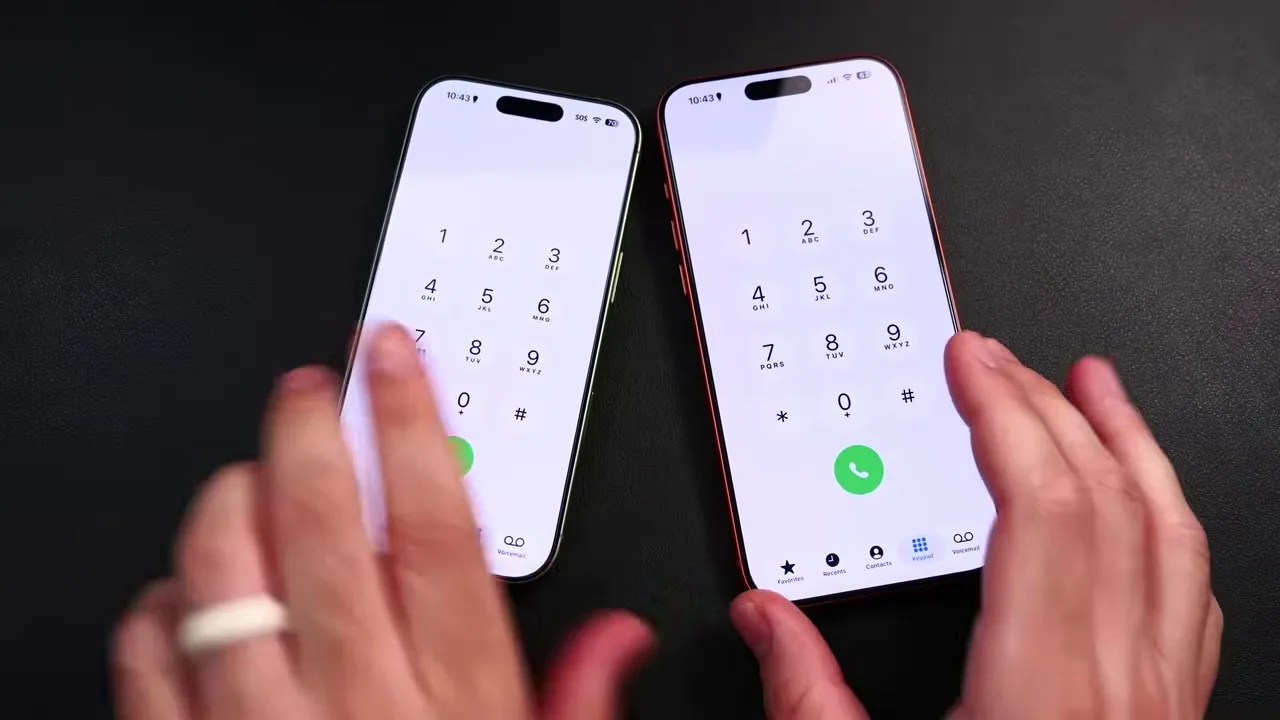
Solid connections: Both the standard and Pro Max models offer outstanding cellular reception, even in notorious dead zones.
Battery Life: The Ultimate Dealbreaker
At the end of the day, all the specs in the world don’t mean a thing if your phone is dead. And this is where the physical size difference of these two devices translates into a massive gap in real-world endurance.
The standard iPhone 17 is a highly reliable, solid “one-day” phone. If you unplug it at 7:00 AM, go through a standard day of texting, light navigation, and social media, you will comfortably make it to bedtime with a bit of juice to spare. But make no mistake: you *must* charge it every single night. If you forget, you will wake up to a red battery icon and an immediate wave of anxiety.
The iPhone 17 Pro Max is a completely different beast. It is a genuine day-and-a-half to two-day phone. You can easily fall asleep with 45% battery remaining, wake up the next morning, commute to work, and not even think about a charger until lunchtime. The sheer peace of mind that comes with this level of battery endurance is, for many, worth every extra penny and gram of weight.
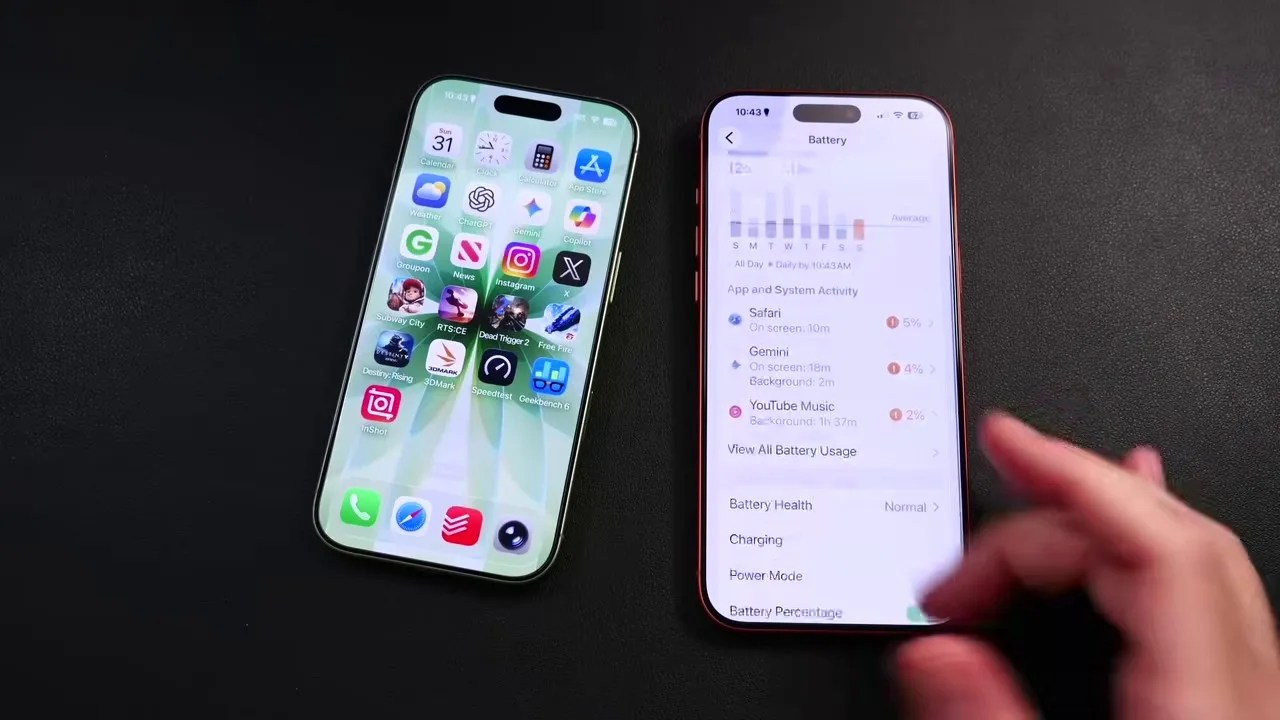
Endurance test: The Pro Max offers unparalleled battery peace of mind, while the base model demands a nightly charging routine.
The Verdict: Which One Belongs in Your Pocket?
After nine months of living with both devices, the conclusion is surprisingly clear.
For 90% of consumers, the standard iPhone 17 is the smartest purchase. By finally bringing ProMotion to the base model, Apple has eliminated the single biggest compromise of buying a non-Pro iPhone. It is lighter, infinitely more comfortable to hold, has stellar display quality, and handles daily tasks with absolute ease. It is the ultimate “value” play in Apple’s lineup.
But if you are a tech enthusiast, a creator who needs professional video codecs, or a power user who refuses to suffer from battery anxiety, the iPhone 17 Pro Max remains the undisputed king. It offers the best thermals, the maximum future-proofing with 12GB of RAM, and a camera system that will easily last you a decade.
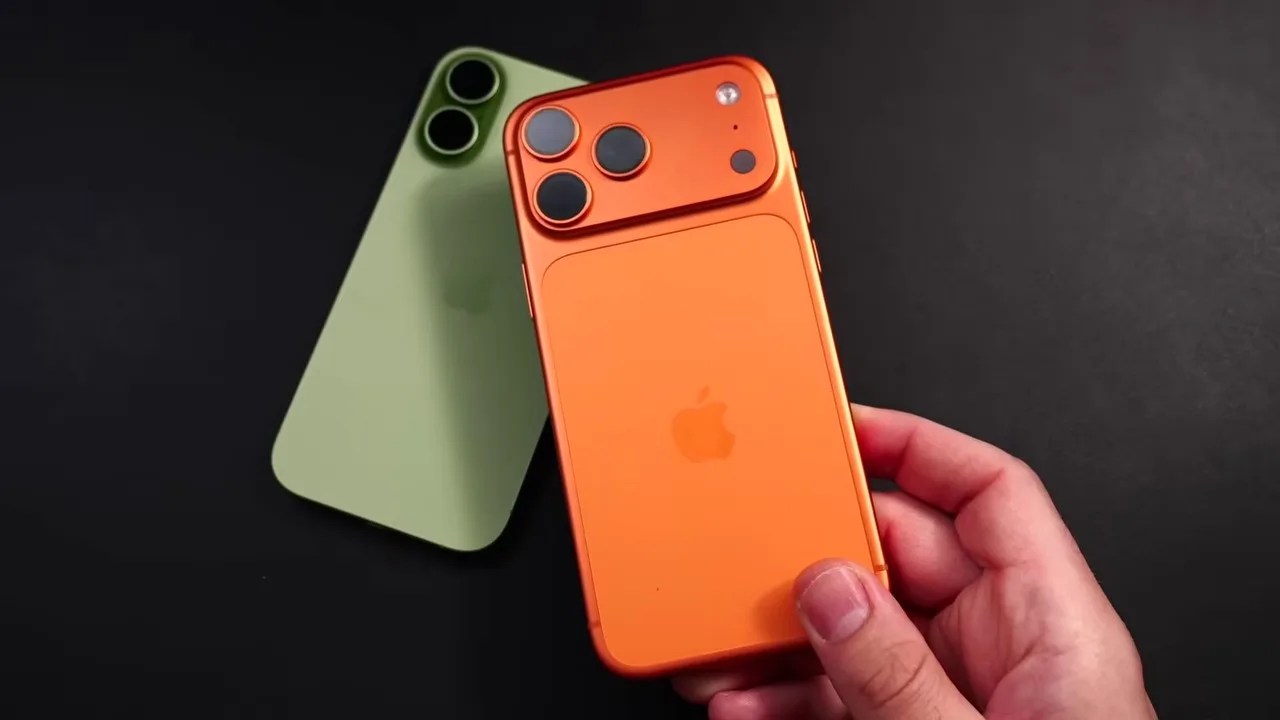
The final decision: Comfort and value with the iPhone 17, or raw power and endless battery with the Pro Max?
Frequently Asked Questions (FAQ)
1. Does the base iPhone 17 finally support a high refresh rate display?
Yes! For the first time on a standard model, the base iPhone 17 features Apple’s ProMotion display, offering a smooth, adaptive high refresh rate that makes scrolling and animations feel identical to the Pro Max.
2. Is the 8GB of RAM on the standard iPhone 17 enough for Apple Intelligence?
Currently, yes. Apple Intelligence features run smoothly on the base model. However, if you plan to keep your phone for more than four years, the 12GB of RAM on the Pro Max offers significantly better future-proofing as on-device AI models grow more complex.
3. Do both phones charge at the same speed?
Yes, in real-world testing, both the standard iPhone 17 and the Pro Max charge at approximately the same rate. However, because the Pro Max has a physically larger battery, it will take slightly longer to reach 100% from a completely dead state.