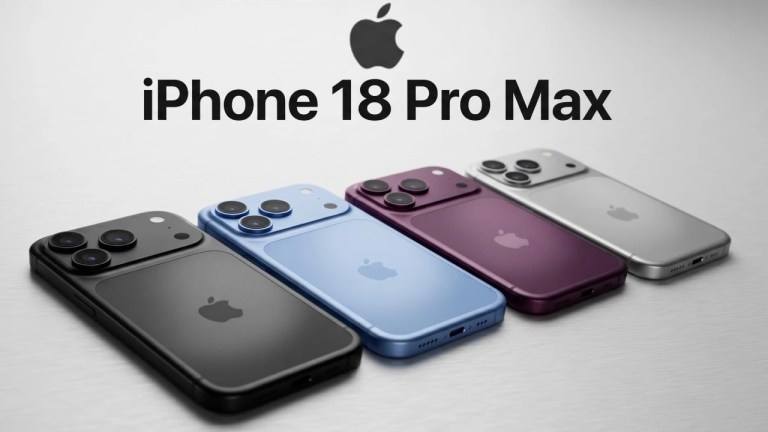
If you thought Apple was getting predictable, the latest wave of iPhone 18 leaks is about to shatter that assumption entirely. The tech giant is reportedly preparing for a seismic shift in how it builds, markets, and sells its most important product. For the first time in iPhone history, Apple is rumored to split its launch cycle right down the middle: three models dropping in September, and another three arriving in the spring.
As a tech journalist who has covered Cupertino’s moves for over a decade, this feels like a massive strategic gamble. Instead of a single, overwhelming autumn event, Apple wants to keep the hype train running year-round. In this first part of our deep-dive analysis, we are breaking down the first three heavy hitters scheduled for September: the iPhone 18 Pro, the iPhone 18 Pro Max, and the wild card that everyone is talking about—the foldable iPhone Ultra.
Decoding the iPhone 18 Leaks: September’s Power Trio
Before we dissect each device individually, let’s look at how these three premium models stack up against each other based on the physical dummy models and schematics leaked from the supply chain. This is not just a spec bump; it is a complete re-engineering of the pro-tier lineup.
| Feature | iPhone 18 Pro | iPhone 18 Pro Max | iPhone 18 Ultra (Foldable) |
|---|---|---|---|
| Form Factor | Standard Slab (8.7mm thick) | Standard Slab (8.7mm thick) | Foldable Book-style (11mm folded) |
| Processor | A20 Pro (2nm GAAFET) | A20 Pro (Enhanced Cooling) | A20 Pro (Maximum Thermal Area) |
| Main Camera | Variable Aperture | Variable Aperture | Fixed Wide + Ultra-wide (No Telephoto) |
| Battery Capacity | Standard Upgrade | ~5500 mAh | 5400 – 5800 mAh (High-density) |
| Connectivity | C2/C2X Custom Modem (5G Satellite) | C2/C2X Custom Modem (5G Satellite) | C2/C2X Custom Modem (5G Satellite) |
The iPhone 18 Pro: Smaller Island, Professional Optics
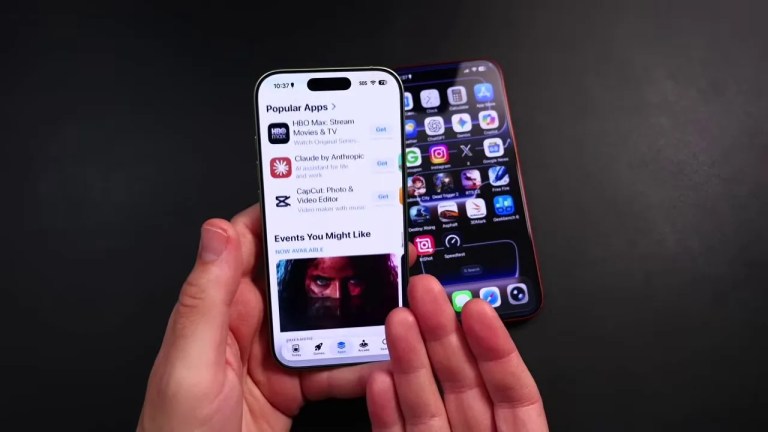
Let’s start with the heart of the enthusiast market: the standard iPhone 18 Pro. Physical dummy models have already slipped past Apple’s security dragnet, confirming some very specific design tweaks. The most immediately noticeable change when looking at the front of the device is the Dynamic Island. Apple has finally managed to shrink the Face ID sensor array, giving us a significantly smaller cutout that reclaims precious screen real estate.
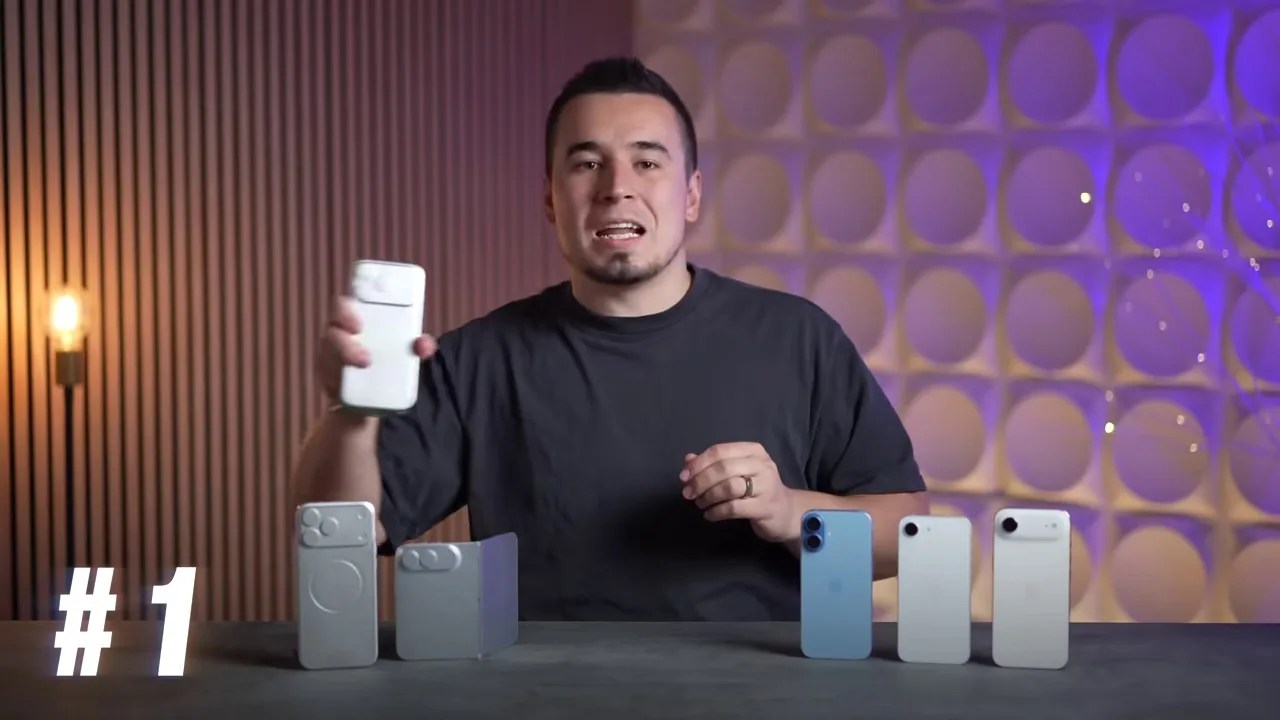
The dummy models tell a clear story: the Dynamic Island is finally shrinking, giving the display a cleaner, more immersive look.
While some early rumors suggested Apple would aggressively slim down the phone’s profile, the dummy models show the chassis thickness remains at 8.7 mm. However, the footprint is shifting slightly; it is both taller and wider. But the real structural drama is happening on the back. The camera plateau is noticeably thicker, and each individual lens module protrudes further than before. Why? Because Apple is finally bringing a mechanical variable aperture system to the main camera.
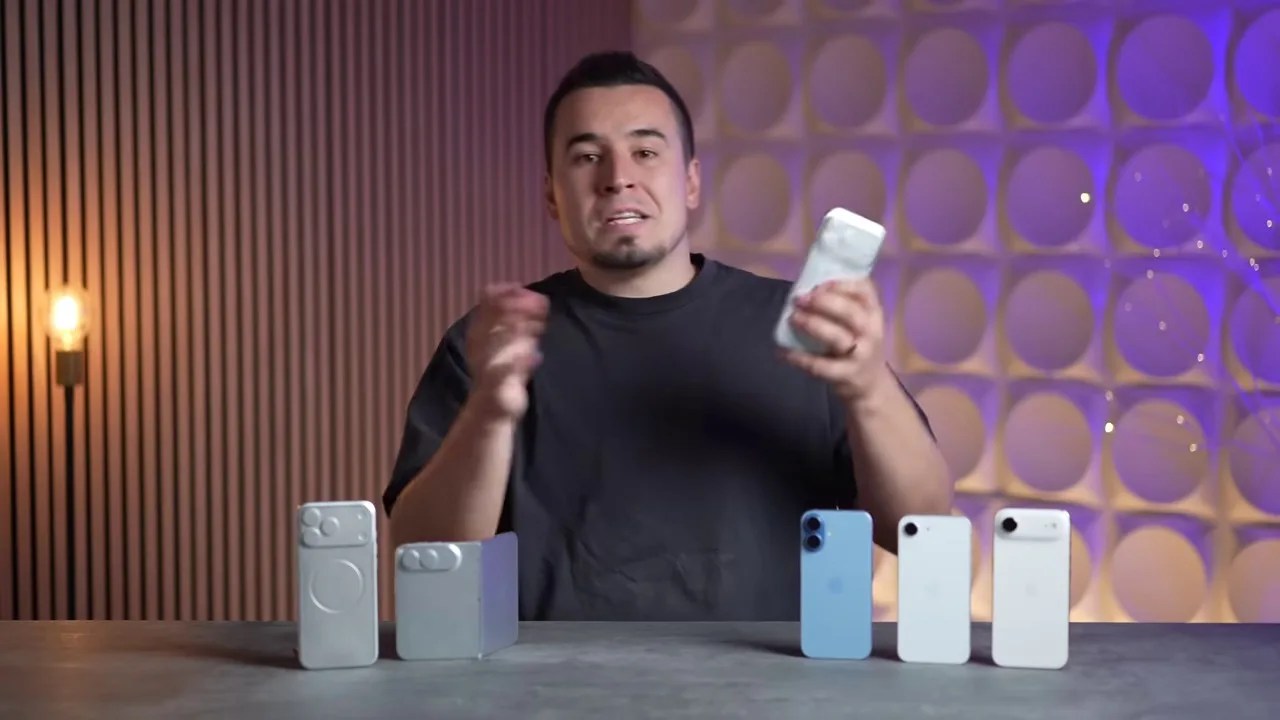
This isn’t just software trickery. The physical variable aperture mechanism requires real physical depth, explaining the beefier camera bump on the back.
For mobile photographers, this is a massive leap. Instead of relying solely on digital algorithms to blur the background, a physical variable aperture allows the lens to open and close mechanically, adjusting light intake and natural depth of field on the fly. This brings the iPhone 18 Pro closer than ever to the characteristics of a dedicated mirrorless camera.
The telephoto lens is also getting a major brain transplant. Leaks point to a new optical zoom teleconverter capable of switching dynamically between 4x and 5x optical zoom. This mechanical shift unlocks up to 10x lossless digital zoom, up from the 8x ceiling on current models. Up front, the selfie camera leaps from 12 megapixels to a highly detailed 24-megapixel sensor.

Under the hood, the A20 Pro chip is transitioning to TSMC’s cutting-edge 2nm GAAFET process, promising unprecedented efficiency gains.
Powering this camera array is the upcoming A20 Pro chip. This is a massive milestone: it is the first Apple silicon built on TSMC’s ultra-advanced 2-nanometer GAAFET (Gate-All-Around Field-Effect Transistor) technology. Moving away from FinFET means tighter control over current leakage, resulting in the most substantial efficiency and battery life gains we have seen in generations.
To top it off, Apple is introducing its custom C2 (or C2X) modem. This isn’t just another incremental 5G chip; it is rumored to support full 5G satellite connectivity. We are talking about true off-grid data and communication, moving far beyond the basic emergency SOS text messages of yesterday.
The iPhone 18 Pro Max: Thermal Mastery & Extreme Battery
If the standard Pro is about packing professional tools into a manageable size, the iPhone 18 Pro Max is about pushing physical boundaries. According to the latest iPhone 18 leaks, the Pro Max is pushing its battery capacity to a massive 5500 mAh.
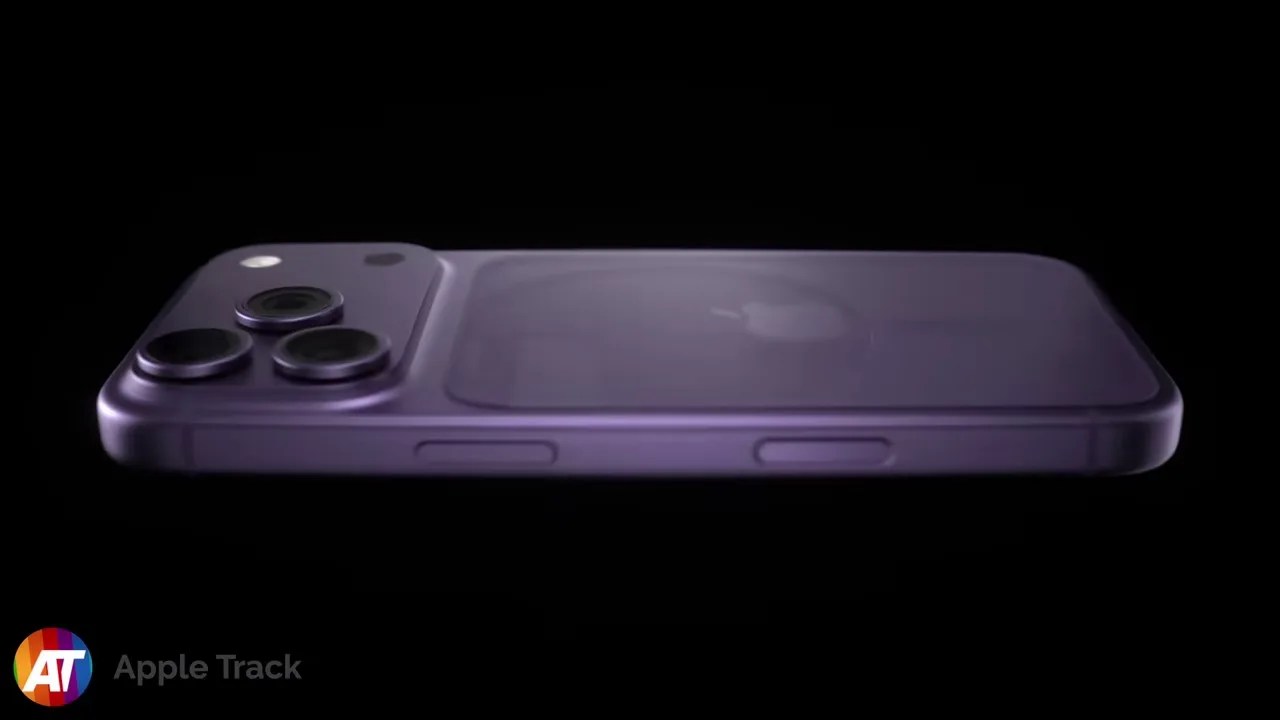
A massive jump in battery capacity: The Pro Max is leverage high-density cell chemistry to hit a projected 5500 mAh threshold.
But battery life is only half the story. The real secret weapon of the Pro Max is its thermal headroom. The 2nm A20 Pro chip is immensely powerful, but high-end performance generates heat. Because of the Pro Max’s larger surface area, Apple is integrating a vastly superior graphite and metal cooling system. This extra thermal dissipation space means the A20 Pro can sustain peak clock speeds for much longer without thermal throttling. If you are a mobile gamer or export ProRes video on the go, the performance gap between the Pro and the Pro Max will be wider than ever.
As has become tradition, the Pro Max will remain the exclusive home for the ultra-premium 2 TB storage tier. And for those who care about aesthetics, Apple is refreshing the design language with some gorgeous new colorways.
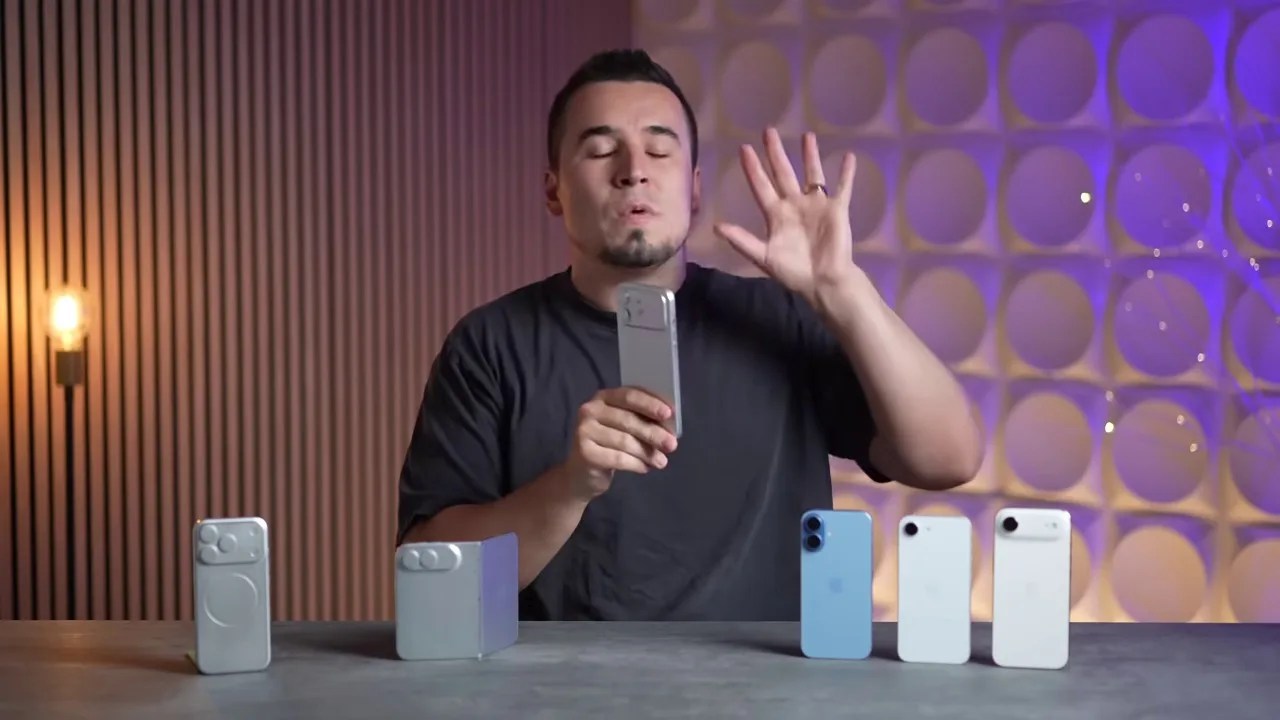
Out with the old, in with the bold: Apple is experimenting with a stunning Deep Wine Red and an incredibly stealthy, near-black Dark Gray.
There are also persistent rumors that Apple is re-engineering the rear glass panel. The goal is to make the back glass either slightly semi-transparent or far more color-matched to the titanium frame, solving the visual mismatch that some users criticized on the current generation.
The iPhone Ultra: Apple’s First Real Foldable Gamble
Now, let’s talk about the absolute showstopper. For years, skeptics wondered if Apple would ever enter the foldable market. The answer, according to these physical dummy units, is a resounding yes. Meet the iPhone Ultra.
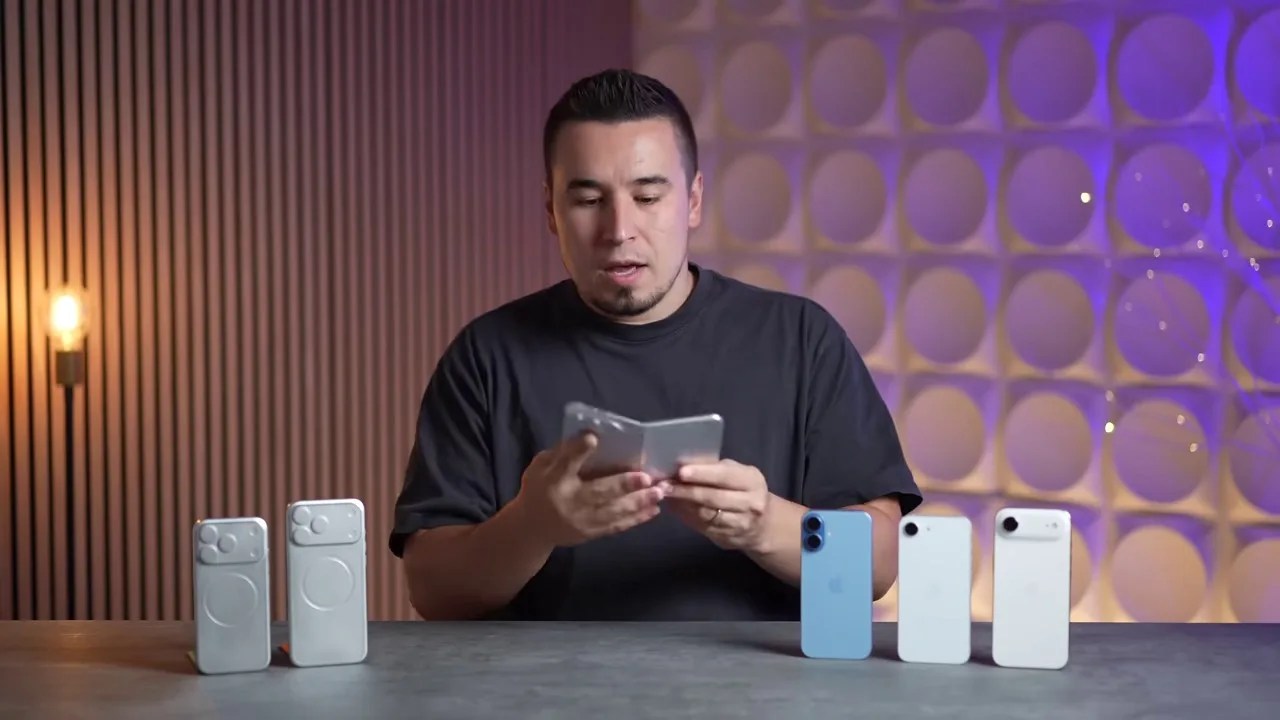
The iPhone Ultra in the hand. When folded, it is shorter and wider than a Pro Max, making it surprisingly comfortable for one-handed use.
What makes the iPhone Ultra so intriguing is its ergonomics. Unlike some competitive foldables that feel like narrow, awkward TV remotes when closed, the Ultra adopts a wider, highly usable aspect ratio. Because it is shorter than the Pro Max, your thumb can easily reach the top corners of the outer display. Yes, it is thick—coming in at around 11 mm when closed—but it remains highly pocketable.
On the back, the camera housing is massive. Apple isn’t skimping on sensor size here; the wide and ultra-wide cameras are expected to match the high-end quality of the Pro line. The trade-off? There is no physical room left for a dedicated telephoto camera. If you want extreme zoom, you will have to stick to the Pro Max.
However, Apple’s engineering team has focused its energy on solving the biggest headache of the foldable industry: the display crease.
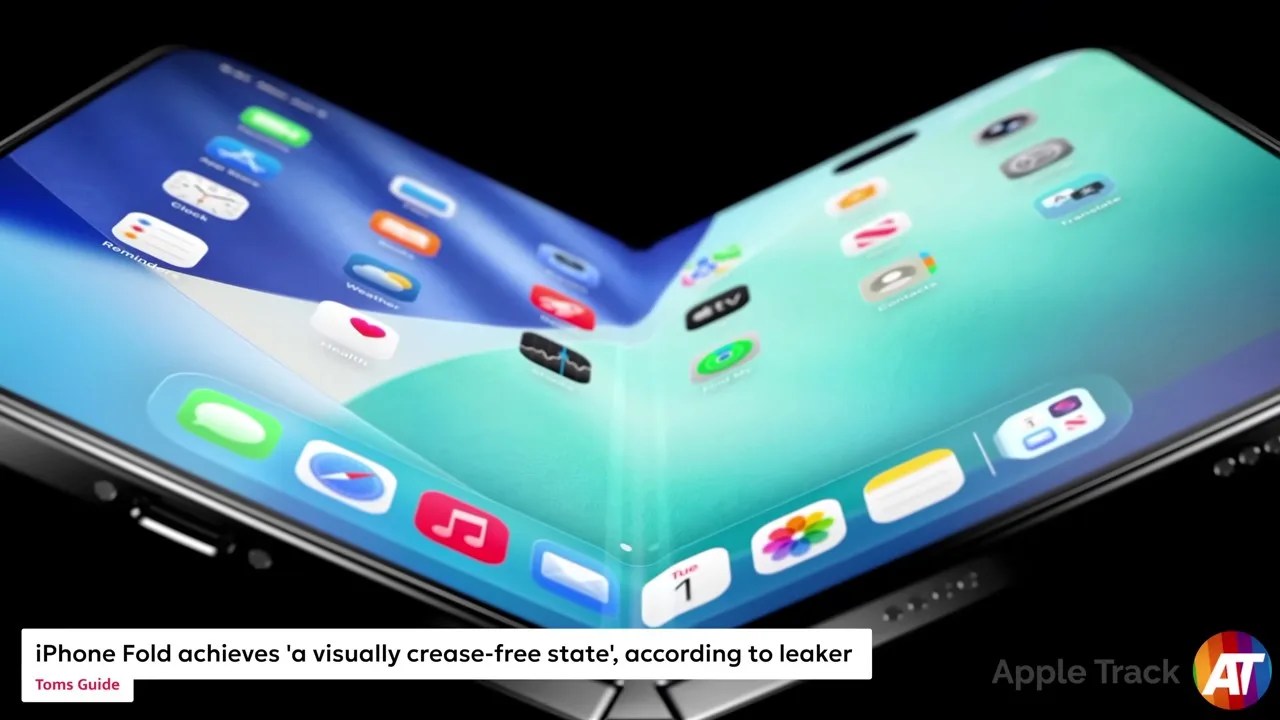
Engineered to last: The liquid metal hinge mechanism allows the display to bend into a teardrop shape internally, eliminating the dreaded screen crease.
By utilizing a proprietary liquid metal hinge, the iPhone Ultra allows the flexible screen to gently fold back into a teardrop shape inside the body when closed. The result? A display that is reportedly entirely crease-free when unfolded, offering a seamless canvas that feels incredibly premium.
Inside, the massive footprint of the unfolded screen acts as a giant heatsink, allowing the A20 Pro chip to run at its absolute limits. Combined with high-density battery technology, the Ultra is rumored to house a staggering 5400 to 5800 mAh dual-cell battery, potentially setting a new record for iPhone endurance.
There are some compromises, of course. To keep the profile as thin as possible when unfolded, Apple has reportedly removed the physical Action Button, likely shifting those custom actions into the capacitive Camera Control sensor.
But this is only half of the story. While September promises to be an absolute blockbuster with these three premium powerhouses, Apple’s new strategy means the spring will bring an entirely different kind of disruption. In Part 2, we will dive deep into the remaining three models: the redesigned iPhone SE, the ultra-slim iPhone Air 2, and the standard iPhone 18.
…Face ID. Because the device is incredibly thin when unfolded, Apple simply couldn’t fit the complex TrueDepth camera array into the bezel. Instead, they are reverting to a classic: Touch ID integrated directly into the power button.
It is a compromise, yes, but Apple is softening the blow with a redesigned speaker system. By utilizing a diagonal layout—positioning one speaker on the top left and the other on the bottom right—the Ultra will deliver a highly immersive spatial audio experience that adapts as you rotate the device. However, all this cutting-edge engineering won’t come cheap. Expect the iPhone Ultra to start at a jaw-dropping $2,000. It is a bold statement piece designed for early adopters who want the absolute bleeding edge of Apple’s engineering.
The Spring Wave: Redefining Value and Power
While the tech world will still be digesting the September releases, Apple won’t be resting on its laurels. According to the latest iPhone 18 leaks, the spring of 2027 will bring three more devices aimed at broader consumer segments. This split-release cycle is a brilliant tactical move, keeping Apple in the headlines year-round and preventing their entry-level models from being overshadowed by the Pro giants.
The Base iPhone 18: Siri 2.0 and the 12GB RAM Leap
The standard iPhone 18 will spearhead the spring launch. While the physical rear design remains largely unchanged, the front gets a major facelift. The smaller Dynamic Island trickles down from the Pro line, and it is not just for looks. This hardware change is designed to house the next-generation Siri 2.0.
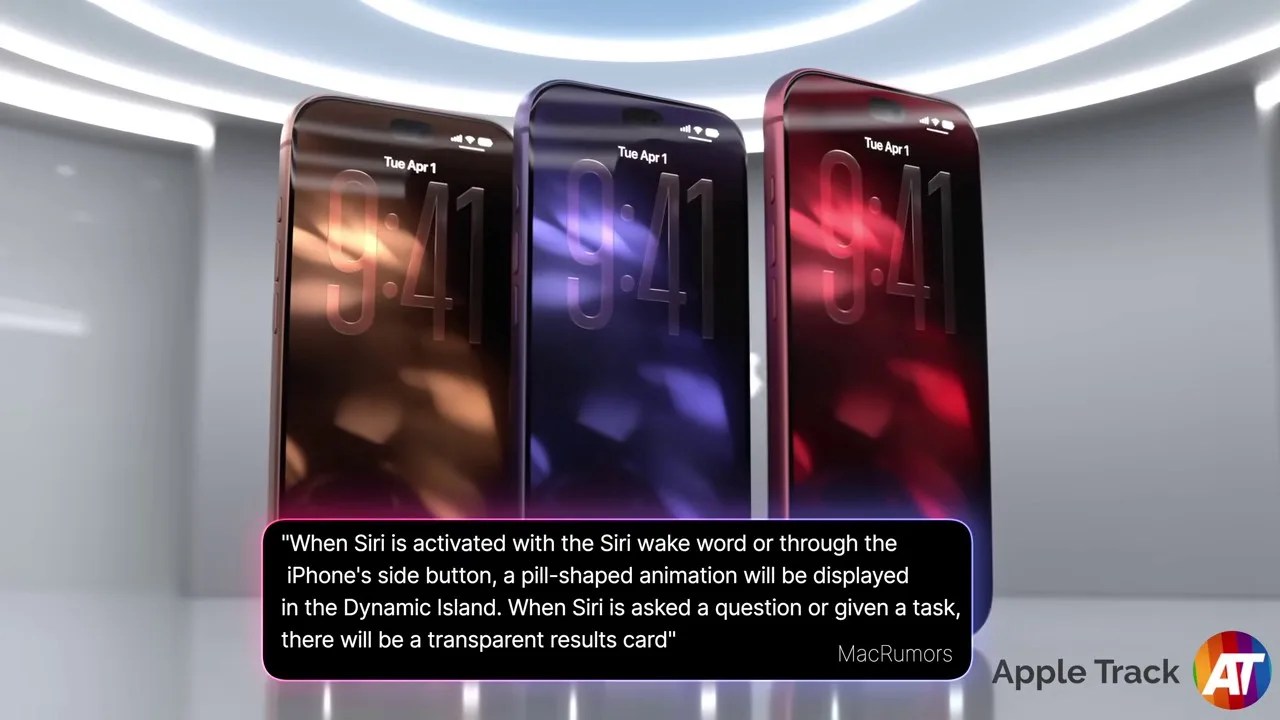
Siri 2.0 is rumored to live directly inside the redesigned Dynamic Island, offering highly contextual, real-time visual feedback.
To support these heavy local AI processing demands, Apple is making a massive, unexpected change: upgrading the base model to 12 GB of RAM (up from 8 GB on the previous generation). This is a critical upgrade. Running advanced LLMs like Google Gemini and Apple’s native on-device intelligence requires massive memory pools to run smoothly in the background without killing active apps.
To keep the price locked at a highly competitive $799 amidst rising chip manufacturing costs, Apple is implementing some clever cost-saving measures:
- Simplified Camera Control: A pressure-sensitive button that drops the expensive capacitive swipe gestures.
- Binned Silicon: A slightly cut-down 4-core GPU variant of the standard A20 chip.
- Slightly Dimmer Display: Utilizing a more cost-effective OLED panel that doesn’t hit the extreme peak brightness of the Pro models.
The iPhone 18E: Ditching the Notch at Last
For budget-conscious buyers, the most exciting news in these iPhone 18 leaks is the arrival of the iPhone 18E. This device represents the final nail in the coffin for Apple’s ancient notch design.
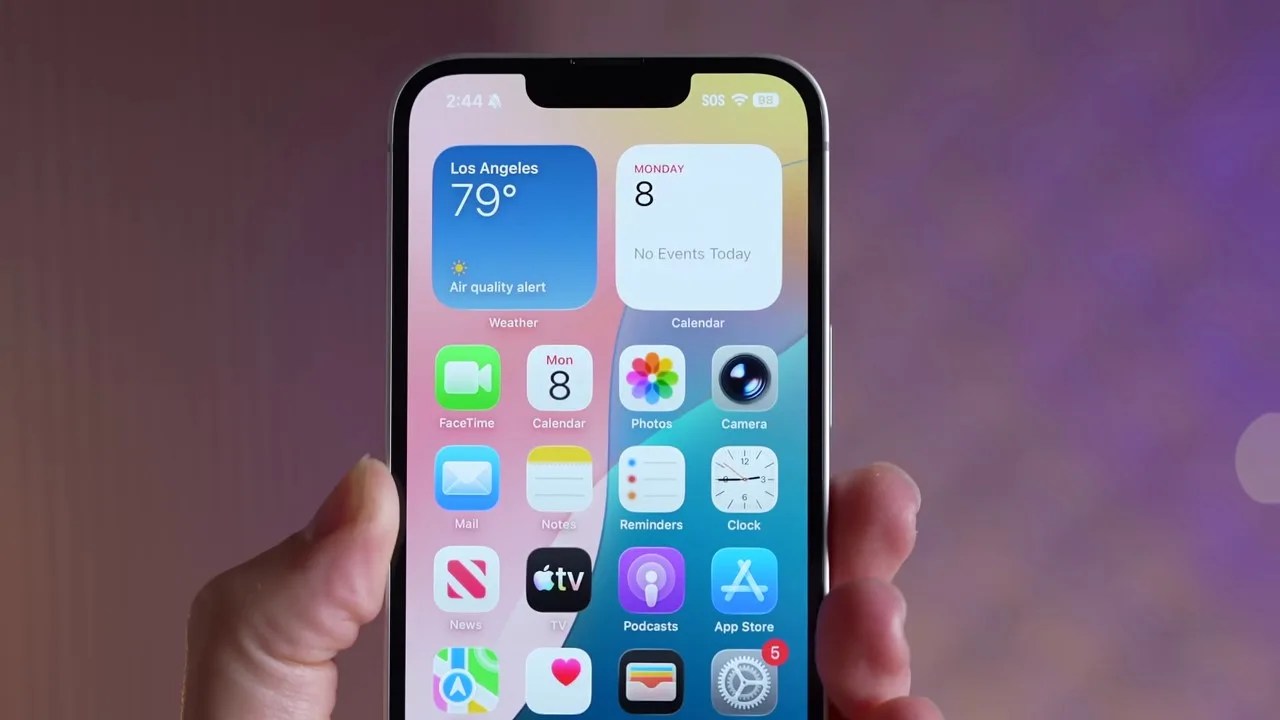
Out with the old: The budget-friendly iPhone 18E finally transitions to the modern Dynamic Island, instantly modernizing Apple’s entry-level offering.
By bringing the Dynamic Island and ultra-thin bezels to the $599 price point, Apple is giving budget-conscious upgraders a massive visual reason to buy. While the display will remain locked at a standard 60Hz and the rear camera will stay a single-lens affair, the 18E gets the same A20 chip as its more expensive sibling. Add in an upgraded 25-watt MagSafe charging speed (up from 15W) and a generous 256GB base storage configuration, and the iPhone 18E shapes up to be an absolute volume seller globally.
The iPhone Air 2: Stereo Sound and Dual Cameras
Finally, we have the highly anticipated sequel to Apple’s super-thin experiment: the iPhone Air 2. The first-generation Air was a marvel of thinness but drew heavy criticism for its compromises—namely, a single rear camera and an underwhelming mono speaker in the earpiece.
Apple has clearly listened to feedback. The Air 2 is getting upgraded to a dual-camera system (Wide and Ultra-Wide) housed in a unique, horizontally stretched camera plateau.
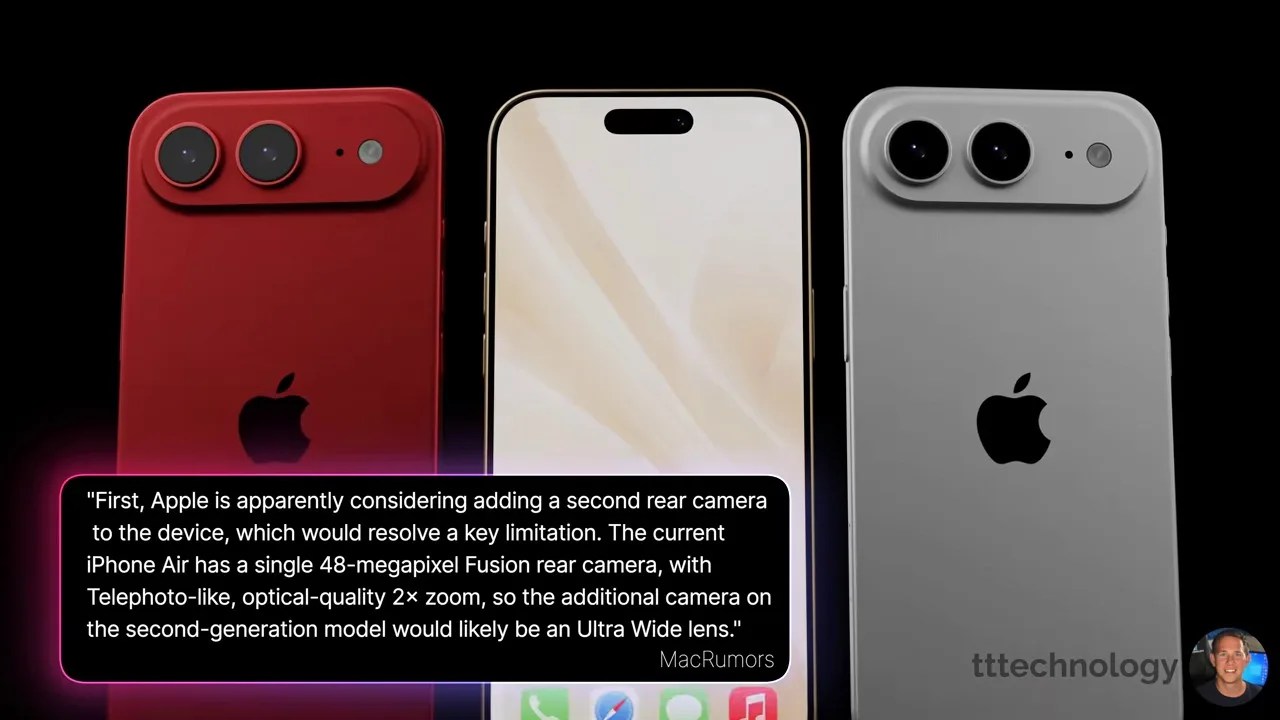
A massive design upgrade: The iPhone Air 2 adopts a sleek, horizontal dual-camera layout that spans the width of the device.
Furthermore, Apple is introducing true stereo speakers to the Air 2, resolving the biggest audio complaint of its predecessor. Under the hood, it will run a binned version of the A20 Pro chip, paired with a specialized vapor chamber cooling system to keep the paper-thin chassis from overheating. Despite these massive upgrades, pricing is expected to hold steady, making the Air 2 one of the most compelling aesthetic choices in the entire lineup.
The Verdict: Apple’s Most Ambitious Lineup Ever
By splitting the launch of these six distinct devices across September and Spring, Apple is executing a masterclass in market segmentation. Whether you want the ultra-premium foldable future of the iPhone Ultra, the thermal-sustained power of the Pro Max, the thin profile of the Air 2, or the sheer value of the 18E, there is a tailored option waiting for you. This is no longer a one-size-fits-all lineup; it is an ecosystem designed to capture every single price bracket and form factor preference on the planet.
Frequently Asked Questions (FAQ)
Q1: Will the variable aperture on the iPhone 18 Pro be automatic or manual?
It is expected to be hybrid. Apple’s computational software will automatically adjust the physical blades based on lighting conditions and depth-of-field needs, but a manual slider within the Pro Camera app will allow photographers to lock in their desired aperture.
Q2: Why is the iPhone Ultra foldable so much more expensive than the Pro Max?
The $2,000 price tag is driven by the complex liquid metal hinge mechanism, the custom dual-cell high-density batteries, and the incredibly low yields of the flexible, crease-free main display panel.
Q3: Is the 12GB of RAM on the base iPhone 18 really necessary?
Yes. To run advanced, on-device AI models (including Siri 2.0 and integrated third-party LLMs like Google Gemini) without causing system lag or aggressively closing background apps, 12GB of RAM is fast becoming the baseline standard for modern smartphones.