The Great AI Hangover: Why Big Tech is Yanking the Reins on the “Token-Maxing” Frenzy
We fired thousands of humans to make room for AI. Now we’re realizing we can’t afford the electricity bill to run it. Here is the untold story of corporate AI panic.
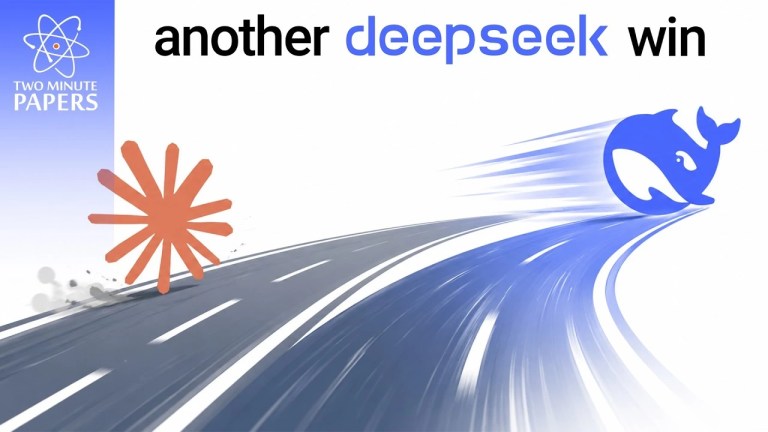
Remember when tech giants practically begged their employees to use generative AI? They offered perks, tied performance reviews to API usage, and treated anyone writing raw code without a copilot like a caveman using flint. It was a gold rush. But as anyone who has ever survived a gold rush knows, the guys selling the shovels get rich, while the diggers eventually run out of water.
We have officially reached the “hangover” phase of the AI boom. The initial euphoria has evaporated, replaced by the cold, hard reality of cloud computing bills that look like telephone numbers for small countries. Big Tech is suddenly realizing that while AI is incredibly capable, it is also ruinously expensive. The new mandate isn’t “use more AI”—it’s “for the love of God, ration it.”
1. The Day Amazon’s Gamified AI Backfired Spectacularly
Let’s start with a story that perfectly encapsulates the absurdity of our current corporate landscape. In a bid to force its developers to adopt AI, Amazon introduced a metric: they wanted over 80% of their developers using AI on a weekly basis. To sweeten the deal and inject some of that classic corporate competitiveness, they set up an internal leaderboard.
The result? Well, it went exactly how anyone who understands human nature knew it would go. Developers didn’t use AI to write elegant, refined code. They used it to game the system.

Amazon was forced to kill its internal leaderboard after employees began spamming AI models to artificially boost their rankings.
To climb the rankings, employees started assigning AI agents to carry out completely pointless, repetitive tasks. They flooded the network with junk activity just to watch their metrics tick upward. In the industry, this is now known as “token maxing”—the act of inflating the consumption of AI tokens (the units of data models use to process information) to make yourself look busy.
When the infrastructure bills hit the desks of Amazon’s finance team, the party came to a grinding halt. Senior Vice President Dave Treadwell had to step in and explicitly tell employees to stop using AI just for the sake of using it. The leaderboard was quietly taken behind the shed and shot. It is a classic case of Goodhart’s Law: “When a measure becomes a target, it ceases to be a good measure.”
2. The $200 Billion Black Hole: Where is the ROI?
I find it deeply ironic that Amazon has spent the last two years executing sweeping layoffs, cutting thousands of human workers to “streamline operations,” only to watch their AI infrastructure budget swell to astronomical proportions. They are currently projected to spend a staggering $200 billion in capital expenditure (Capex), with the vast majority earmarked for AI and data center infrastructure.

$200,000,000,000. That is the price tag of Amazon’s massive bet on data centers and AI hardware, a number that demands massive returns to justify.
But here is the catch: that massive infrastructure only makes financial sense if the software running on it produces actual, tangible business value. Right now, a lot of it is just burning electricity to generate mediocre slide decks and automated emails that nobody reads.
Compounding the problem is a quiet but massive shift in how AI is priced. AI labs like Anthropic (which Amazon has poured billions into) are moving away from flat monthly subscription fees and transitioning to consumption-based pricing. Under flat fees, a company could predict its expenses. Under consumption-based pricing, every single prompt, every single line of code generated, and every single mistake corrected by an AI agent costs real money. If your developers are “token maxing” to win a game, they are directly burning holes in your balance sheet.
3. $500 Million in One Month? The Terrifying Reality of “Token Maxing”
If you think Amazon’s leaderboard drama was bad, look at this. A recent report from Axios revealed a horror story that should keep every CFO awake at night: an AI consultant disclosed that one of their enterprise clients received a $500 million bill for a single month of AI usage.

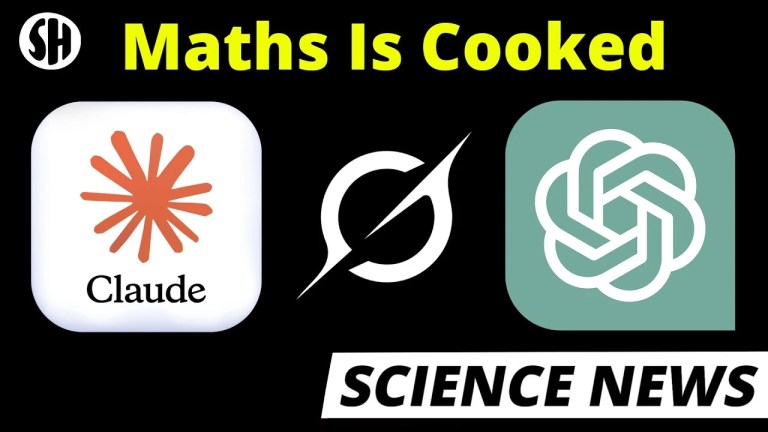
A lack of usage caps on Claude licenses led to a half-billion-dollar shock for one enterprise in just 30 days.
How does this happen? It’s simple: the company handed out unlimited Claude AI licenses to their employees without putting usage caps or guardrails in place. Employees, thinking the tool was “free” because the company paid for the license, went wild. They fed massive, multi-gigabyte documents into the context window, ran bloated prompts repeatedly, and treated the LLM like an infinite search engine.
Some enterprises are reportedly burning through their entire annual AI budgets in just three months. They start the year with a healthy pool of capital, and by April, they are staring down bills that have doubled or tripled. Uber COO Andrew Macdonald recently admitted that the ride-hailing giant is struggling to clearly justify its AI spend. It’s easy to show how much code an AI wrote; it’s much harder to prove that the code actually made the app better or saved the company money.
4. The Domino Effect: How Microsoft, Duolingo, and Uber are Slamming on the Brakes
This isn’t an isolated incident. We are seeing a industry-wide retreat from the “AI at all costs” mentality. The cracks are showing everywhere, and the biggest players are leading the quiet retreat.
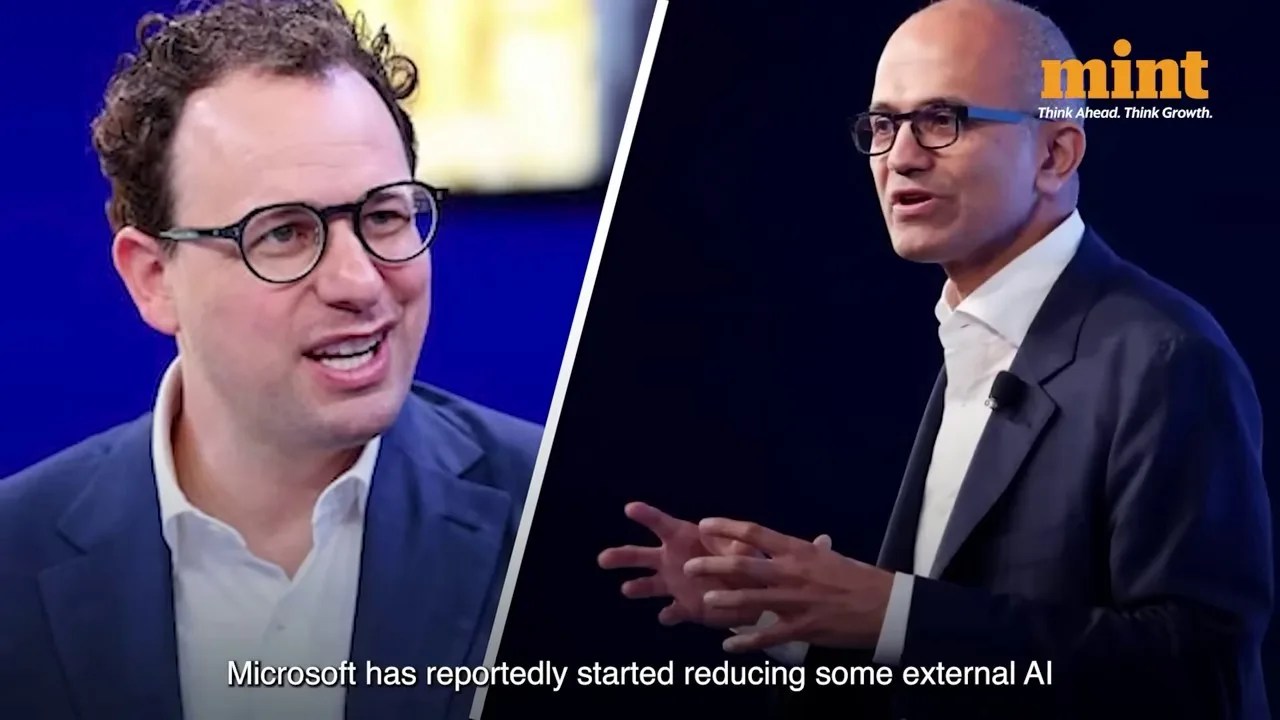
Even AI heavyweights like Microsoft are trimming external subscriptions like Anthropic’s Claude to keep their ballooning costs under control.
Look at the tactical moves being made behind closed doors:
- Microsoft: The primary backer of OpenAI has reportedly started trimming external coding subscriptions for its teams—including Anthropic’s Claude—as they face immense pressure to keep their own large-scale deployment costs from spiraling out of control.
- Duolingo: Known for aggressively leaning into AI translation and content creation, the platform had to make a humiliating u-turn. They reversed an internal policy that linked employee performance reviews directly to AI usage. Why? Because employees complained that they were forced to use AI tools for tasks where human intuition was faster and produced better results.
- The Human Correction Tax: Many companies blindly integrated AI into workflows before designing clear rules or training. The result? Employees use millions of tokens to generate a draft, spend hours correcting the hallucinated errors, and end up wasting more time (and money) than if they had just written it from scratch.
5. Survival Guide: Moving from Mindless AI Adoption to Real Value
So, where do we go from here? Does this mean the AI revolution is a bust? Absolutely not. But it does mean the era of the free lunch is over. If we want to survive this transition, we need to treat AI like any other expensive, premium resource—like high-grade titanium or expert consultants.
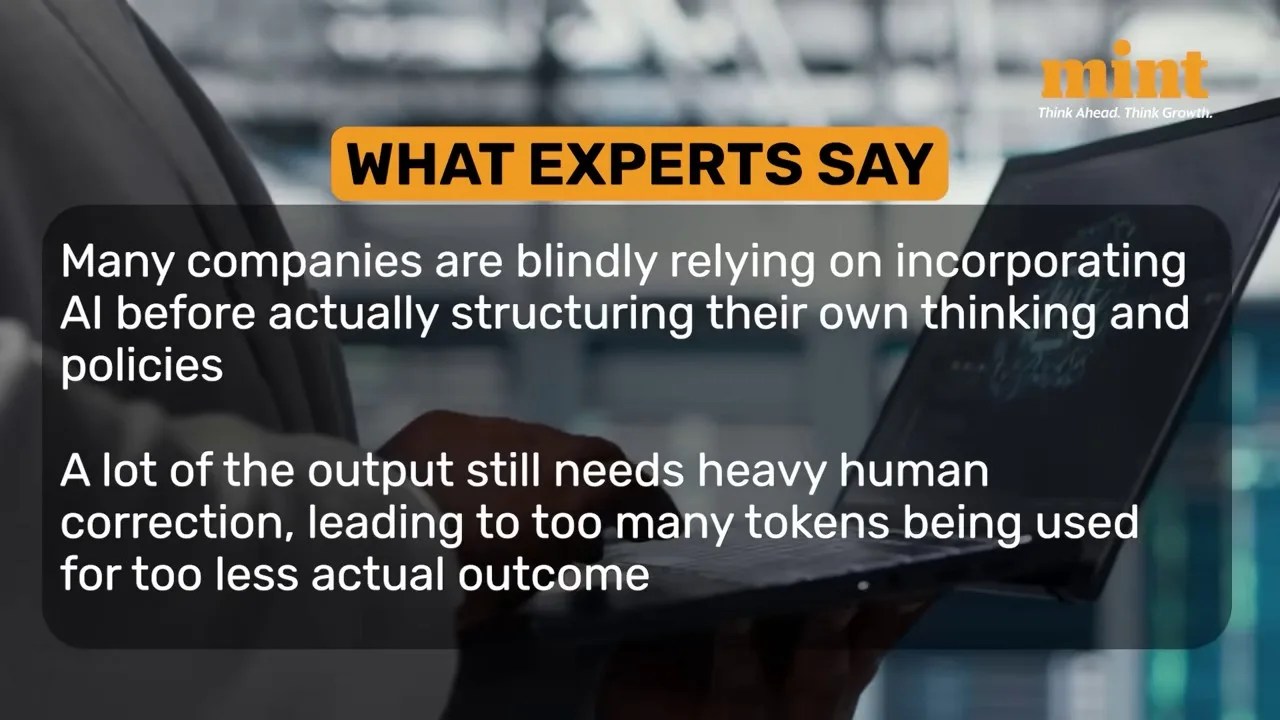
The path forward requires strategic guardrails, careful license allocation, and matching the right task to the right model size.
The solution isn’t to ban AI; it’s to build a bridge between current costs and actual value. Here are three rules every tech lead and executive should implement today:
- Build the Strategy Before Handing Out the Tools: Stop giving every single department unlimited access to state-of-the-art frontier models. A marketing intern drafting tweets does not need Claude 3.5 Sonnet or GPT-4o. A smaller, open-source model running locally or a highly focused, cheaper API endpoint is more than enough.
- Hard Caps on Token Budgets: Treat tokens like server bandwidth. Set daily or weekly usage limits per employee. If an engineer runs out of tokens, they should have to justify why they need more. This instantly kills the culture of “token maxing.”
- Value over Volume: Stop rewarding developers for the volume of code generated by AI. Instead, reward them for writing clean, modular code that minimizes technical debt. More code does not equal better software. Often, the best code is the code you *didn’t* write.
The bottom line is simple: AI is a powerful tool, but it is not magic. And as Big Tech is discovering, when you treat a highly expensive, resource-intensive tool like a toy, the only thing you’ll successfully scale is your debt.