Let’s be brutally honest for a second: are you not incredibly bored of the word “AI” yet?
Every single tech company on the planet has spent the last eighteen months screaming about large language models, putting chatbot sidebars where nobody wants them, and slapping an “AI” label on everything from refrigerators to toothbrushes. We’ve reached peak hype fatigue. The average person doesn’t want another clunky chatbot to argue with; they just want their expensive pocket computer to work a little bit better.
But while the tech world was busy crowning new AI kings and watching startups burn through billions, Apple was quietly playing a very different, much more calculated game. This fall, with iOS 18, they are about to pull off their favorite trick: making you care deeply about a technology you thought you were completely over. Not by making it flashier, but by making it invisible.
1. The Invisible Engine: Apple’s Long Game with On-Device ML
We’ve all heard the narrative: “Apple is hopelessly behind in the AI race.” On paper, it makes sense. They didn’t launch a GPT rival in 2023, and Siri has remained, well… frustratingly Siri for a decade. But this narrative completely misses how Apple builds things. They didn’t start thinking about machine learning last Tuesday.
Long before “AI” became a venture capital buzzword, Apple was shipping dedicated Neural Engines in their custom silicon. They built features that you probably use every day without realizing they are powered by sophisticated machine learning.
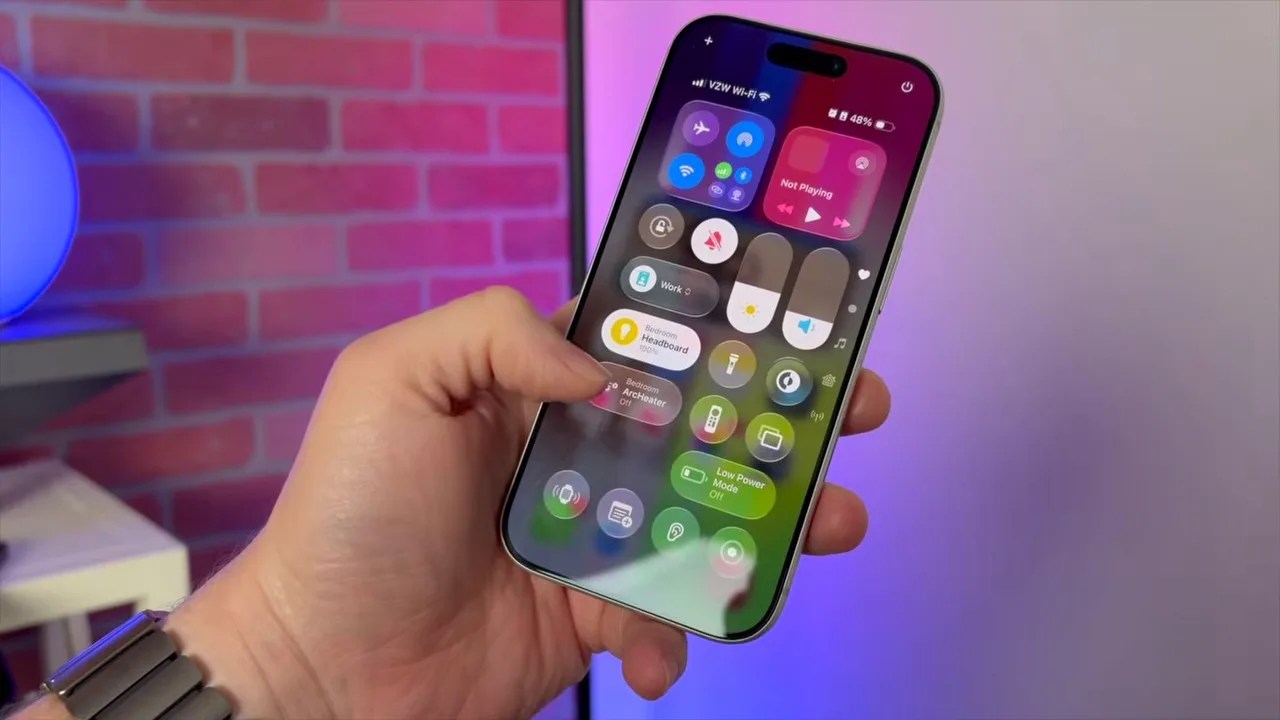
The magic of invisible utility: On-device ML predicting your next move without sending a single byte to the cloud.
Think about the small stuff. You jump into your car, and your phone instantly suggests a route to the gym on Maps because it knows you usually go there at 5:30 PM on Thursdays. You pull down your Control Center at night, and the exact smart light switch you want to turn off is already sitting there, waiting for you.
“That is the quintessential Apple experience: technology that behaves like magic, where you don’t ask how it knows—it just knows.”
With iOS 18, this philosophy of “invisible utility” is going into overdrive. Apple isn’t trying to sell you on the science of neural networks; they are packaging those networks into tiny, practical quality-of-life upgrades that run directly on your silicon.
2. Siri’s New Face: Dynamic Island, Chatbots, and the Gemini Equation
Let’s address the elephant in the room: Siri needs a massive upgrade. The rumors suggest iOS 18 will deliver exactly that, and the physical manifestation of this upgrade is a brand-new interface that lives right inside the Dynamic Island.
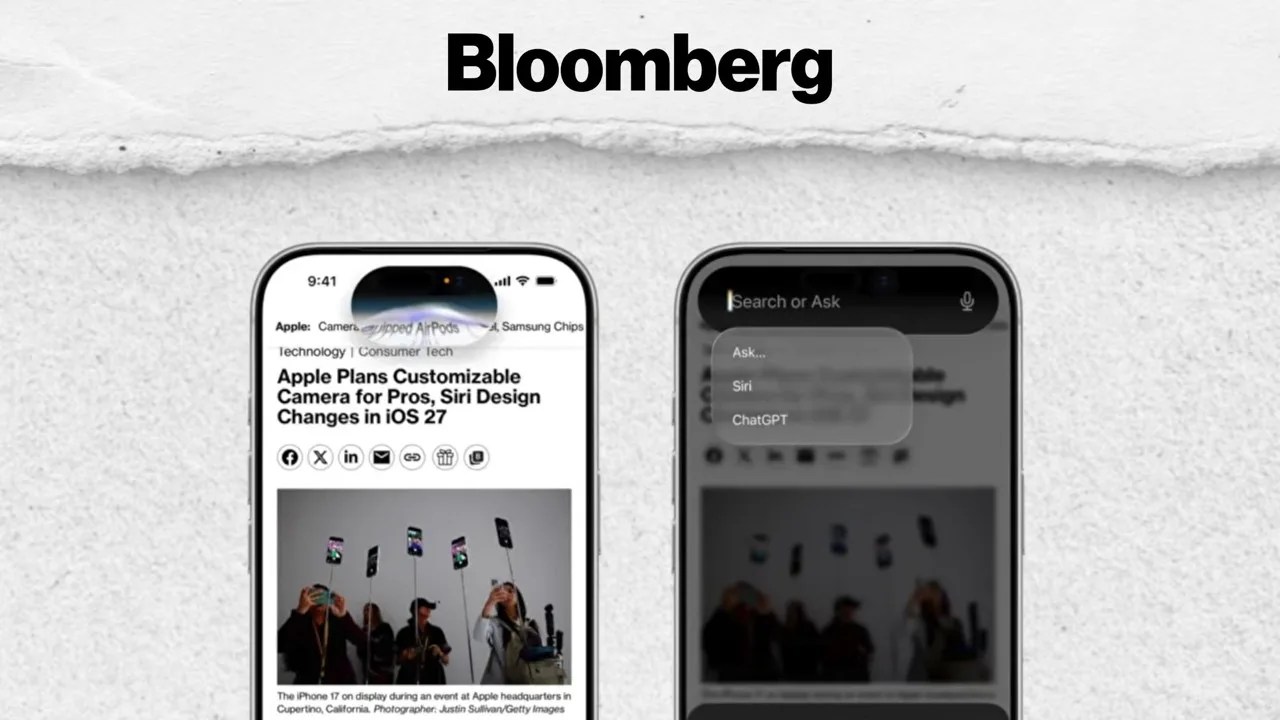
Siri is migrating to the Dynamic Island, ditching the old glowing orb for a persistent, context-aware chatbot interface.
This isn’t just a cosmetic lick of paint. This new interface is designed to consciously distance the assistant from its legacy limitations. You will finally get a dedicated app interface for Siri that acts like a private chatbot—complete with conversation history and context retention.
But here is where Apple’s strategy gets fascinatingly pragmatic. They are partnering with external players, like Google Gemini, but they are doing it on their own terms. Instead of relying purely on cloud APIs that lag, eat up battery, and compromise your data, Apple is using high-level models to train smaller, ultra-optimized local versions that run natively on your iPhone.
Why does this matter? Privacy and context. Because your phone processes this data locally, Siri can safely scan your live location, your personal calendar, and your health metrics to answer highly specific questions like, “Can I make it to my doctor’s appointment on time if my current meeting runs 15 minutes late?” Try asking ChatGPT that without uploading your entire life story to a corporate data center.
3. The Wildest Wildcard: An App Store for AI Models
If you think Apple is going to force you into a single, closed-door AI ecosystem, think again. One of the most ambitious whispers out of Cupertino is the development of a dedicated App Store for AI models.
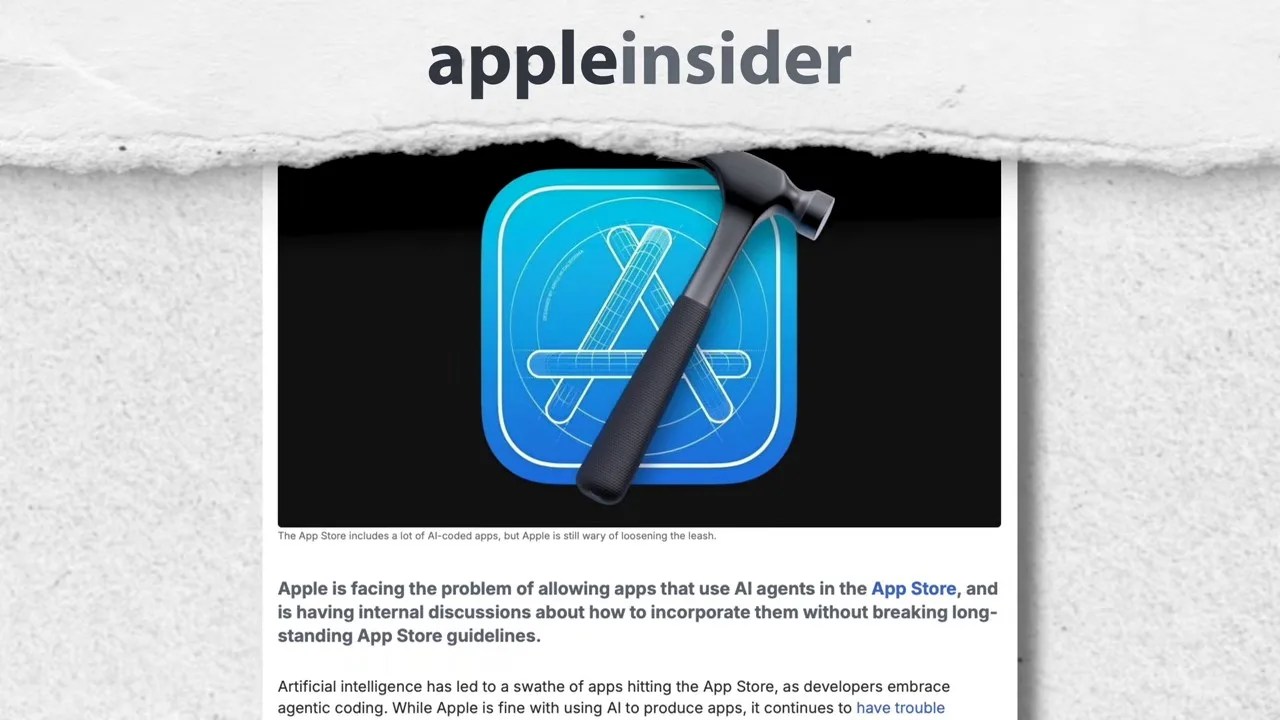
Could Apple bypass the AI monoculture? A modular store for specialized models could change how we interact with apps.
Imagine this: instead of relying on a generic, one-size-fits-all AI, you could download specialized models directly to your device. Need a highly precise code-writing assistant? Download a model optimized for Swift. Need an artistic collaborator that understands regional design trends? Install a localized creative model.
This approach plays beautifully with Apple’s existing App Intents framework. Rather than a chatbot living in an isolated web browser tab, these models will act as systemic plugins. They will have on-screen awareness, meaning they can see what you are looking at and execute complex tasks across multiple third-party apps simultaneously. It is a level of deep-tissue system integration that Google and Microsoft are desperately trying to replicate, but Apple already has the ecosystem foundation to pull off seamlessly.
4. Reframe, Extend, and the Psychology of “Custom Wallpapers”
Of course, it wouldn’t be an iOS update without some flashy creative tools. Apple is introducing two highly practical generative photo features under the Apple Intelligence umbrella: Reframe and Extend.

Fixing human errors with generative pixels: Reframe handles the composition, while Extend invents what’s outside the frame.
We’ve all taken photos where we accidentally cut off someone’s shoes or misaligned the horizon. Reframe acts like a digital director, automatically analyzing the elements in your photo to find the perfect crop and composition. Extend, on the other hand, utilizes generative AI to quite literally paint outside the lines—generating realistic textures, backgrounds, and lighting to fill in the blank spaces when you try to expand an image beyond its original boundaries.
And then there’s Image Playground, which will allow users to generate custom wallpapers. Now, I can already hear the hardcore tech enthusiasts groaning in the comments: “Who cares about wallpapers?”
Well, let me let you in on a little industry secret: normal people care immensely about wallpapers. There is a reason why basic personalization and custom icon packs consistently dominate the App Store top charts. It’s an easy, low-friction way for casual users to play with generative AI without having to learn complex prompt engineering. It makes the technology feel like a toy rather than a chore.
5. Demystifying Shortcuts: Smart Homes for Normal People
If there is one feature in iOS that is incredibly powerful but criminally underused, it’s Shortcuts. Most users never touch it because building an automation feels way too much like writing code. Apple wants to change that by letting you build complex Shortcuts using nothing but plain, conversational English.
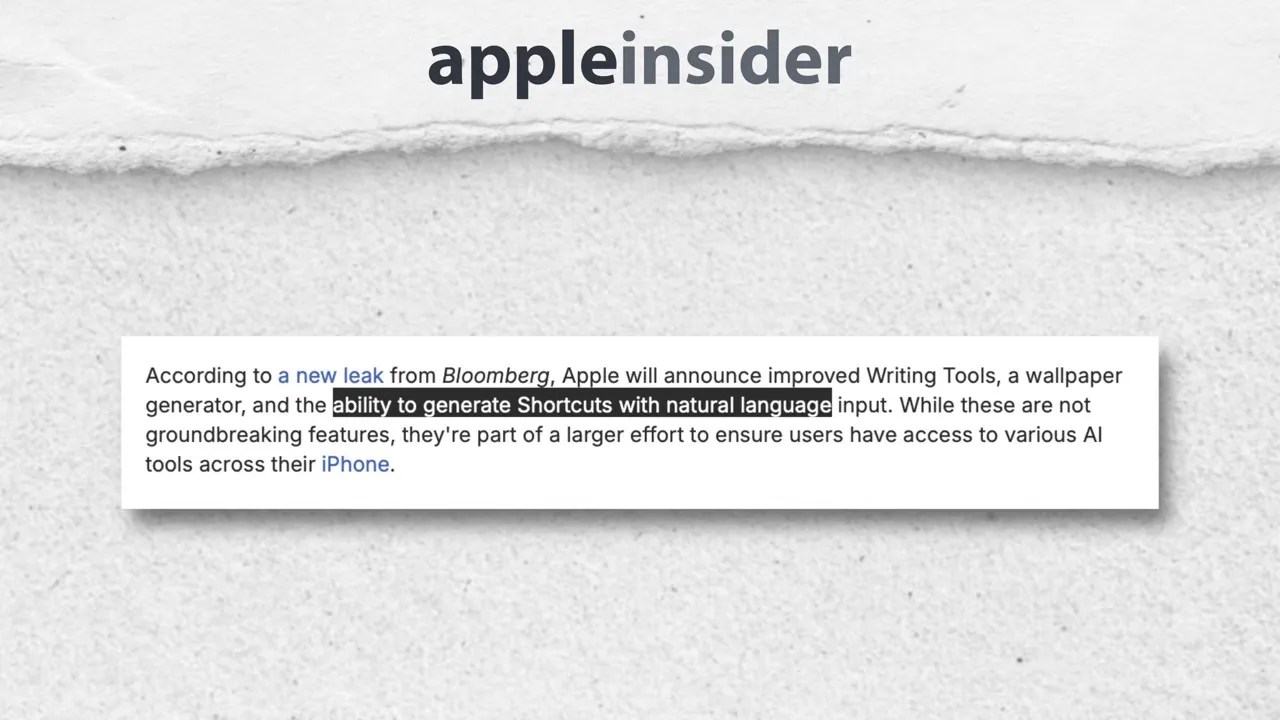
Say goodbye to block coding: Building complex multi-step automations by just typing what you want to happen.
This is where my personal excitement peaks. As a massive smart home nerd, the potential here is enormous. If Apple brings this natural language interface over to the Home app, it will solve the biggest barrier to smart home adoption.
Instead of navigating nested menus, setting conditional triggers, and debugging why your smart plug didn’t fire, you should be able to just say: “Hey Siri, turn my bedroom lights on to 10% every weekday morning when my alarm goes off, but only if it’s raining outside.” If Apple can successfully translate that sentence into a flawless automation, they will win the smart home war overnight.
6. The Verdict: Apple’s Calculated Miscalculation?
Let’s not give Apple a free pass here. They have a lot to prove, and many of these features have existed in some form on Google Pixel and Samsung Galaxy devices for a while now. Apple is undeniably playing catch-up in the generative space.
Their biggest miscalculation over the last few years was underestimating how much consumers would enjoy the novel, conversational aspect of chatbots. They focused so heavily on perfecting their underlying frameworks and local machine learning privacy that they let Siri rot in the public eye.
But here is the twist: the novelty of the basic chatbot is wearing off. People are tired of typing prompts into text boxes. We are ready for the next phase of AI—one that acts as a proactive, highly personalized, and incredibly secure agent that quietly executes tasks in the background.
If iOS 18 delivers on these promises, Apple won’t just catch up; they will leapfrog the competition by doing what they do best: taking a chaotic, noisy, highly technical trend and turning it into something beautifully simple, private, and deeply integrated. They are about to make you care about AI again—even if you don’t even realize you’re using it.