We’ve spent the last two years staring at glowing rectangles, watching chatbots write poetry, debug code, and summarize endless PDFs. It felt like the future—until we realized that the hardest part of reality isn’t syntax; it’s physics. While the rest of the tech industry was busy benchmarking the latest LLM in a desperate bid to shave off a few milliseconds of text generation, Jensen Huang and his team quietly dropped a bombshell. They didn’t just release another model; they laid down the physical operating system of the real world with NVIDIA Cosmos 3.
Let’s be honest: the digital world is easy. If a chatbot hallucinates a word, you hit regenerate. If a self-driving car or a humanoid robot miscalculates friction by a fraction of a percent, you get a wrecked piece of million-dollar hardware—or worse, a safety catastrophe. This is where NVIDIA is shifting its entire weight. They are moving AI from behind the screen and thrusting it directly into our messy, unpredictable, three-dimensional reality.
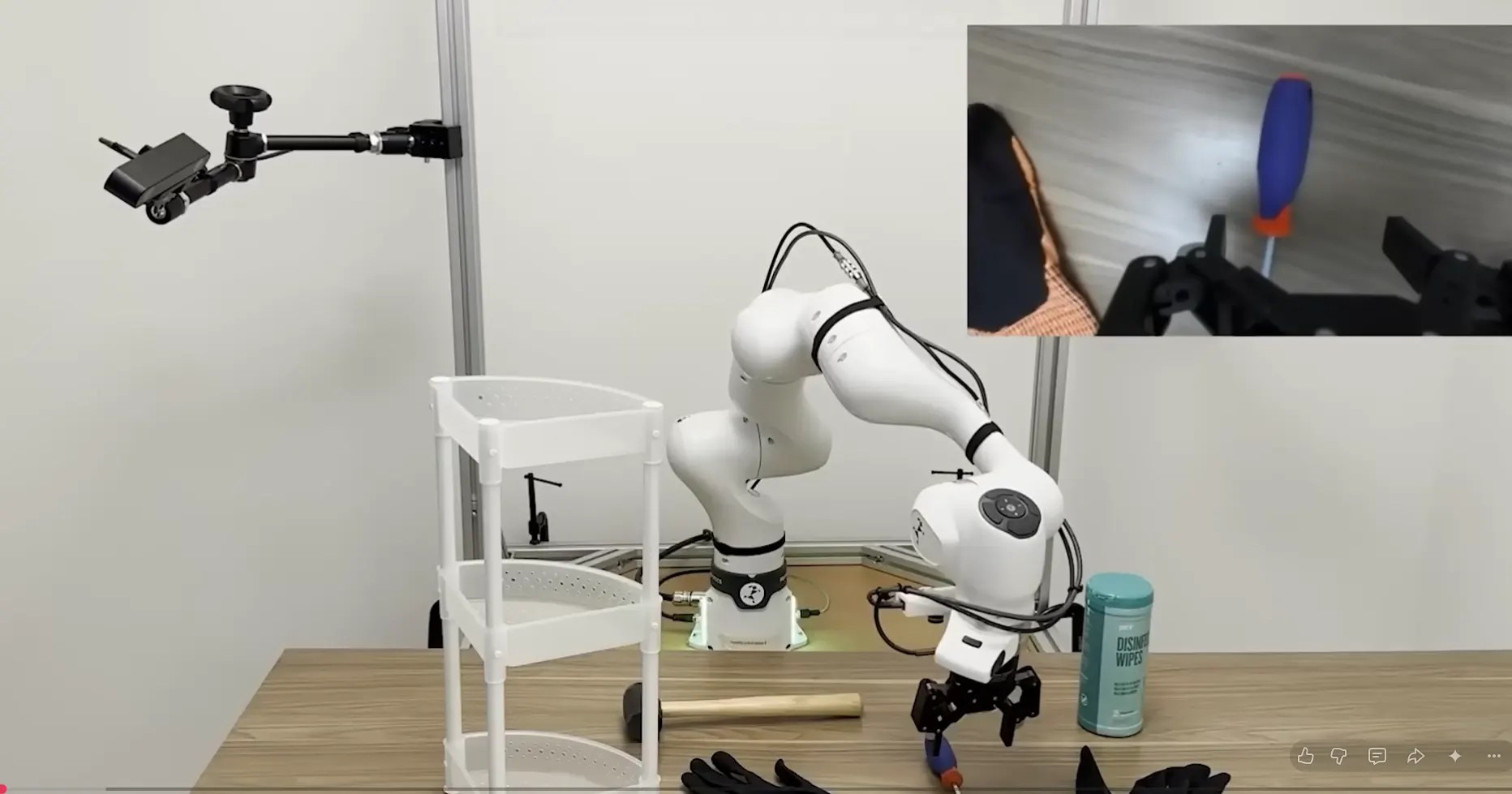
Figure 1: Jensen Huang introducing NVIDIA Cosmos 3 as the foundational operating layer for physical AI systems.
The World is Not a Text File: Understanding Cosmos 3
For years, AI progress has been trapped in a text-based bubble. A chatbot can read half the internet and perfectly describe the trajectory of a falling cup. But ask a robotic arm to actually catch that cup, and the system falls apart. Why? Because the robot doesn’t just need language; it needs an intimate, real-time understanding of space, movement, mass, force, and friction.
This is the exact problem that NVIDIA Cosmos 3 is designed to solve. NVIDIA is calling it an “open-world foundation model for physical AI.” Built on a highly advanced Mixture of Transformers (MoT) architecture, it doesn’t treat vision, reasoning, and action as separate tasks. Instead, it fuses them into a single, unified cognitive engine.
Figure 2: The architecture of Cosmos 3, combining physical scene simulation with direct action prediction.
To understand why this is a fundamental departure from traditional AI, let’s look at how these systems have historically been built compared to how Cosmos 3 operates:
| Capability | Traditional AI Models (LLMs/VLM) | NVIDIA Cosmos 3 (Physical AI) |
|---|---|---|
| Primary Input Data | Static web text, images, and standard video. | Multimodal data: video, ambient audio, 3D spatial maps, and action trajectories. |
| Environmental Understanding | Describes what is happening in a static frame. | Simulates physical consequences and predicts what happens 1 second into the future. |
| Execution Flow | Generates text or labels; requires external code to translate to physical movement. | Directly integrates action prediction with visual reasoning. |
When you interact with Cosmos 3, it doesn’t just label a cup on a table. It understands that if a hand reaches out and pushes that cup, gravity will pull it down, liquid will spill, and the surface will become slippery. It predicts the physical future state of the environment before the robot even initiates the physical movement. This is what we call a “world model”—a digital simulator of reality itself.
The Brutal Cost of Real-World Failures & The 20-Trillion Token Solution
If you are training a software agent to play chess, you can let it play ten million games in a few hours. If it loses, no big deal. But if you try the same trial-and-error approach with a physical, 150-pound humanoid robot in a crowded warehouse, you are looking at a logistical nightmare. You will shatter carbon fiber limbs, burn through millions of dollars, and create massive safety hazards for any human nearby.
Up until now, training robots has been a painfully slow process. Companies have been forced to manually program movements or rely on highly specialized, rigid simulation environments that don’t translate well to the chaotic real world (a phenomenon roboticists call the “sim-to-real gap”).
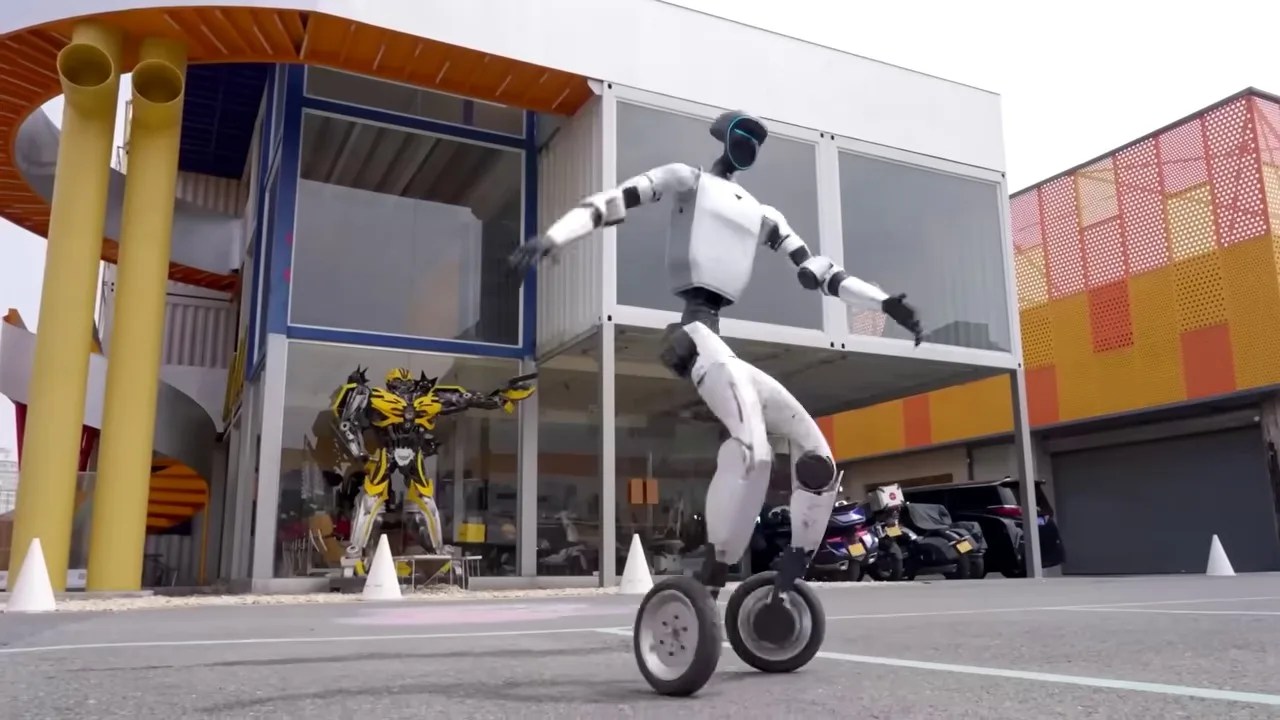
Figure 3: Cosmos 3 simulating complex, high-fidelity physical interactions to train robotic agents safely in virtual space.
This is where the scale of NVIDIA’s training pipeline becomes jaw-dropping. Reports indicate that Cosmos 3 was trained on a staggering 20 trillion tokens of multimodal data. This isn’t just scraped text from Wikipedia. We are talking about high-fidelity synthetic and real-world video, ambient audio, human movement sequences, and direct robotic action trajectories.
By absorbing this massive dataset, Cosmos 3 acts as a bridge across the sim-to-real gap. It allows developers to run millions of training cycles virtually, compressing what used to be months of physical trial-and-error into mere days. The robot learns how to handle a slipping cup, a tipping box, or a sudden loss of traction on a wet floor inside the safety of the model’s simulated reality before it ever takes a physical step.
The Cosmos Coalition: Drawing the Lines in the Platform Wars
NVIDIA knows that owning the best silicon isn’t enough to win the coming robotics epoch; you have to own the software ecosystem. Just as Microsoft dominated the PC era with Windows, and Google captured mobile with Android, NVIDIA is positioning Cosmos 3 as the definitive operating layer for physical AI.
But they aren’t trying to build every robot themselves. Instead, they’ve launched the Cosmos Coalition, uniting some of the most prominent players in AI, physical simulation, and video generation under one banner.

Figure 4: The heavy hitters of the Cosmos Coalition, aligning to establish NVIDIA’s world model as the industry standard.
By partnering with creative pioneers like Runway and Black Forest Labs, alongside robotics innovators like Agile Robots, NVIDIA is drawing a very clear line in the sand. There is a platform war brewing. OpenAI, Google DeepMind, and Tesla are all racing to build their own proprietary models of physical reality. By open-sourcing parts of Cosmos and building a massive coalition, NVIDIA is making a brilliant strategic play: they are ensuring that no matter who builds the physical robot, the brains running inside it—and the servers training it—will belong to Team Green.
Enter Vera: Why Agentic AI Needs a Brand New CPU
Once you have a world model as sophisticated as Cosmos 3, the next logical question is: Where on earth does all this computation run?
For the past few years, the GPU has been the undisputed king of the AI gold rush. If you wanted to train a massive LLM, you threw thousands of H100s or Blackwells at it. But as the industry shifts from simple text generators to fully autonomous Agentic AI, the computational bottleneck is shifting.
An AI agent doesn’t just sit there waiting to output the next word. It plans multi-step tasks, writes and executes code in sandboxed environments, calls APIs, queries databases, checks its own work, and retries when things fail. This kind of sequential logic and heavy coordination is incredibly taxing—not for a GPU, but for a CPU.
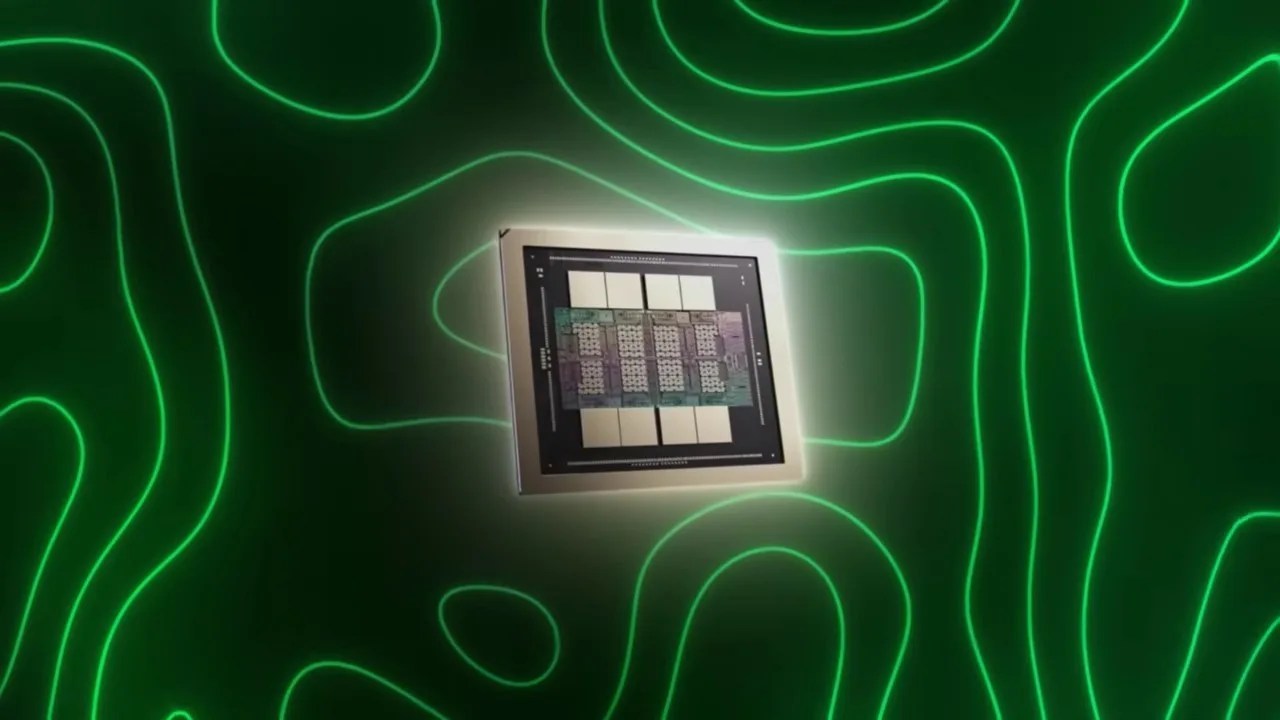
Figure 5: The NVIDIA Vera CPU, engineered from the ground up to handle the unique, highly sequential workloads of Agentic AI.
To address this, NVIDIA introduced Vera, a high-performance, energy-efficient CPU designed specifically for the Agentic era. While traditional x86 processors are great at general-purpose computing, they weren’t built to handle the constant, rapid-fire context switching and data orchestration that AI agents require.
NVIDIA claims that the Vera CPU can execute diverse agent workloads up to 1.8 times faster than traditional x86 processors. In the world of enterprise AI, speed isn’t just a luxury; it’s a direct cost saver. If an agent can compile code, test paths, and process files twice as fast, it means companies can run twice as many autonomous workflows on the same server rack.
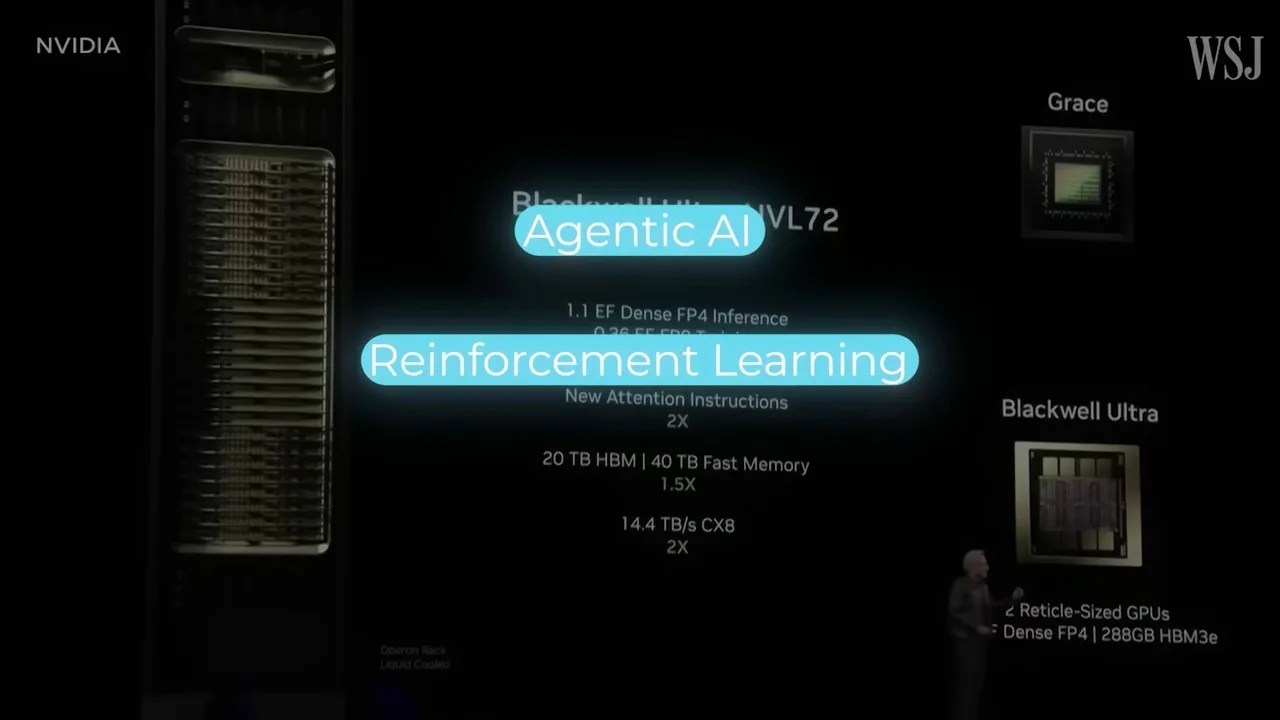
Figure 6: Performance benchmarks showing Vera’s substantial lead over traditional x86 silicon in agentic processing tasks.
The industry’s response has been immediate and telling. Industry giants like OpenAI, Anthropic, and xAI have already lined up to adopt Vera for their next-generation data centers, alongside cloud infrastructure titans like Oracle and CoreWeave. Jensen Huang has hinted that this agentic hardware layer could represent a massive $200 billion market. NVIDIA is making it clear: they aren’t just powering the models; they are redesigning the very architecture of modern data centers to make sure the agents of tomorrow have the silicon they need to think, plan, and execute without lag.
The next battlefield in artificial intelligence isn’t just about whose chatbot can write a better essay or output cleaner code. It’s about who can actually do the work. Anthropic is pushing Claude deep into “computer use” and complex desktop workflows; Google is designing agentic systems around Gemini; and xAI is positioning Grok as a highly integrated coding and product assistant.
When this fundamental pivot toward action takes place, the digital world will need an entirely new computational engine. That is exactly what NVIDIA is securing with the Vera CPU. But what happens when these digital brains need to step out of the servers and into the physical world? To bridge that gap, NVIDIA didn’t just stop at software and silicon—they gave the whole stack a physical body.
Isaac Groot: Giving the Physical AI a Standardized Vessel
Building a humanoid robot from scratch is a capital-intensive nightmare. Every lab and startup in the world has historically been forced to cobble together its own hardware, design custom hands, integrate disparate sensors, and write low-level control code before they could even begin testing their AI models.
To eliminate this bottleneck, NVIDIA announced the Isaac Groot platform—an open humanoid robot reference design created specifically for academic research and industrial development. Think of it as a blueprint and a standardized development kit for the future of robotics. Built around a rugged Unitree H2 humanoid chassis, the robot stands nearly six feet tall, weighs around 150 pounds, and boasts 31 degrees of freedom (DoF) across its body.

Figure 7: The Isaac Groot reference humanoid robot, designed to standardize physical AI research and development.
While walking and balancing are incredibly difficult engineering feats, a robot’s real-world utility ultimately lives and dies by its hands. If a humanoid can’t manipulate tools, open doors, or carry delicate payloads, it’s nothing more than an expensive mobile camera.
To solve this, NVIDIA paired the Isaac Groot chassis with dual Sharpa tactile five-finger hands. These aren’t simple, rigid claws. They add an extra 22 degrees of freedom to the system, bringing the robot’s total to an astonishing 75 degrees of freedom across its entire body.
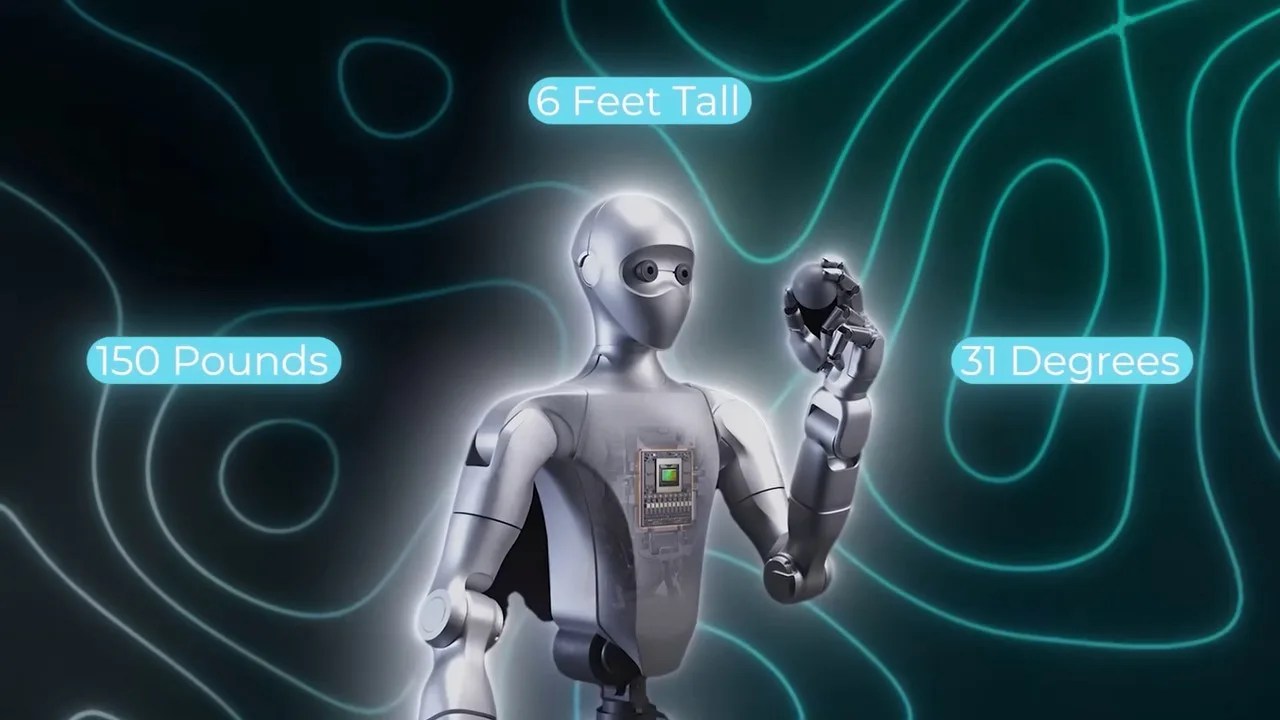
Figure 8: Sơ đồ cấu tạo bàn tay năm ngón cảm giác Sharpa tactile với 22 độ tự do, cho phép thực hiện các thao tác cầm nắm tinh tế.
To feed data into NVIDIA Cosmos 3, the robot is equipped with a comprehensive sensor stack. It features a head-mounted stereo camera with an ultra-wide field of view (140° horizontal and 102° vertical), secondary wrist cameras for hyper-focused, close-range manipulation, and an Inertial Measurement Unit (IMU) for precise motion tracking.
With an arm torque of up to 120 Nm, leg torque reaching 360 Nm, and a peak arm payload of 15 kg, this system is clearly built for rigorous, real-world labor—not just walking around a clean lab floor for a marketing video.
Jetson AGX Thor T5000: The Brain in the Machine
A physical AI platform is only as good as its local processing power. You cannot run a humanoid robot that relies on a high-latency cloud connection; if the connection drops or lags for even a fraction of a second, the robot could fall or fail to react to a sudden hazard.
The local computational powerhouse behind Isaac Groot is the Jetson AGX Thor T5000. Built on NVIDIA’s cutting-edge Blackwell GPU architecture, this onboard computer delivers 270 FP4 Teraflops of AI performance. It features a 14-core ARM CPU and 128 GB of unified memory, all running within a highly efficient, configurable power envelope of 40 to 130 watts.
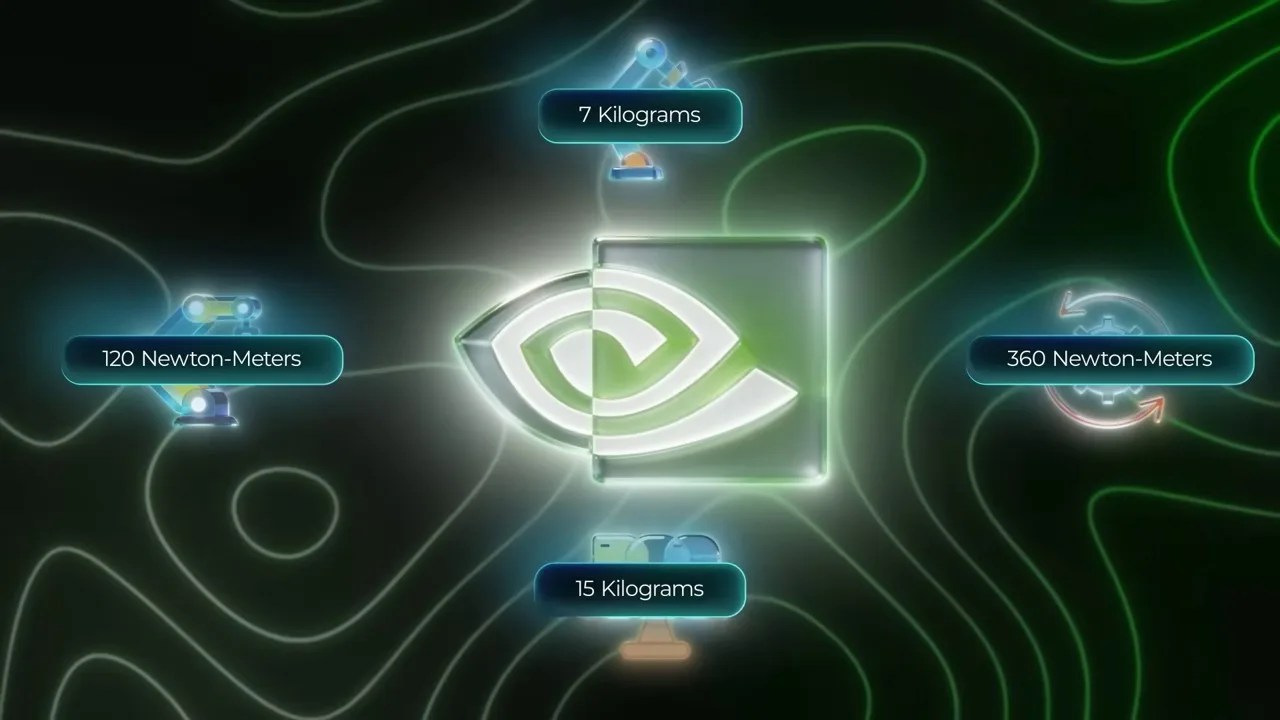
Figure 9: The hardware specifications of the Jetson AGX Thor T5000, the local compute engine powering the robot’s physical brain.
By standardizing this hardware stack, NVIDIA is pulling off the same play they used to dominate the AI software space with CUDA. If leading academic institutions like Stanford, ETH Zurich, and UC San Diego build their research on top of Jetson Thor, Isaac Groot, and Cosmos, NVIDIA becomes the default operating system of physical AI.
There is also a sharp geopolitical undertone here. The reference robot uses a chassis from Unitree, a prominent Chinese robotics company. Amid growing concerns from US lawmakers regarding the use of Chinese-manufactured hardware in federally funded research, NVIDIA is positioning itself as the secure platform layer. By routing all software updates through secure NVIDIA silicon and baking in hardware-level protections like secure boot and confidential computing, they are creating a geopolitical buffer zone, while actively collaborating with alternative robot manufacturers across the US, Europe, and South Korea.
The Dark Horizon: Humanoids on the Frontlines
While NVIDIA is building an open platform for academic research and commercial warehouses, other players are pushing physical AI into far more perilous territory. The transition of humanoid robots from sterile laboratories to chaotic, high-stakes environments is happening much faster than most people realize—and it is taking a decidedly militaristic turn.
A company called Foundation Future Industries has bypassed the warehouse entirely and sent their Phantom Mark1 humanoid robot straight into active war zones in Ukraine.
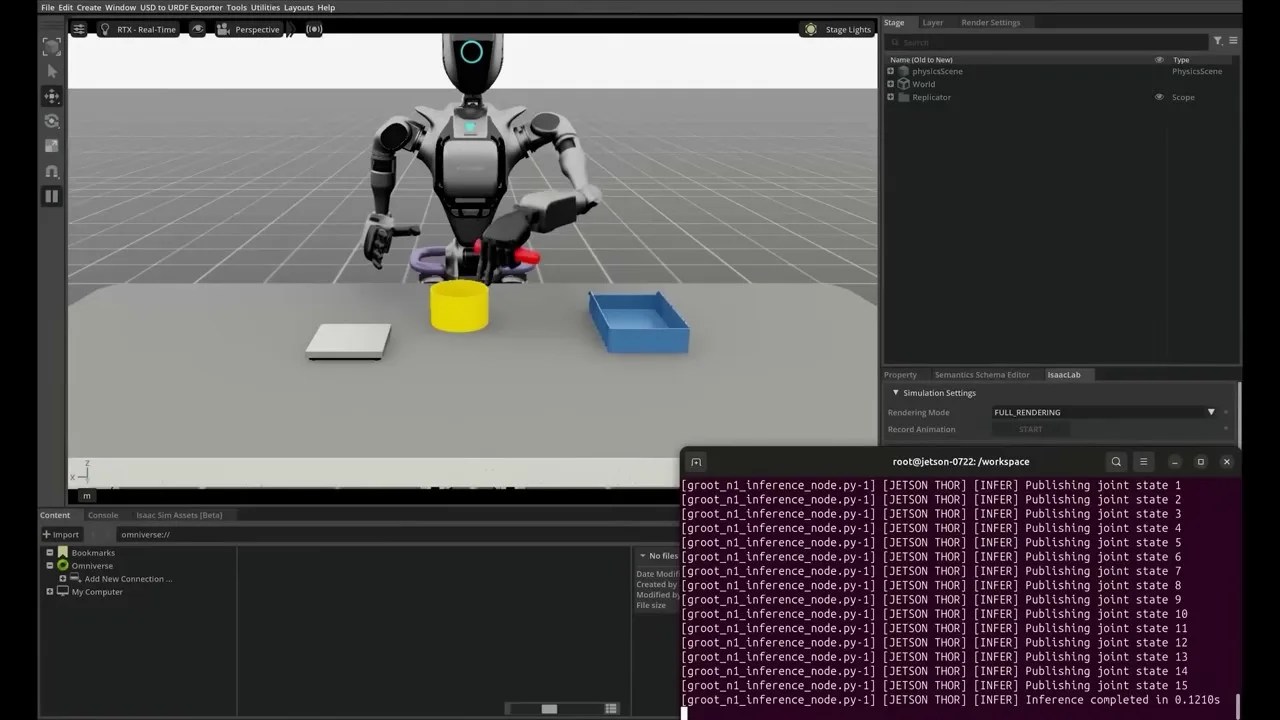
Figure 10: The Phantom Mark1 humanoid robot, designed by Foundation Future Industries, being field-tested for hazardous military logistics.
According to reports, these systems have been deployed for high-risk logistics operations, such as transporting critical supplies and retrieving equipment in active combat zones. The immediate goal is simple and humanitarian: keep human soldiers out of the direct line of fire during hazardous supply runs.
However, the long-term vision is far more aggressive. Foundation’s leadership has openly discussed future combat roles where humanoids could eventually handle standard infantry weapons and operate alongside human forces. Backed by a $24 million Pentagon contract, the company believes that humanoids could be carrying out complex, high-risk military operations within the next five to ten years.
Yet, even the most optimistic engineers admit there is a massive chasm between a controlled logistics demo and the chaotic, unpredictable reality of a firefight. Battery life remains a severe bottleneck. Environmental durability—withstanding mud, water, dust, extreme temperatures, and heavy physical shocks—is still an unsolved problem. Most importantly, the level of hand dexterity required to clear a jammed weapon or operate complex field equipment under extreme pressure is lightyears beyond what current robotic hands can achieve.
The New Reality of Physical AI
We are witnessing the convergence of three massive technological pillars. NVIDIA Cosmos 3 provides the spatial intelligence and physical reasoning; the Vera CPU supplies the high-speed agentic logic; and platforms like Isaac Groot and the Phantom Mark1 provide the physical vessels.
This is no longer a slow, academic evolution. The pieces of the physical AI puzzle are falling into place with astonishing speed. NVIDIA is successfully positioning itself as the tollkeeper of this new era, ensuring that whether a robot is packing boxes in a warehouse, assisting a surgeon in a hospital, or running logistics on a battlefield, it will be thinking, seeing, and moving on NVIDIA silicon.
Frequently Asked Questions (FAQ)
What makes NVIDIA Cosmos 3 different from standard vision-language models?
Unlike standard models that merely describe what is in an image or video, Cosmos 3 acts as a “world model.” It understands physical laws, forces, and cause-and-effect relationships. This allows it to simulate physical environments and predict what will happen next in a physical space, making it a critical foundation for training autonomous robots.
Why is the Vera CPU important if GPUs are already so powerful?
While GPUs excel at processing massive parallel AI training workloads, AI agents require heavy sequential logic, constant API calling, tool execution, and code testing. The Vera CPU is custom-built to handle these complex, coordinated agentic workloads up to 1.8 times faster than traditional x86 processors, reducing latency and operational costs in data centers.
Are humanoid robots actually being used in combat today?
No, they are not currently used in direct combat roles. However, platforms like the Phantom Mark1 are actively being field-tested in conflict zones like Ukraine for hazardous logistics, such as transporting supplies near active danger areas to keep human soldiers safe. Fully operational combat humanoids are estimated to be 5 to 10 years away.